



/ Overview
Our Market Research Approach in Saudi Arabia
Our market research approach in Saudi Arabia combines secondary research, primary fieldwork, market sizing, and data validation to support informed business and investment decisions. We follow a structured five-step process, from defining the research objectives and gathering market evidence to developing practical recommendations.
Each stage is designed to test assumptions, identify information gaps, and assess findings against reliable sources and local market perspectives. This allows organisations to understand not only the size and dynamics of a market, but also the opportunities, risks, and commercial considerations behind their decisions.
/ Our Method
Our Market Research Methodology in 5 Steps
Our methodology follows five connected stages, with the research methods and level of analysis adapted to each project’s objectives, sector, and scope.
-
Define the business decision
We identify the business decision the research needs to support, whether market entry, investment, expansion, pricing, or partnership development, and translate it into clear research questions.
Output: Research scope, objectives, and research plan.
-
Desk research
We analyse official Saudi statistics, government publications, regulatory information, industry reports, and company data to establish an initial market understanding and identify information gaps.
Output: Preliminary market assessment and research gaps.
-
Primary research & fieldwork
We gather first-hand market insights through interviews with relevant stakeholders, including customers, distributors, industry experts, and business decision-makers. Surveys and field visits are conducted where appropriate.
Output: Primary research findings and market insights.
-
Market sizing & triangulation
Where market sizing is required, we develop top-down and bottom-up estimates, cross-check assumptions against available evidence, and assess differences to establish a defensible market size range.
Output: Market sizing model, validated assumptions, and supporting analysis.
-
Recommendations & decision support
We consolidate the findings into actionable recommendations, highlighting commercial opportunities, potential risks, and strategic options to support informed decision-making.
Output: Research report, strategic recommendations, and decision-support materials.
/ Data Sources
Which Data Sources Do We Use in Saudi Arabia?
Market research in Saudi Arabia draws on official government statistics, regulatory publications, industry reports, company information, and primary research. We select sources according to the sector and research objectives, then cross-check key findings to assess their reliability and identify gaps that require further investigation.
| Source type | Examples | Research application |
|---|---|---|
| Official statistics | General Authority for Statistics (GASTAT), Saudi Central Bank (SAMA) | Population, economic indicators, trade, and sector-level data |
| Ministries & regulators | Ministry of Investment (MISA), Ministry of Industry and Mineral Resources, sector-specific regulators | Investment policies, licensing requirements, and sector developments |
| Chambers & industry bodies | Federation of Saudi Chambers, regional chambers of commerce, industry associations | Industry networks, market participants, and potential partners |
| Industry & company data | Company reports, financial disclosures, industry publications, and commercial databases | Competitive landscape, market performance, and industry benchmarks |
| Primary research | Stakeholder interviews, surveys, site visits, and market observations | Customer needs, purchasing behaviour, pricing, and validation of secondary findings |
/ Fieldwork
How We Run Primary Research and Fieldwork in Saudi Arabia
Primary research in Saudi Arabia requires an understanding of local business practices, stakeholder structures, and regional market differences. We conduct interviews, surveys, and on-the-ground research in Arabic and English, adapting the research approach to the target audience, sector, and study objectives.
Depending on project requirements, fieldwork may cover Riyadh, Jeddah, Dammam, Al Khobar, and other locations across the Kingdom, including secondary cities and major development areas. Research participants may include private-sector executives, procurement teams, distributors, industry specialists, public-sector stakeholders, and consumers.

Methods
In-depth interviews, quantitative surveys, site visits, retail and distribution audits, and mystery shopping, selected according to research objectives.
Languages
Research is conducted in Arabic and English, with additional language support arranged when required by the target respondent group.
Scheduling
Interview and fieldwork schedules account for respondent availability, local business hours, weekends, Ramadan, and other relevant cultural or operational considerations.
Respondent recruitment
Participants are identified through targeted industry mapping, professional networks, sector associations, and other relevant recruitment channels, based on the research scope and respondent criteria.
/ Market Sizing
How We Size and Validate a Market in Saudi Arabia
We combine official Saudi statistics, customer demand, pricing data, and industry interviews to estimate market size. Top-down and bottom-up estimates are cross-checked to establish a defensible market size range.
Top-down
Start with official Saudi statistics, industry data, and trade figures, then narrow the estimate by sector, geography, customer segment, and relevant market share assumptions.
Triangulation
Compare both estimates, investigate differences through industry interviews and additional data checks, and establish a validated market size range.
Bottom-up
Estimate demand using the number of potential customers, average consumption or purchase volumes, and market prices, supported by primary research.
Market Sizing: Commercial Kitchen Equipment in Saudi Arabia
Business question
What is the estimated annual market value of commercial kitchen equipment purchased by restaurants and hospitality operators in Saudi Arabia?
Top-down estimate
SAR 1.2bn
Sector expenditure and equipment allocation assumptions
Bottom-up estimate
SAR 1.05bn
Customer counts × annual equipment spending
Triangulation
The difference is assessed against equipment replacement cycles, purchasing patterns, and supplier interviews to reconcile market scope and assumptions.
Estimated market range
SAR 1.1–1.2bn
Decision implication: Evaluate addressable customer segments and distribution opportunities against the estimated market potential.
/ By Decision
How the Method Changes by Business Decision
Different business decisions require different research approaches. We tailor the combination of market analysis, primary research, financial modelling, and validation methods to address each project’s specific objectives.
| Your decision | Method mix | Deliverable | Service page |
|---|---|---|---|
| Is there enough demand? | Desk research + buyer interviews + market sizing | Market assessment | Market Research → |
| Should we enter, and how? | Market sizing + competitor and regulatory review + partner interviews | Entry options and roadmap | Market Entry Strategy → |
| Is the project viable? | Demand and cost modelling + site and supplier checks | Feasibility report | Feasibility Study → |
| How do we plan for several scenarios? | Scenario modelling + expert interviews | Scenario-based plan | Strategic Planning → |
| Is this acquisition worth it? | Commercial due diligence + customer and competitor interviews | Due diligence report | Mergers and Acquisitions → |
| Where do costs hit our margins? | Cost mapping + supplier interviews | Value chain map and priorities | Value Chain Analysis → |
| Who is gaining ground? | Desk research in Arabic and English + distributor and customer interviews + mystery shopping | Benchmark | Competitive Benchmarking → |
| Which partner or distributor? | Longlist from associations and databases + structured interviews + site visits | Partner shortlist | Distribution & Strategic Partnership → |
| How do B2B buyers decide? | In-depth interviews with decision-makers | Buyer profiles and selection criteria | B2B Consumer Analysis → |
| What do customers think at scale? | Quantitative survey in Arabic and English | Survey report | Market Survey → |
| What is changing in our market? | Ongoing monitoring + expert interviews | Intelligence updates | Market Intelligence → |
How the Method Changes by Sector
Research requirements differ across Saudi Arabia’s industries. We adapt our data sources, analytical methods, and validation approaches to reflect each sector’s market dynamics, regulatory environment, and commercial priorities.
Construction
Project pipeline assessment, construction demand forecasting, material cost benchmarking, and contractor and supplier interviews.

Healthcare
Healthcare demand and capacity analysis, regulatory mapping, competitor benchmarking, and assessment of service gaps.

Energy
Energy demand forecasting, investment pipeline analysis, value chain assessment, and regulatory and market evaluations.

Supply Chain & Logistics
Freight demand analysis, distribution network assessment, warehousing capacity evaluation, and logistics cost benchmarking.
Transport & Mobility
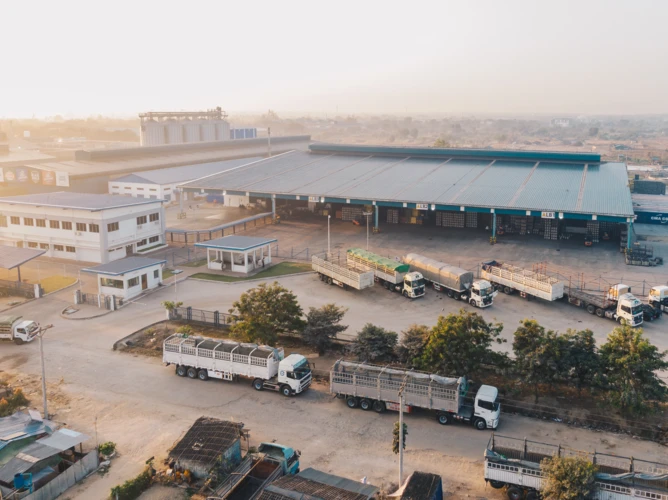
Passenger and freight demand modelling, infrastructure pipeline assessment, mobility trends, and transport operator benchmarking.
Mining
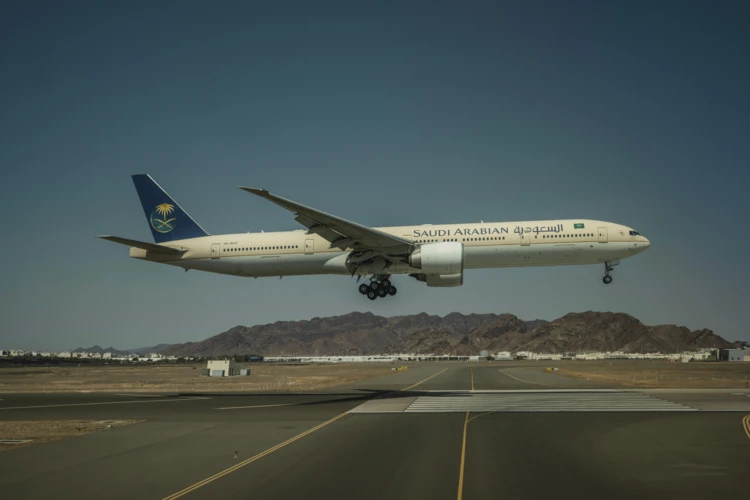
Mineral demand analysis, mining project pipeline assessment, downstream market opportunities, and investment feasibility evaluation.

Lubricants
Lubricant demand assessment, distributor and workshop interviews, pricing analysis, and distribution channel benchmarking.

/ Timelines
How Long Does Market Research in Saudi Arabia Take?
Market research projects in Saudi Arabia typically take 6–12 weeks, depending on the scope, sector, data availability, and fieldwork requirements. Focused desk-based assessments may be completed sooner, while large-scale surveys or complex feasibility studies can require additional time.
Projects generally involve regular progress reviews, with preliminary findings shared as the research develops. Teams are assembled according to project requirements, combining project management, research analysts, sector expertise, and fieldwork support where needed.
| Project type | Typical duration | Typical team |
|---|---|---|
| Desk-led market assessment | 3–5 weeks | Project manager + research analysts |
| Interview-based market study | 6–8 weeks | Project manager + analysts + sector specialists |
| Large-scale survey / fieldwork | 8–12 weeks | Research team + fieldwork coordinators |
| Feasibility study | 8–14 weeks | Project manager + sector and financial specialists |
/ Method in Practice
How the Method Worked on Real Projects
Innovation in Oil and Gas Exploration and Production in Saudi Arabia: Enhancing Efficiency and Expanding Upstream Capacity
Issues
Many of the client’s oil fields were mature, and finding new reserves was difficult. Traditional exploration methods were slow and could miss complex reservoirs. The company wasn’t leveraging modern techniques like AI-driven seismic analysis and digital reservoir modeling. Additionally, recovery was suboptimal as advanced Enhanced Oil Recovery (EOR) methods were not widely used. The client needed to deploy cutting-edge exploration and production techniques to sustain output.
Approach
We tackled the problem in phases, starting with data and diagnostics. Our exploration consultants reviewed the client’s existing seismic and well dantegrated regional geological studies and satellite data. We then brought in a data science team to develop and train the AI models – for example, feeding historical data of known discoveries vs. dry wells into a model to discern subtle seismic signatures that correlate with successful finds. In parallel, our reservoir engineers assessed the current recovery factors in the client’s main fields and identified which fields had the most potential for EOR (considering factors like oil viscosity, reservoir deity of injection gas, etc.). We then ran simulation studies to estimate how much additional oil each EOR method could yield and at what cost, helping to prioritize the EOR projects. For the digital enablement, we conducted a pilot in one medium-sized oilfield: installing downhole sensors and surface data transmission equipment on a handful of wells, and deploying a software platform for real-time monitoring and control. Over a few months, we observed how this pilot improved reaction time to changes (e.g., quickly adjusting pump rates when water cut increased). We used lessons from the pilot to refine the implementation plan for wider rollout. Throughout the project, close collaboration with the client’s geoscientists and engineers was maintained – we held joint interpretation sessions, field visits, and scenario planning workshops. This not only ensured our recommendations were practical but also helped train the client’s staff in the new tools and methods.
Recommendations
Our recommendations were comprehensive. For exploration: we recommended the client invest in reprocessing existing seismic data with the latest algorithms to glean new insights from old data, and acquire new seismic surveys (including 3D and even 4D time-lapse seismic) in underexplored areas. We advised integrating AI-based prospect analysis into the exploration workflow to augment the geoscientists’ interpretations and flag prospects that might have been overlooked by human analysis. Furthermore, we suggested a focused exploration campaign for unconventional resources (like shale gas/oil), including hiring or contractinin that domain. For production: we recommended scaling up Enhanced Oil Recovery methods on fields where simulations showed substantial gains – for example, implement a full-scale CO₂ injection project in Field A which could raise recovery by say 10–15%, and a water-polymer flood in Field B. We also advocated for rolling out the “smart field” infrastructure across all major fields over the next few years – equipping wells with sensors and automation, and establishing a central operations center where engineers can monitor multiple fields in real time. Thaining personnel to manage this high-tech setup. Additionally, we recommended optimizing the well portfolio: for instance, performing workovers on certain wells to install intelligent completions (valves that can be remotely controlled) and selectively drilling new infill wells in areas indicated by updated reservoir models. A periodic reservoir management review process was suggested, where every field is reviewed annually with fresh data and simulations to decide on actions (like adjusting injection patterns or drilling a new well). Finally, we emphasized knowledge management – capturing learnings from each pilot and project so that successes can be replicated across the organization.
Engagement ROI
The client started seeing positive results in both exploration and production domains. With the help of AI and advanced seismic re-analysis, the exploration team discovered a new viable oil structure in a region that was previously p find that added significantly to the company’s reserves, something that hadn’t happened in years. The use of data-driven prospecting improved the overall success rate of exploration wells, saving money on unnecessary drilling. On the production side, initial EOR pilots showed strong results: the CO₂ injection in one mature field measurably increased oil output and slowed the decline rate, validating the decision to scale up EOR. Once the digital oilfield technologies were implemented more broadly, the company experienced a reduction in production downtime and a small but meaningful uptick in overall production efficiency. For example, by monitoring wells continuously and optimizing pump settings, some fields saw a few percent increase in daily output without any new drilling – essentially “free” barrels that were previously lost to suboptimal operation. Importantly, the combination of better data and smart automation led to an increased recovery factor outlook for several fields, extending their productive life and future cash flows. The company’s unit cost of production improved as well, since they were extracting more oil with the same or lower effort. Moreover, by adopting these advanced practices, the client positioned itself among the technologically advanced operators, which will pay dividends in the long run as the industry moves toward more digital and efficient operations. The ROI from this engagement is not only measured in immediate barrels and cost savings, but also in the strengthened capability of the client’s team, who are now proficient in cutting-edge exploration and production techniques.
Healthcare
Advancing Healthcare Education and Training in Saudi Arabia: Building a Skilled Medical Workforce
Issues
232,000 expatriates (including ~60% of doctors and 57% of nurses) staffed the healthcare sector. Vision 2030 aimed to train 175,000 new Saudi health professionals. Yet domestic training programs were not producing enough graduates; curricula were outdated and lacked hands-on training. This led to a shortage of local medical staff and continued reliance on foreign workers. The client needed to rapidly expand and modernize training to build a self-sufficient workforce.
Approach
In formulating the plan, we conducted a comprehensive workforce gap analysis, projecting the supply and demand of doctors, nurses, and allied health professionals through 2030. We audited existing educational institutions – evaluating class sizes, graduation rates, curriculum content, and facilities – to identify capacity and quality gaps. We also surveyed students, educators, and hospital administrators to gather input on current challenges (for example, limited clinical rotation slots or outdated coursework). With this data, our team collaborated with officials from the Ministry of Education and Health to ensure alignment with national initiatives like the Health Sector Transformation Program. We engaged international experts in medical education to help design new curricula and simulation training modules customized for Saudi needs. A financial and operational plan was created for each recommendation (e.g. costing out a new nursing college and identifying faculty requirements). We also established key milestones and KPIs (such as number of graduates, exam pass rates, localization ratio of staff) to monitor progress. Throughout the approach, change management was key – we built consensus among stakeholders (universities, hospitals, regulators) through roundtable discussions and incorporated their feedback to refine the strategy.
Recommendations
Our recommendations were multi-faceted. To increase capacity, we advised opening two new medical colleges and four new nursing schools within five years, particularly in underserved regions, and incentivizing student enrollment with scholarships and stipends. We recommended overhauling curricula to be more competency-based and practice-oriented – for instance, increasing clinical rotation time, integrating modern topics like AI in healthcare, and teaching in team-based settings. We also urged the creation of a National Simulation Training Center to serve students from multiple institutions with high-fidelity simulation experiences. For existing healthcare workers, we suggested mandating a minimum number of CPD hours yearly and providing a unified online platform for courses. To boost faculty quality, we proposed a faculty scholarship program to send top Saudi faculty abroad for training, and recruiting distinguished international faculty on short-term contracts to mentor local educators. Additionally, we recommended expanding the Saudization efforts in the health sector – for example, setting gradual targets to reduce the expatriate ratio in certain specialties as local graduates become available – to ensure that training efforts translate into employment.
Engagement ROI
The implementation of our recommendations is starting to yield results. Enrollment in medical and nursing programs has surged, aided by government scholarships that we helped design, and new training institutions are in development. Within two academic years, the number of graduating nurses and physicians has begun to increase, helping narrow the workforce gap. The first phase of the Medical Simulation Center is now operational, providing hundreds of students and clinicians with realistic, hands-on training scenarios that significantly improve their clinical preparedness. Updated curricula are being rolled out nationwide – early feedback indicates that graduates are more skilled and job-ready, needing less ramp-up time when they start working. The institute’s faculty development initiatives have led to improved teaching techniques and the introduction of modern pedagogies (like problem-based learning). Hospitals are already reporting a slight decrease in reliance on expatriate hires as more qualified Saudi healthcare professionals enter the system. In time, these trends will help the country approach its Vision 2030 goal of a self-reliant healthcare workforce. By investing in human capital, Saudi Arabia is building a sustainable healthcare system staffed by well-trained nationals, and the client has become a central driver of this transformation.
Healthcare
Saudi Arabia’s Pharmaceutical Industry: Localization, Innovation, and Market Growth
Issues
The local market was large (spending ~SAR 40 billion in 2023) but ~70% of medicines were imported, a strategic vulnerability. The government prioritized local manufacturing to boost domestic supply. The client, a generic drug producer, had limited production capacity and technology. It faced strict regulations and strong foreign competitors. The challenge was to scale up production, diversify its products, and meet high quality standards to leverage market growth and government support for localization.
Approach
Our approach began with a market analysis to pinpoint high-demand drug segments that were largely imported. We evaluated the client’s existing facilities and production lines, benchmarking their efficiency and output against industry standards to identify bottlenecks. Workshops with the client’s management and technical teams helped assess internal strengths and weaknesses. We then engaged with potential global partners – we facilitated discussions with several multinational pharmaceutical firms (without naming them) interested in local manufacturing, presenting a win-win collaboration model. In parallel, our regulatory experts mapped the pathway for new product approvals and identified compliance gaps in the client’s processes, guiding upgrades in quality control (GMP practices, documentation, etc.). The financial team developed an investment plan, including capital expenditure for the new facility and projected returns from substituting imports and capturing new market share. We phased the strategy: immediate steps to optimize current operations and increase output of existing products, followed by medium-term actions (building the new plant, launching joint-venture products) and long-term initiatives (establishing in-house R&D for generics and biosimilars).
Recommendations
We delivered a set of clear recommendations. First, expand production capacity immediately by investing in new production equipment and adding shifts to maximize output from current facilities, capturing unmet local demand. Second, diversify the product portfolio by securing licenses or technology to produce high-demand drugs domestically – for instance, cardiovascular and diabetes medications – to reduce dependence on imports. For more complex or patented drugs, we recommended pursuing joint ventures with global pharma leaders, facilitating local manufacturing through tech transfer and shared investment (an approach supported by government policy). We also emphasized building in-house capabilities: investing in an R&D unit to develop generic formulations and a robust quality assurance program to meet SFDA and international standards. To support these moves, we advised the client to fully utilize government support, such as fast-track regulatory approval for local manufacturers and favorable procurement from the national supplier (NUPCO) for locally made drugs. Finally, we recommended workforce development initiatives, like specialized training for lab and production staff, to ensure the company can sustain high-quality output as it grows.
Engagement ROI
The strategic engagement put the company on a high-growth trajectory. By following our roadmap, the client has entered a partnership with a reputable international pharmaceutical firm, which is transferring technology for the local production of several important medications. This enabled the launch of new product lines, capturing a larger share of the domestic market. Within a year, the company’s output and sales grew substantially, contributing to an increase in the locally produced portion of Saudi Arabia’s medicine supply (closing the gap on the 70% import reliance). The client also improved its regulatory standing – it implemented stricter quality controls and successfully obtained SFDA approvals for new drugs in shorter time frames, thanks to priority review for local manufacturing. Financially, the company is seeing cost savings by substituting imported drugs with its own products and enjoying revenue growth from newly added therapies. Intangibly, the company’s reputation has risen: it is now recognized as a key player in advancing Saudi Arabia’s pharmaceutical self-sufficiency initiative. This strengthened position is attracting further investments and partnerships, setting the stage for sustained long-term success.
Want to know who we are? About Saudi Market Research Consulting →
Frequently Asked Questions
-
We combine top-down and bottom-up approaches using official Saudi statistics, industry data, customer demand, and primary research. Both estimates are cross-checked to establish a defensible market size range supported by validated assumptions.
-
We use official statistics from GASTAT and SAMA, government and regulatory publications, industry reports, company information, and primary research. Sources are selected based on the sector, research objectives, and data availability.
-
We assess competitors through market analysis, industry interviews, pricing comparisons, and distribution channel reviews. Depending on the sector, benchmarking covers market positioning, product offerings, customer segments, and commercial performance.
-
We conduct interviews with business decision-makers and analyse purchasing criteria, procurement processes, budgets, and supplier preferences. Findings help identify priority customer segments, purchasing behaviour, and commercial opportunities.
-
We conduct interviews in both Arabic and English, depending on respondents' preferences and research requirements. Additional language support may be arranged when needed for specific target audiences.
-
Yes. Depending on project requirements, our fieldwork can extend to Dammam, Al Khobar, and other locations across Saudi Arabia, including secondary cities and major development areas.
-
Most market research projects take approximately 6–12 weeks, depending on scope, sector, data availability, and fieldwork requirements. Focused desk-based studies may take 3–5 weeks, while complex feasibility assessments can require additional time.
-
Where required, we may work with specialised fieldwork partners to support respondent recruitment, surveys, and local data collection. Research design, quality control, analysis, and final recommendations remain under our project team's oversight.
/ Contact Us
Let’s Discuss Your Research Question in Saudi Arabia