Customs clearance in Saudi Arabia is no longer just a logistics step. It is a conformity step that starts before the vessel arrives. SASO is the authority that sets and enforces technical regulations in the Kingdom, while SABER is the mandatory online platform used to register products, upload technical files, and obtain the certificates needed for clearance. SABER has been mandatory for all imported goods entering Saudi Arabia since July 2018, and it is designed to connect importers, SASO-approved conformity assessment bodies, and Saudi Customs in one system. SASO also reports that standard-conforming products in the Saudi market have climbed to over 82%, up from 58% a decade ago, showing how central conformity enforcement has become.
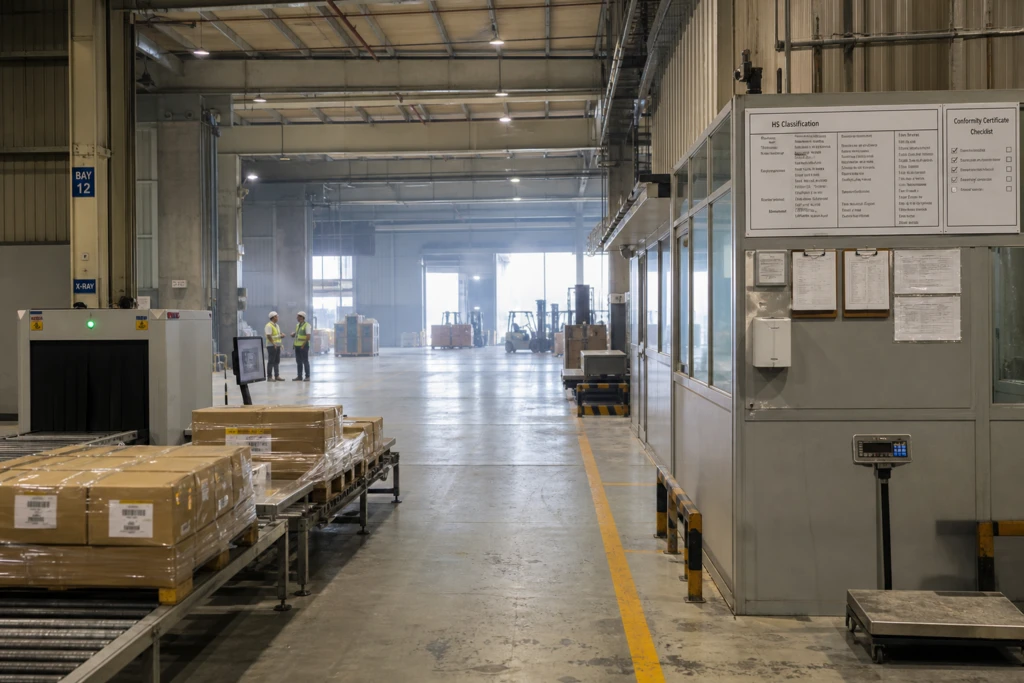
For importers and distributors, the operational impact shows up in how certificates are structured and checked at the border. SABER is the platform, but the Product Certificate of Conformity (PCoC) is the product-level certificate issued through it, and the Shipment Certificate of Conformity (SCoC) is issued per consignment. One shipment means one SCoC. This matters because customs clearance can be blocked when certificate information does not match the product name, specifications, model, brand, or HS code shown on commercial documents such as the invoice, packing list, bill of lading, or customs declaration. In practice, teams need a tight chain of consistency from the initial PCoC submission through to shipment documentation, with careful review before the vessel arrives at port.
What Changes in 2026 Means: HS Codes, Labels, and Proof
A major 2026 shift is classification discipline inside SABER. SASO notified that Saudi Arabia will update Customs Tariff Codes in the SABER platform as of January 1, 2026, aligning with the latest Customs Tariff Code list published by ZATCA. Existing valid PCoCs and SCoCs issued under the current tariff codes remain valid until their expiry date, but when they are presented after January 1, 2026, Saudi Customs will assign the new tariff codes during clearance. For importers, this creates a practical risk: product classification and document references must be managed carefully so the updated code logic does not create inconsistencies across certificates and shipping paperwork.
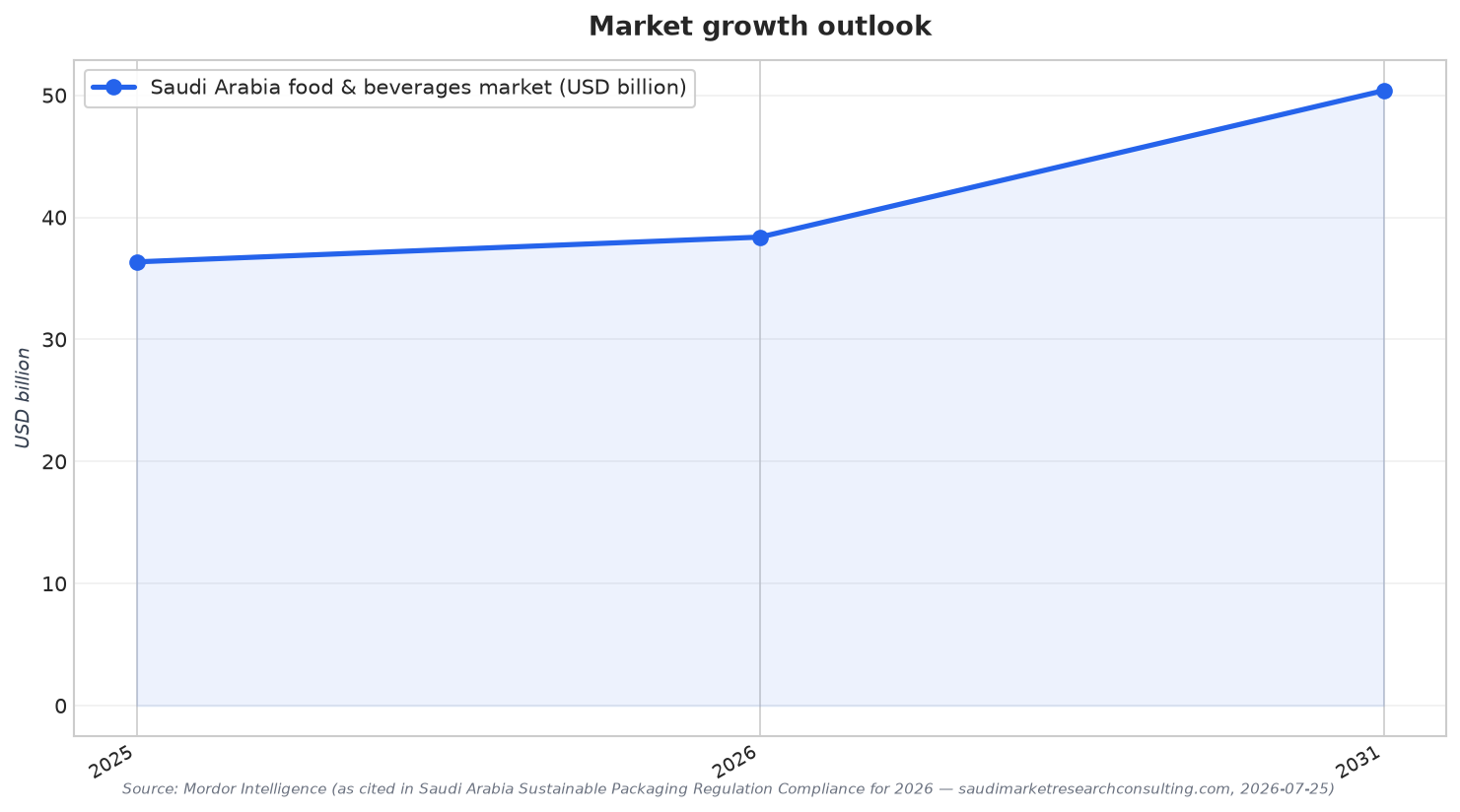
Compliance pressure is also expanding through packaging and labeling expectations that sit alongside conformity assessment. Trade.gov states that all imported and locally produced prepackaged food products must meet labeling requirements indicated in GSO 9:2022, and labels should be in Arabic or include an Arabic translation. The same source adds that plastic food containers must be labeled with the type of plastic material used and include details such as weight or capacity, a statement of food grade, purpose, directions for use, and applicable warning statements. This interacts with the broader flow of packaged goods. Mordor Intelligence values the Saudi Arabia food and beverages market at USD 36.35 billion in 2025, estimates USD 38.38 billion in 2026, and USD 50.38 billion by 2031, with a 5.59% CAGR for 2026–2031, which can magnify the cost of non-compliance as volumes rise.
To manage clearing customs in 2026, distributors should treat SABER as an operational system, not a one-time formality. The process typically includes platform registration by the Saudi-based importer, product classification by Saudi Customs’ 12-digit HS code, selecting a SASO-approved conformity assessment body, testing and document review, and then certificate issuance, followed by a fresh SCoC application for each shipment. For regulated products, SABER certification is described as a mandatory precondition for customs clearance, and clearance cannot proceed without the relevant certificates. A disciplined workflow that aligns HS codes, product descriptions, and shipment data across every document is what keeps goods moving under the tighter 2026 conformity environment.
What is the difference between SASO and SABER for import clearance?
Why do importers need both a PCoC and an SCoC?
How do the 2026 tariff code updates affect certificates in SABER?
What labeling points can trigger compliance issues for packaged food and plastic containers?
How should companies approach Saudi Arabia’s SABER import conformity in 2026 to avoid clearance blocks?