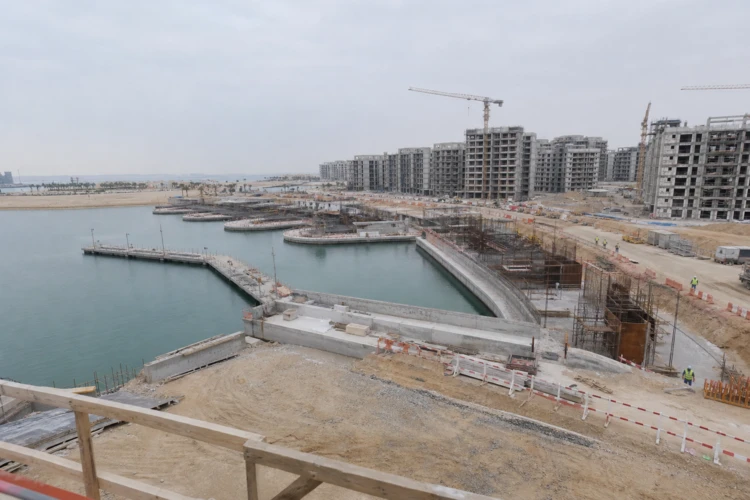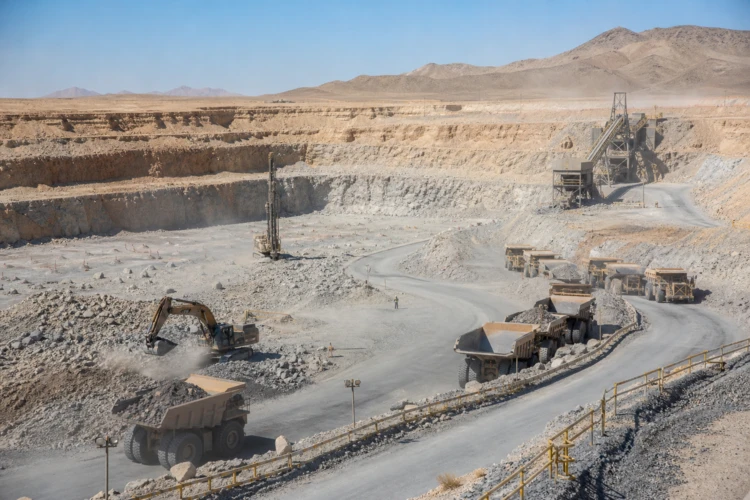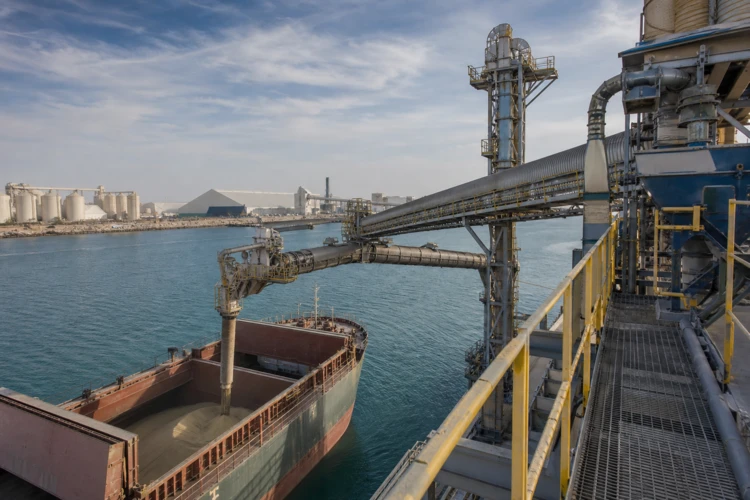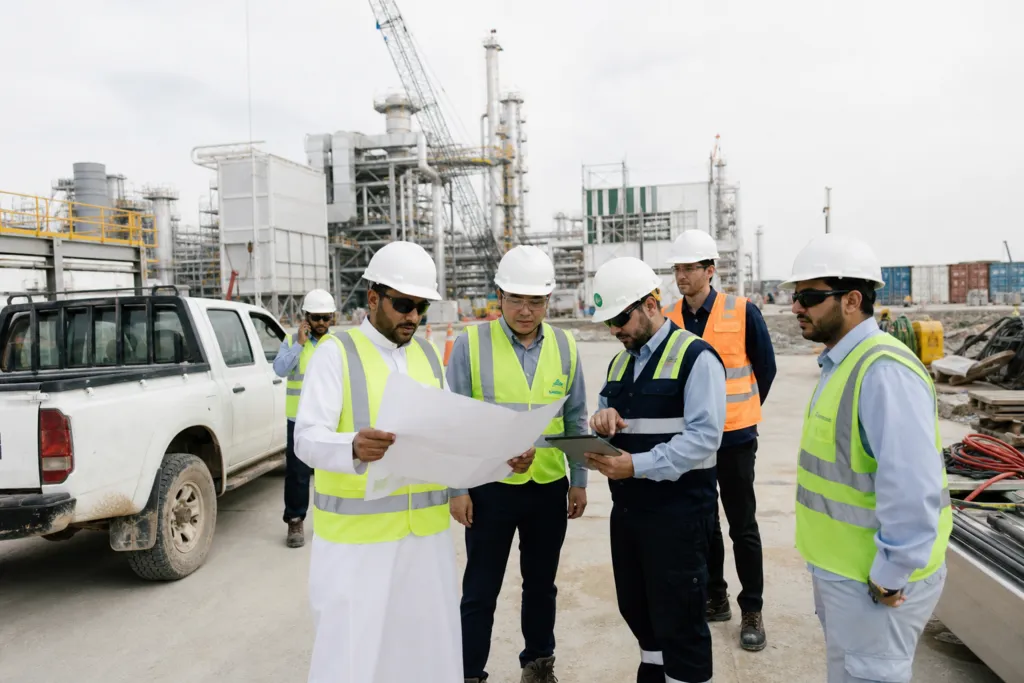
Saudi Arabia’s flagship green hydrogen milestone is rising in the desert at Oxagon, Neom’s industrial port complex on the Red Sea. The NEOM Green Hydrogen Company (NGHC) project is described as the world’s largest green hydrogen plant, designed to link renewable energy production with global logistics and industrial operations. Newsweek reports the facility spans over 300 square kilometers, with wind and solar sites, the transmission grid completed, and key equipment installed. The goal is to begin producing green hydrogen as a carbon-free alternative to fossil fuels, positioning the Saudi green hydrogen market as a serious contender in clean fuel exports.
Project timing and execution have become part of the story. Satellite imagery cited by Newsweek shows the complex expanded since construction formally began in early 2023. NGHC said the project remains on course, with construction 90% complete, and the stated aim to supply carbon-free hydrogen globally to help decarbonize hard-to-abate industries. The plant also sits inside the broader Neom push, which Newsweek places within a $500-billion-plus ultra-modern development tied to diversification and luxury tourism. At the same time, the wider giga-project has faced revisions, including a scaled-back scope and timeline changes for The Line.
The ownership structure signals how Saudi Arabia is assembling capital and capability around this export-oriented buildout. Newsweek describes the $8.4 billion project as a joint venture between Neom, U.S.-based industrial gases company Air Products, and Saudi renewable energy firm ACWA Power, which is backed by the kingdom’s sovereign wealth fund. On LinkedIn, NGHC framed the plant as a “blueprint for low-cost, large-scale green hydrogen production,” and said it aligns with Vision 2030 and the Saudi Green Initiative. These elements matter because large-scale export ambitions require both infrastructure and bankable partners.
Export Competition Is Shaping the Next Moves
Saudi Arabia’s green hydrogen push is not happening in isolation, and the race to export clean fuel is widening. CleanTechnica reports that Saudi Arabia has been “eyeballing new opportunities to export green hydrogen to Europe,” leveraging wind and solar resources. The same report describes a Memorandum of Understanding involving Stargate and the Research, Development, and Innovation Authority of the Kingdom of Saudi Arabia, aimed at establishing Saudi Arabia as a leading producer and exporter of green hydrogen. It also explains the core pathway: electrolyzers push hydrogen from water, and the ideal is to run them on renewable electricity, cutting fossil fuels out of the picture.
Capital flows and policy clarity are emerging as a parallel contest. ConsultancyME notes that since 2020, more than half of all large-scale global FDI was destined for green sectors, yet Saudi Arabia, the UAE, and Oman together only received about 2% of global green FDI. The same source counts 29 outbound and 10 inbound green FDI deals since 2020 for those three countries. It argues the region must strengthen the business climate through de-risking mechanisms, clearer regulations, and incentives. For the Saudi green hydrogen market, that means exports will hinge not only on projects like NEOM, but also on investment conditions that keep scaling viable.
Other clean-energy signals reinforce the momentum, even when they are not hydrogen-specific. African Business reports that Vision 2030 includes a target of 50% of electricity generation from renewable sources, with more than $186bn invested so far in sustainable projects under the Saudi Green Initiative. Separately, Juan Cole reports Saudi Arabia is having China’s Goldwind build what is described as the largest wind farm in the world near Riyadh, with a nameplate capacity of 3 gigawatts when finished early in 2028. Together with the NEOM plant’s reported 90% completion status, these steps show a concerted push to build the renewable base that green hydrogen exports depend on.
What is the NEOM green hydrogen milestone in Saudi Arabia?
Who is behind the $8.4 billion NEOM green hydrogen project?
How does this project connect to the Saudi green hydrogen market?
What makes exporting green hydrogen difficult right now?
What other signals show Saudi Arabia is building the renewable base for green hydrogen?