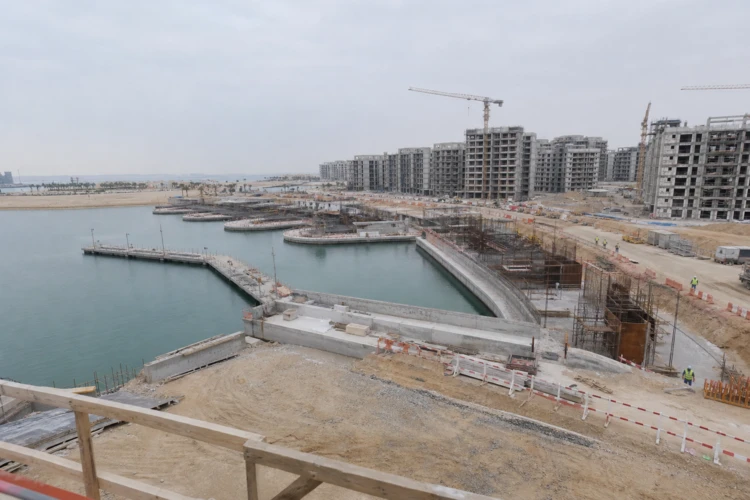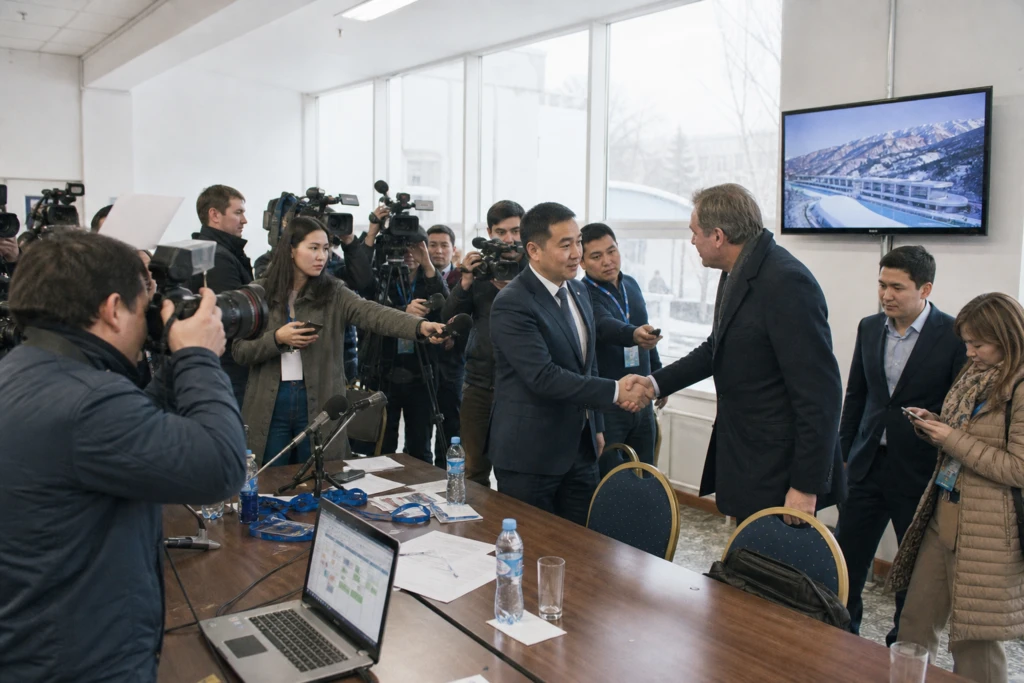
The Olympic Council of Asia (OCA) has confirmed that Almaty, Kazakhstan will host the 2029 Asian Winter Games, replacing Saudi Arabia’s planned NEOM venue. The Games had been intended for Trojena, an under-construction mountain tourism resort positioned as a centerpiece of the NEOM mega-project on the Red Sea in northwestern Saudi Arabia. The change was announced on the sidelines of the Winter Olympics in Milan-Cortina, with OCA President Sheikh Joaan bin Hamad Al Thani pointing to Almaty’s legacy, including its hosting of the Asian Winter Games in 2011. For Saudi Arabia, the decision lands as more than a calendar adjustment. It reshapes the international narrative around whether Trojena can arrive on the timelines implied by a major continental event.
The immediate trigger was postponement. In January, Saudi Arabia and the OCA agreed to delay the kingdom’s staging of the Games at Trojena, with reporting indicating delivery timelines for the ski resort were being reassessed. Reuters quoted a source at the Saudi Olympic Committee saying the kingdom would negotiate a new date to host the Games in NEOM and that the delay would allow time to develop a winter-sports culture. But once the postponement became official, the OCA moved quickly to award hosting to Almaty. The decision underlines a practical point: multi-sport winter events demand operational readiness, not only ambitious masterplans.
What the Switch to Almaty Signals About Readiness and Risk
Almaty offered certainty. The OCA highlighted Kazakhstan’s commitment to winter sports, and Almaty’s prior hosting in 2011 was central to the council’s confidence in an “unforgettable Games” in 2029. Other coverage framed the decision around feasibility and “strict operational thresholds” that Trojena could not meet by the 2029 deadline. In contrast, Almaty was described as having relevant facilities and a proven winter-events track record, including the 2017 Winter Universiade. For Saudi Arabia, the implication is stark. Until Trojena can demonstrate delivery and operations, the safest option for organizers is a location with a winter-sports legacy and less dependence on future construction milestones.
The hosting pullback also reopens scrutiny of NEOM’s wider scale and sequencing. Reuters described NEOM as a $500-billion-plus mega-project, with Trojena designed to offer outdoor sports and year-round skiing in a region with no natural snow. Deutsche Welle noted the project has faced repeated delays and doubts over feasibility, and said Riyadh has been forced to reassess several large-scale development projects amid rising costs and stagnating oil prices. The same reporting referenced another planned NEOM element: two parallel mirror-encased skyscrapers extending over 170 kilometers through desert and mountain terrain. In that context, losing the 2029 Games becomes a proxy signal about execution risk, not only a sports hosting issue.
Strategically, the setback does not automatically remove Saudi Arabia from future hosting ambitions, but it changes the order of operations. The joint framing from Saudi sports authorities and the OCA has been described as a deferment rather than a cancellation, with an “updated framework for future hosting.” That language aligns with Reuters’ quote from Finance Minister Mohammed Al-Jadaan that the kingdom had “no ego” about reassessing feasibility and shifting focus to sectors capable of delivering quicker returns, including tourism. The loss of the Games reduces a near-term showcase for Trojena, yet it may also reduce the pressure to open a complex winter venue to meet a fixed deadline before the destination and workforce are fully ready.
Why were the 2029 Asian Winter Games moved from NEOM to Almaty?
What does the Asian Winter Games NEOM Almaty relocation mean for Trojena?
What is Trojena within the NEOM project?
Did Saudi Arabia say it could still host the Games in the future?