Saudi Arabia’s aviation fuel story is being rewritten by growth and sustainability pressures at the same time. A 2026 press release citing IMARC Group research puts the Saudi Arabia aviation fuel market at USD 3,461.09 million in 2025, with a projection to reach USD 9,746.99 million by 2034, reflecting a 12.19% growth rate for 2026–2034. That same source points to momentum toward sustainable aviation fuel (SAF) adoption as part of broader decarbonization strategies aligned with Vision 2030, and notes airlines and airports are gradually integrating SAF blends to reduce lifecycle carbon emissions while maintaining operational performance.
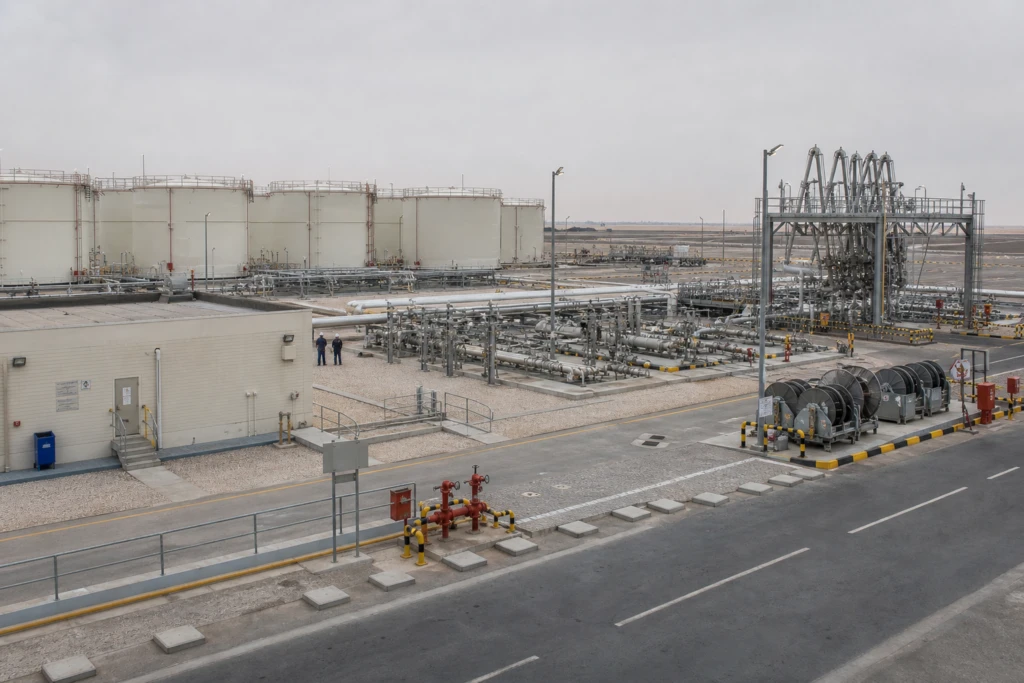
Airport capacity build-outs underline why fuel strategy matters. The same Saudi aviation fuel market source says King Salman International Airport is set to feature advanced fuel storage and supply systems capable of supporting up to 120 million passengers annually once completed. Fleet expansion adds another demand signal: the source notes Saudia Group announced an order for 105 A320neo family aircraft, with deliveries commencing from the first quarter of 2026, which it ties to sustained aviation turbine fuel demand as airlines expand capacity across domestic and international routes. In this context, the case for Saudi Arabia sustainable aviation fuel is about ensuring expanding operations can also support emissions-reduction goals.
Why SAF Becomes the Practical Decarbonization Lever
Globally, SAF is designed to slot into existing aviation operations through blending. Fortune Business Insights states that, based on production method and feedstock, SAF can be blended with conventional fuels at levels ranging from 10% to 50%. Grand View Research adds that SAF enables lifecycle (carbon dioxide) emission reductions of up to 80%. Those characteristics matter because they suggest a transition approach that does not require an immediate, full fuel swap. Adoption is already visible at scale: Fortune Business Insights reports that in 2024 the International Civil Aviation Organization (ICAO) said more than 360,000 commercial flights had utilized SAF across 46 airports, primarily in the U.S. and Europe.
Market signals also show why procurement and supply agreements are increasingly central. Fortune Business Insights notes that large commercial carriers have announced carbon reduction targets for 2030 and net-zero commitments for 2050, translating into long-term fuel procurement strategies, including multi-year SAF offtake agreements. As one example, the same source states that in November 2024, Neste and Air Canada entered an agreement for the supply of 60,000 tons (approximately 77.6 million liters) of Neste MY Sustainable Aviation Fuel, marking the first time that this fuel will be supplied to Canada. These global moves matter for Saudi stakeholders because they demonstrate how airlines can secure supply while supporting project financing for new production facilities.
Scaling, however, is the hard part, and global production figures set the backdrop for Saudi planning. Astute Analytica reports global SAF output reached approximately 600 million liters (0.5 million metric tons) during 2023, then reached 1 million tons (330 million gallons) during 2024, and rose to 1.9 million tons (2.4 billion total liters) in 2025. Market Research Future describes the Middle East and Africa as a developing market for SAF, driven by major international aviation hubs and increasing sustainability initiatives among airlines, and states that countries in the Middle East, including Saudi Arabia, are investing in SAF research and pilot projects. For Saudi Arabia, aligning airport fuel systems, airline growth, and SAF blending pathways is a credible way to pursue expansion while keeping decarbonization strategies operationally realistic.
What is the projected size of Saudi Arabia’s aviation fuel market, and why does it matter for SAF?
How much passenger capacity is King Salman International Airport designed to support?
What blending range can SAF use with conventional jet fuel?
What does global SAF adoption look like in commercial flying?
How is Saudi Arabia approaching sustainable aviation fuel development?