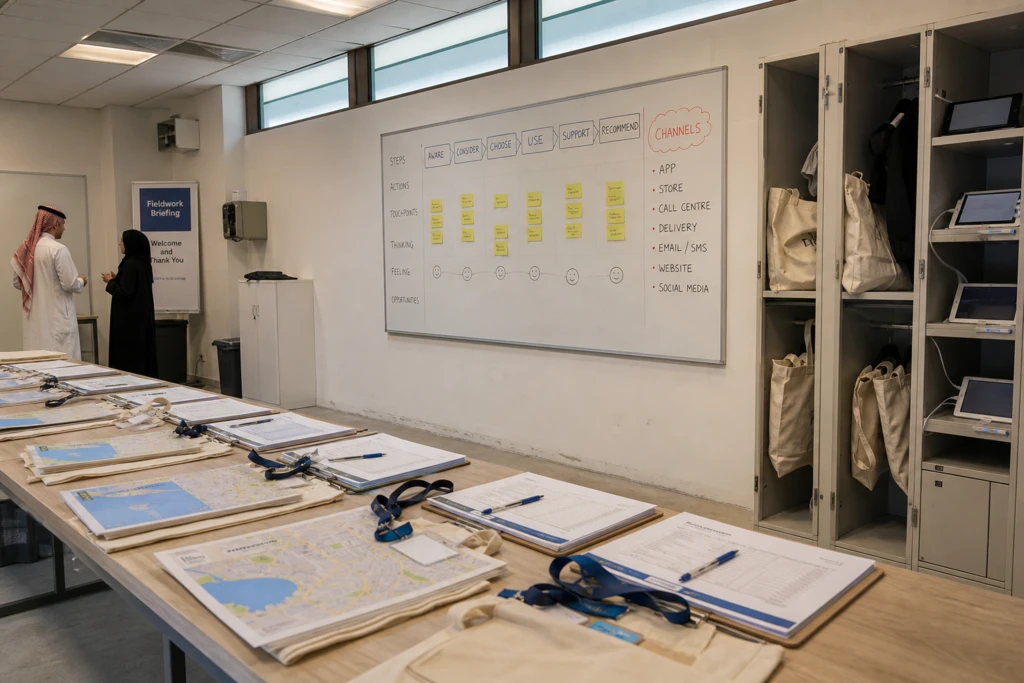
Saudi Arabia’s economy is transforming quickly, and that pace is reshaping how brands manage service quality. With GDP exceeding $1 trillion, the Kingdom is the largest economy in the Arab world, and Vision 2030 continues to push diversification into areas such as technology, tourism, entertainment, renewable energy, and financial services. This scale creates day-to-day execution pressure across customer touchpoints. As businesses expand into new categories and new cities, they need consistent, comparable evidence of what customers actually experience—not just what headquarters believes is happening.
Digital behavior is another reason measurement is accelerating. Internet penetration is listed at 100% (World Bank, 2023), smartphone penetration is above 90%, and 98% of internet usage happens on smartphones. Payments are shifting, too: 79% of retail transactions are electronic payments as of 2024, up from 70% in 2023. Those patterns create more moments where experience can break across apps, stores, delivery, and support. They also increase expectations for fast, seamless service, making structured customer-experience measurement a necessity rather than a “nice to have.”
Why Mystery Shopping Fits Saudi Arabia’s Omnichannel Reality
Mystery shopping is built for identifying the difference between intended standards and real execution. It uses trained evaluators who pose as customers and follow a predefined framework to assess service quality, compliance standards, and end-to-end journeys. Modern programs cover in-store interactions, e-commerce journeys, phone and chat support, social media responsiveness, logistics and returns handling, and regulatory compliance audits. This matters because surveys explain how customers felt, but mystery shopping documents what happened to create those feelings. A major risk is overconfidence: Bain & Company’s “Closing the Delivery Gap” study found 80% of companies believe they deliver a superior customer experience, yet only 8% of their customers agree.
Brands also want evidence that links to performance, not just perception. McKinsey research is cited as showing that improving customer experience can increase sales by up to 7%, lift profitability by 2%, and expand shareholder returns by up to 10%. Mystery shopping supports this by generating both quantitative and qualitative outputs. Quantitative data can capture operational measures such as timed observations, wait times, and scored checklists. Qualitative narratives add context around staff attitude, service personalization, and emotional atmosphere. Research guidance also notes that integrating qualitative and quantitative data leads to more comprehensive business insights, helping multi-location operators monitor consistency and track improvement over time.
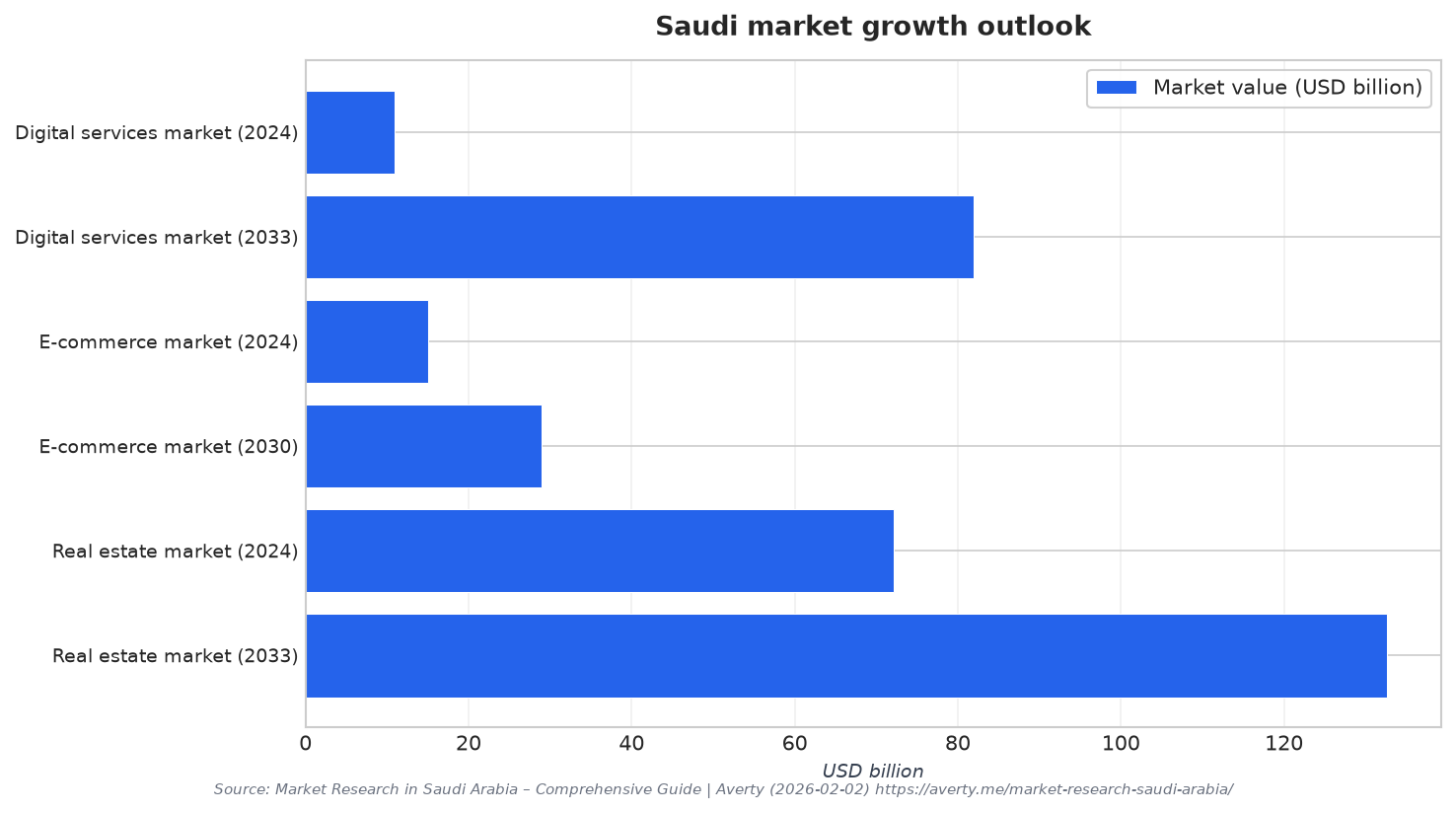
Demand is rising globally, and that creates momentum for Saudi Arabia customer experience research as local organizations professionalize their measurement programs. One market projection estimates the global mystery shopping services market will grow from $2.3 billion in 2025 to $3.2 billion by 2032. In the Middle East context, market research guidance highlights mobile-first shopping, AI-powered personalization, and logistics infrastructure as key forces reshaping retail, alongside a population of over 35 million in Saudi Arabia and increasing female workforce participation. At the same time, mega-projects such as NEOM, Qiddiya, the Red Sea Project, and Riyadh transformation are described as drivers of “unprecedented demand” across sectors—conditions that reward brands that can verify execution, not just plan it.
What is mystery shopping in customer-experience research?
Why are surveys and NPS not enough on their own?
What Saudi digital behaviors are raising the bar for experience measurement?
How can better customer experience affect business results?
What is driving Saudi Arabia customer experience research across sectors?