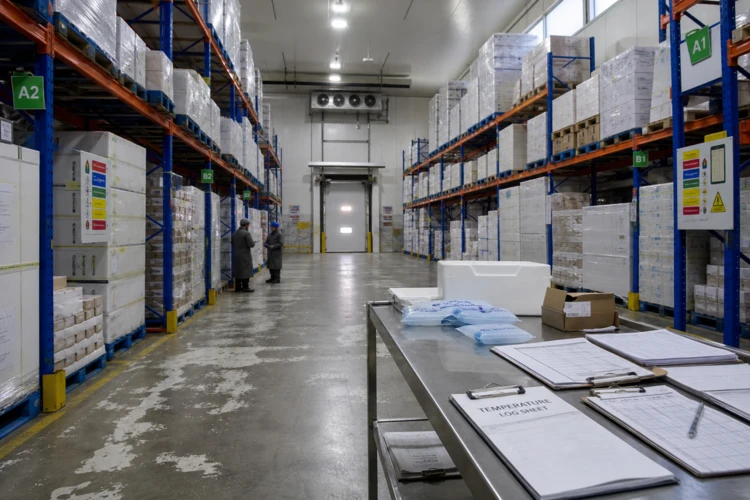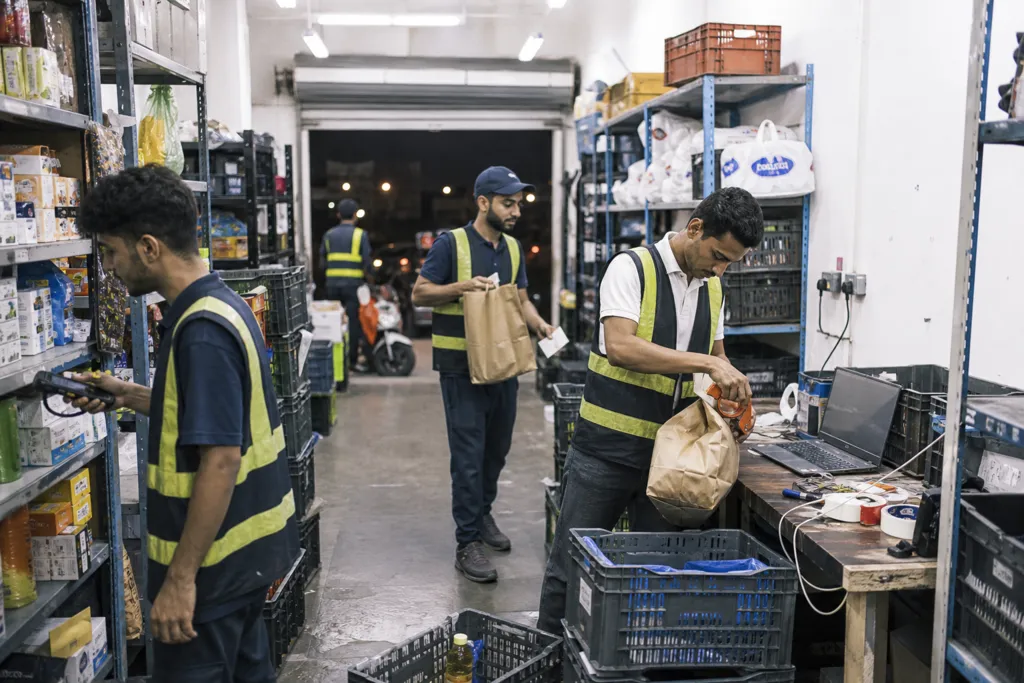
Same-day e-commerce looks effortless from the customer side. The real work happens in the background. Micro-fulfillment centres are one of the quiet enablers. They shorten the distance between inventory and the doorstep. They also reduce friction for picking, packing, and handoff to drivers. This matters in the Saudi micro-fulfillment market because fast delivery is tied to what people actually buy and why they buy it. Quick commerce has shifted from a pandemic-era luxury into a standard expectation in Saudi Arabia, according to Maven Insights research cited by Consultancy-me.com.
Demand signals in Saudi Arabia are already clear. Maven Insights data says 34% of the population are active users of quick commerce services, while 66% have yet to adopt them. Among users, approximately 70% order because they need an item urgently, and 60% order for general convenience. Basket mix is also defined. Snacks and beverages show up at 51%, and groceries at 47%. These are the kinds of items that benefit from being stored close to dense neighborhoods. They are also the kinds of items where speed can change the purchase decision.
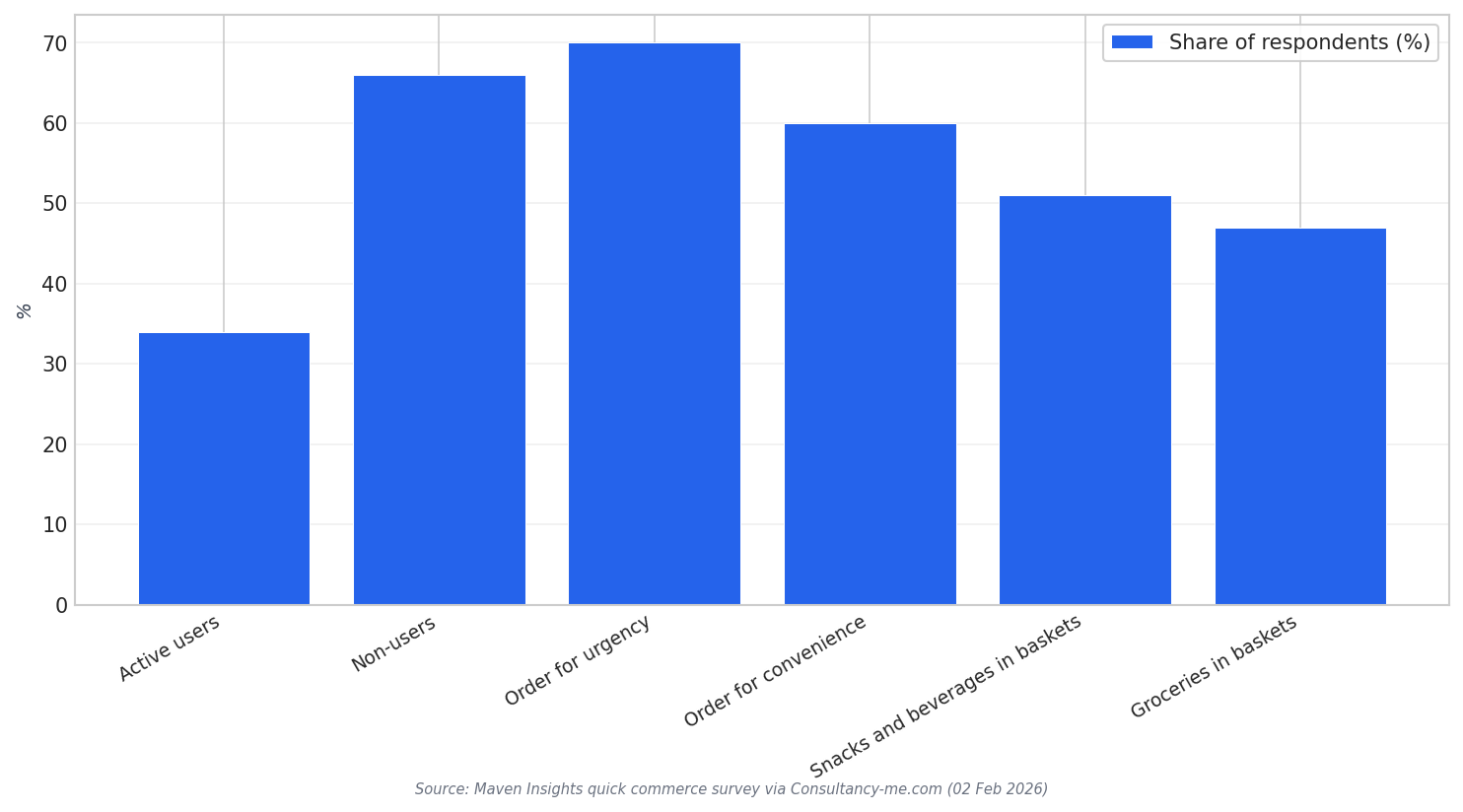
Those user motivations map directly to the operational logic of micro-fulfillment. If the top reason is urgency, then inventory placement and picking speed become the product. If the next reason is convenience, then reliable availability and smooth handoffs matter as much as the app experience. That is why micro-fulfillment is often discussed alongside automation. Chain Store Age describes micro-fulfillment centers as using robotic technology to automate tasks such as picking and packing. Even without heavy automation, retailers still need space for picking and packing, trained associates, and order and inventory systems that can manage digital purchases.
What Global Micro-Fulfillment Moves Reveal for Saudi Arabia
International examples show how large platforms treat micro-fulfillment as a delivery layer, not a side project. Business Insider reported that Amazon has begun installing micro-fulfillment centers in the back of select Whole Foods stores, turning them into local hubs for online orders. Retail TouchPoints also described a trial microfulfillment center within a Whole Foods store in Plymouth, Pennsylvania, designed so shoppers can pick up items from Amazon.com and Amazon Fresh in a single trip. The stated goal was to reduce extra store visits when customers want both specialty grocery items and household essentials.
Regional fulfillment expansion also highlights how automation and capacity planning connect to same-day delivery. Retail TouchPoints reported that Amazon, with the Abu Dhabi Investment Office (ADIO), opened a fulfillment center in Abu Dhabi using automation solutions to help accelerate deliveries and enable same-day delivery across a wide range of products across the country. The same report said the facility has storage capacity of 8 million units, with nearly half dedicated to sellers using Fulfilled by Amazon services, and that more than 30 product categories can be stored. For the Saudi micro-fulfillment market, the lesson is not the location. It is the playbook: place inventory for speed, widen categories, and use process and analytics to drive operational efficiency.
What is driving demand in the Saudi micro-fulfillment market?
Which items most often appear in Saudi quick commerce baskets?
How do micro-fulfillment centers help enable faster delivery?
How is Amazon using micro-fulfillment in grocery operations?
What does the Abu Dhabi fulfillment center example suggest about same-day operations?