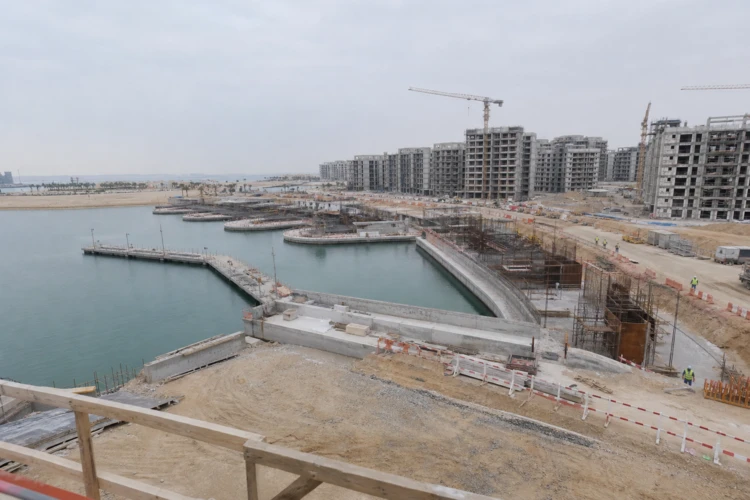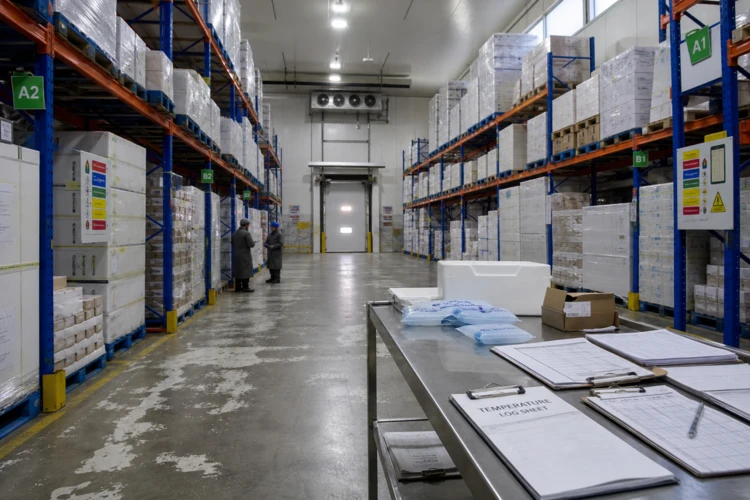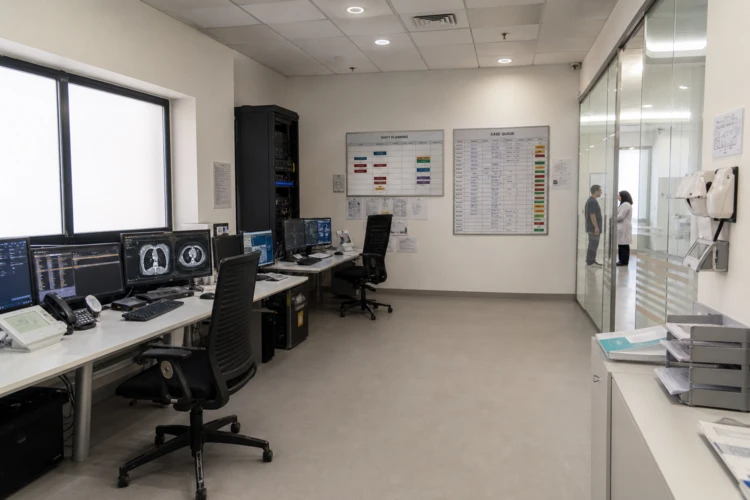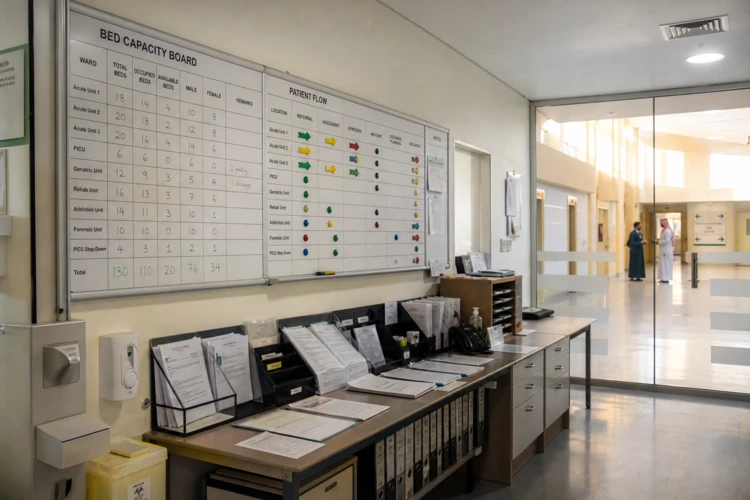
Cooling is becoming a central infrastructure issue in Saudi Arabia, not a background engineering detail. As new districts open and more visitors arrive, comfortable hotels, malls, airports, hospitals, and entertainment venues must operate in one of the hottest climates on earth. A localized, high-efficiency HVAC supply chain is positioned as one lever to meet growing demand for energy-efficient HVAC solutions, with a stated intent to serve Saudi Arabia and the wider Middle East. This puts the Saudi district cooling market in the spotlight because city-scale cooling can shape electricity demand, costs, and operational resilience across fast-growing districts.
Power demand is the pressure point that makes cooling strategy urgent. Cooling equipment consumed an estimated 5,000 terawatt-hours (TWh) of electricity globally in 2022, and a projection cited from RMI indicates demand could more than triple to 18,000 TWh by 2050. These are global figures, but they signal the direction of travel for hot, rapidly developing regions. District cooling is already described as about 50% more efficient than building-level air conditioning. When districts avoid duplicated chiller plants across buildings, the system can reduce unnecessary energy intensity over time and improve reliability.
District Cooling as a Peak-Demand and Water Strategy
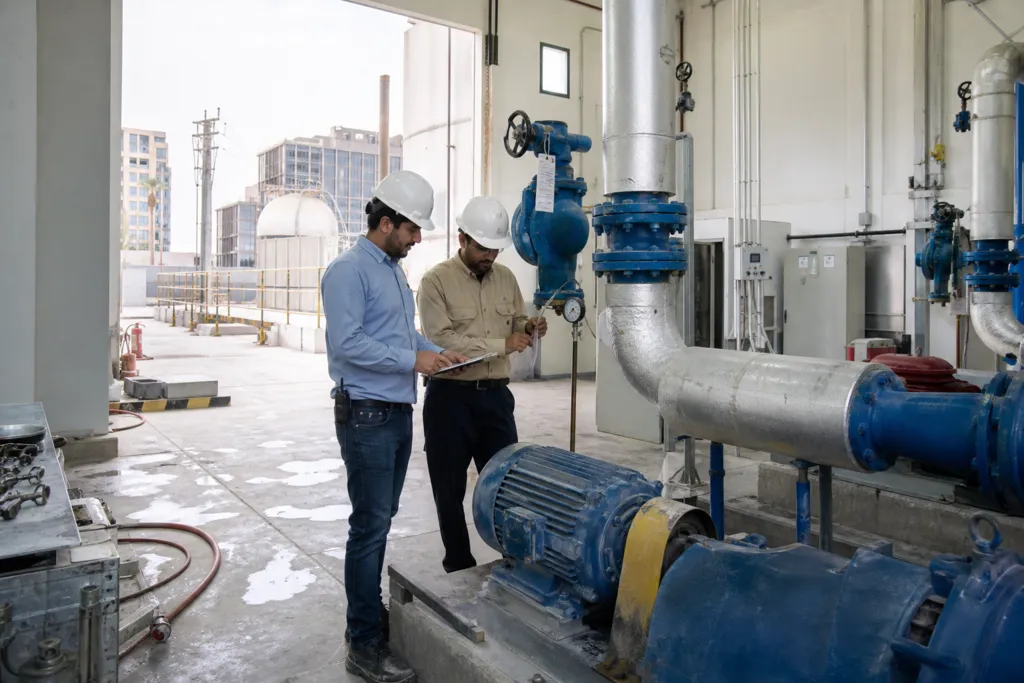
District cooling strengthens grid stability when paired with Thermal Energy Storage (TES). TES can shift cooling production to off-peak hours and store chilled water for use during higher-tariff periods, reducing maximum demand while improving resilience. This matters as infrastructure planners face rising concerns about capacity constraints and transmission bottlenecks in high-demand markets, and as power prices become a dominant issue. At the district scale, centralized plants also create a clearer platform for operational optimization, including AI tools that are being piloted in the UAE to accelerate energy efficiency across data centres and district cooling operations.
Water availability is the second constraint that should shape the Saudi district cooling market. Saudi Arabia meets 70% of its water needs through desalination and operates 32 plants across 17 locations. National water demand is expected to reach nearly 18 million cubic meters per day by 2030, and plans include over 10,000 km of new water transmission pipelines by 2030 with an investment close to $30 billion. In this context, Gulf policy work emphasizes a non-potable-first approach for cooling: recycled wastewater, treated sewage effluent (TSE), brackish groundwater, or lightly treated seawater should supply cooling needs wherever possible, reserving potable water for human and agricultural use.
District cooling also fits with integrated, cross-border learning among eco-city initiatives. NEOM in Saudi Arabia, Green Mubarak Al-Kabeer City in Kuwait, and Masdar City in the UAE have launched a joint platform to exchange technologies and standards on energy and water efficiency. The focus includes district cooling, thermal storage, and potential reuse of waste heat for other industrial processes, including desalination. This kind of structured exchange can reduce duplication and improve replication odds across the GCC. It also connects to practical technology pathways, such as geothermal-assisted district cooling: in Masdar City, a geothermal approach produces chilled water and already covers about 10% of the city’s cooling needs.
The opportunity is straightforward: design new Saudi districts so cooling is treated as shared urban utility infrastructure from day one. That means fewer fragmented chiller plants, more predictable long-term cooling costs, and a smaller environmental footprint, while easing peak-demand stress with TES. It also means aligning cooling with non-potable water policies to avoid locking in potable-water dependence. With tourism infrastructure expanding and digital infrastructure demanding resilient operations, district-scale cooling gives planners a lever to manage electricity demand, water risk, and delivery reliability at the city level.
Why does the Saudi district cooling market matter for power demand?
How can thermal energy storage improve district cooling performance?
How is water strategy connected to district cooling in Saudi Arabia?
What role do eco-city collaborations play in scaling district cooling?
Is geothermal cooling relevant to district cooling in the region?