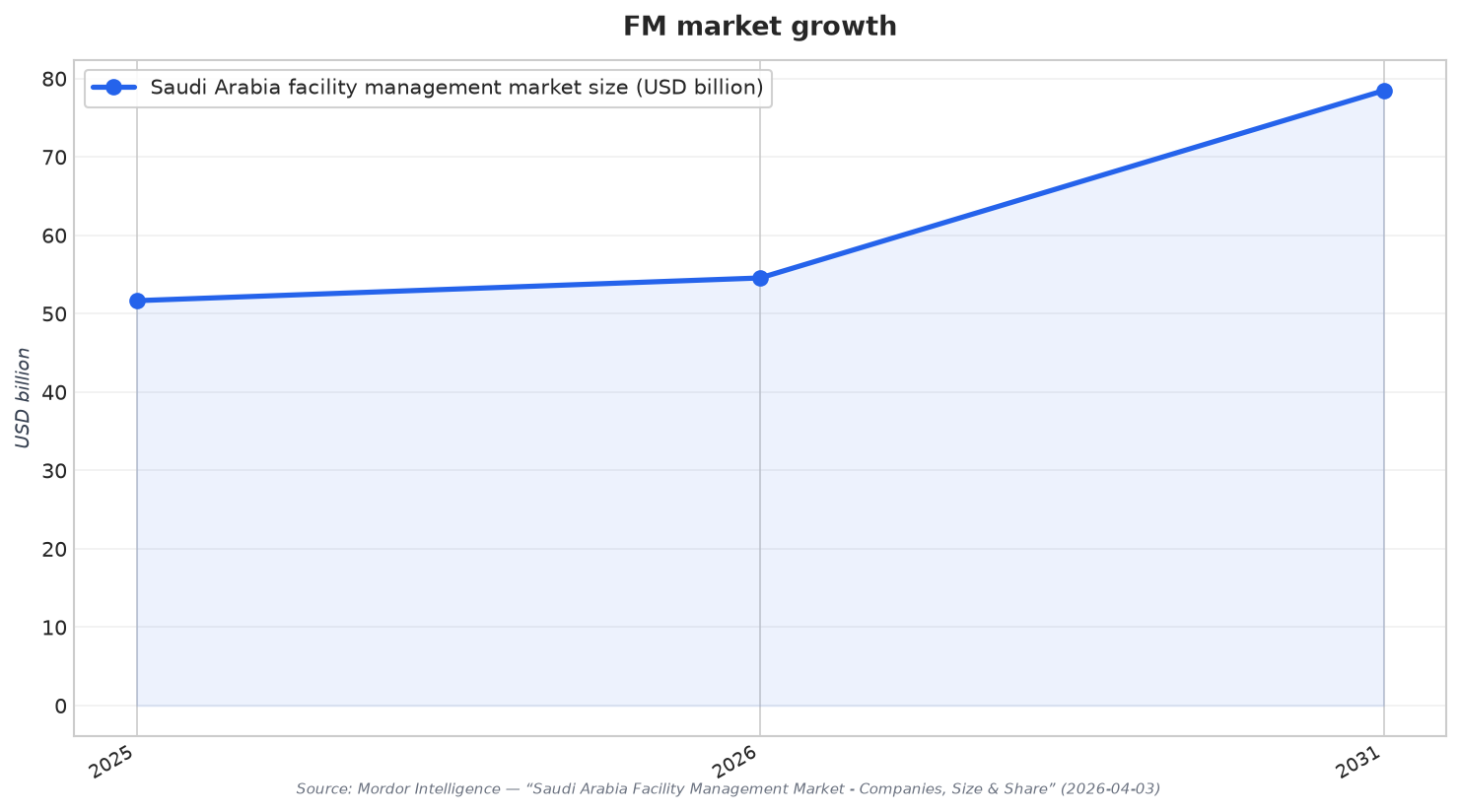
Saudi Arabia’s built environment is expanding at a scale that shifts facilities management (FM) from a support function to an operating backbone. Mordor Intelligence projects the Saudi Arabia facility management market at USD 51.66 billion in 2025 and USD 54.56 billion in 2026, reaching USD 78.46 billion by 2031 at a 7.54% CAGR from 2026 to 2031. Astute Analytica also values the market at USD 51.23 billion in 2025 and projects USD 134.82 billion by 2035, at a 10.16% CAGR for 2026–2035. Different methodologies can vary, but both signal the same theme: a growing base of operational assets that need multi-year service coverage.
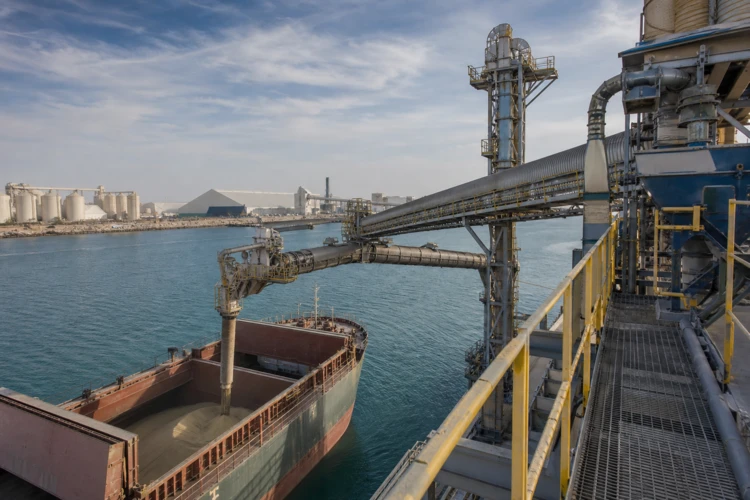
Giga-projects and infrastructure delivery are pushing clients toward longer-duration, lifecycle-oriented scopes. Mordor Intelligence cites mega-projects valued at more than USD 1.1 trillion as redefining FM needs, moving from ad-hoc maintenance toward contracts tied to uptime, energy optimization, and sustainability reporting. Astute Analytica adds that USD 105 billion was committed to giga-projects as of 2025, and that the sector helps preserve the value of USD 148 billion in construction contracts awarded in 2024. The point is simple. Each new district, resort, and transport node creates ongoing demand after handover, and recurring FM revenue starts when construction headlines fade.
Integrated Contracts, Outsourcing, and the Recurring Model
The recurring-revenue logic is strongest when services are bundled and outsourced. Mordor Intelligence reports outsourced FM accounted for 59.36% of market size in 2025 and is projected to grow at an 8.34% CAGR to 2031. It also notes hard services held 54.59% share in 2025, while soft services are forecast at an 8.12% CAGR through 2031. In parallel, the Saudi Arabia soft FM market alone is expected by Mordor Intelligence to reach USD 14.09 billion in 2025 and grow at a 13.10% CAGR to USD 26.08 billion by 2030. For buyers, integrated facility management simplifies governance. For providers, it turns single-service work into longer contracts and repeatable delivery across sites.
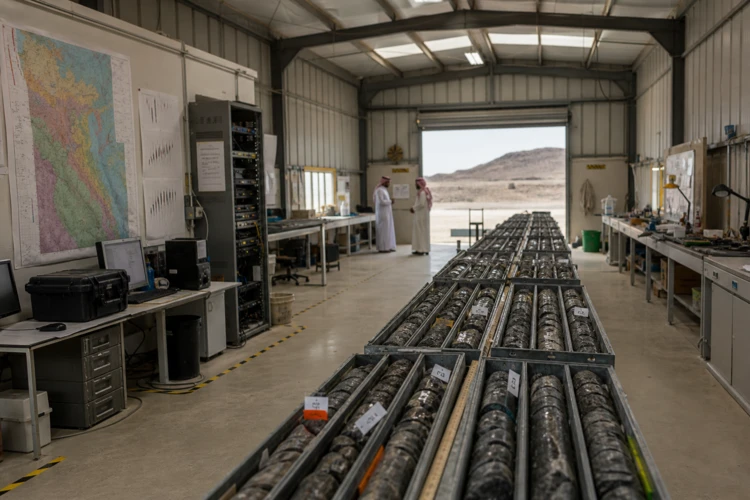
Demand is also being shaped by where assets cluster and how they are used. Astute Analytica states Riyadh held 5.2 million sqm of office stock in H1 2024 and cites 1.46 million residential units requiring community management, supporting steady volume. It also highlights higher-complexity work in new development territories: NEOM has awarded USD 28.7 billion in construction contracts, while Red Sea Global is already servicing 14,000 employees at operational hubs. On the user side, Astute Analytica reports 116 million tourists visited in 2024 and that the hospitality sector operated 443,200 hotel rooms, nearly doubling from the previous year. Industrial expansion adds technical depth, with 2,598 factories under construction in Q4 2024 valued at SAR 166 billion, which increases needs for MEP-heavy hard FM.
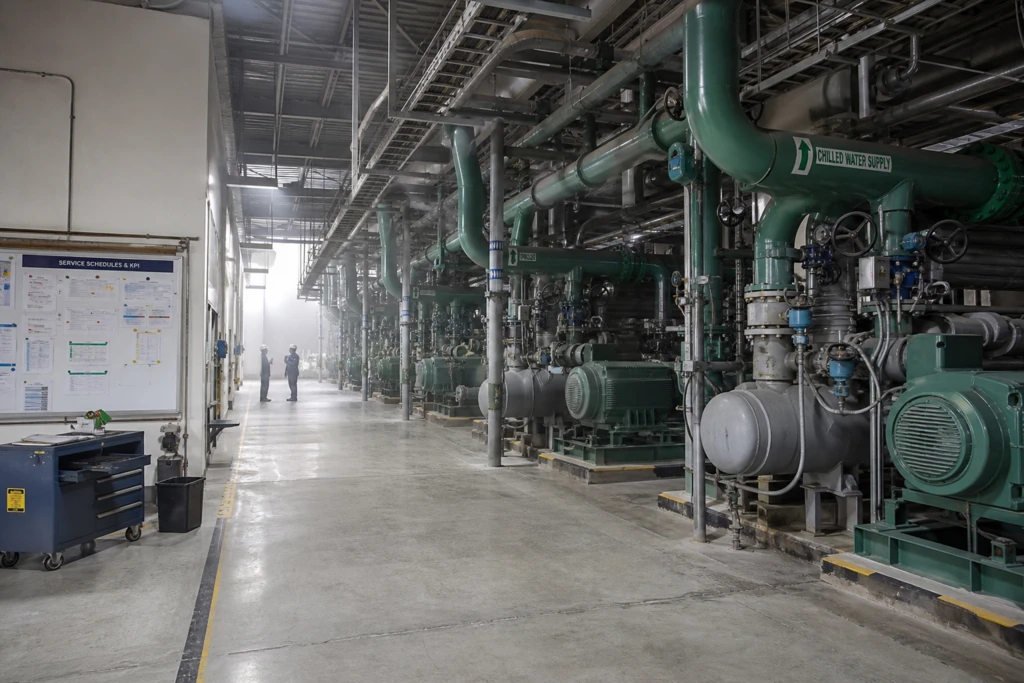
Two additional forces reinforce contract longevity: technology and regulation. Mordor Intelligence links rising IoT adoption to predictive maintenance and energy analytics, citing research that these approaches can cut unplanned downtime by up to 70% and lower lifecycle costs, strengthening the case for data-driven service agreements. It also points to mandated compliance with the Mostadam rating system and the Green Building Code, shifting ESG from voluntary practice to contractual obligation. Commercial facilities led end-user revenue with a 26.73% share in 2025, while healthcare is expected to grow fastest at a 9.68% CAGR to 2031, according to Mordor Intelligence. Together, performance metrics, sustainability reporting, and critical-use environments can keep FM spend recurring, measured, and difficult to internalize.
What is driving recurring revenue in Saudi Arabia’s facilities management market?
How large is the market, according to the sources?
Which service segments are expanding fastest?
How do tourism and hospitality affect FM demand?
What role does IoT-based predictive maintenance play in FM contracts?