Saudi Arabia’s pet economy is no longer a small add-on category inside retail. It is evolving into a distinct consumer market that spans food, grooming, veterinary services, accessories, and digital convenience. IMARC Group research cited by Futurism reports the Saudi Arabia pet care market reached USD 3,501.5 million in 2025 and is expected to reach USD 5,230.5 million by 2034, with a CAGR of 4.56% during 2026–2034. The same source says the Kingdom’s pet population more than tripled in recent years, reaching 2.4 million pets, and that cats and dogs drive the bulk of spending across multiple care categories.
Urban concentration is shaping how and where this demand turns into sales. Futurism notes Riyadh alone has 451 registered pet care businesses and hosted the International Cat Show, while LucaLand opened Saudi Arabia’s first dedicated dog park in June 2024. Policy and regulation are also shifting the environment for ownership and everyday pet routines. Futurism reports the Saudi Transport General Authority allowed small pets on public transport in November 2023. It also notes the Ministry of Environment, Water & Agriculture launched a nationwide animal welfare inspection campaign in August 2024 covering pet shops, clinics, and boarding facilities.
Premium Products and Specialized Nutrition Are Redefining the Basket
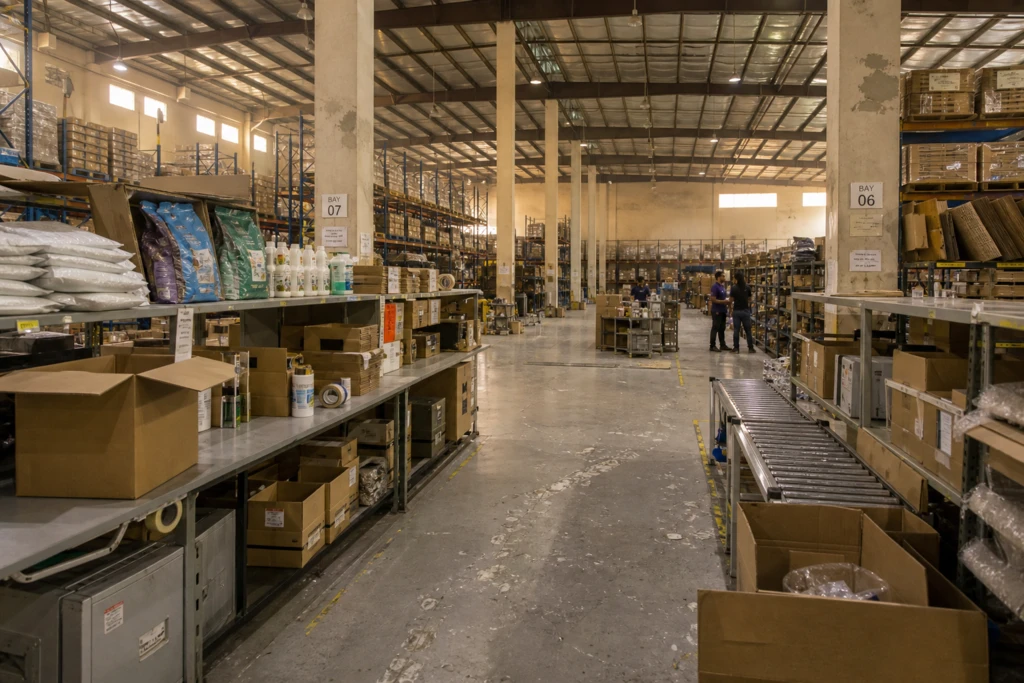
Premiumization is changing the category mix, especially in food. IndexBox reports that over 90% of Saudi Arabia’s pet food is sourced from international suppliers, and dry kibble represents roughly 70% of retail volume. At the same time, IndexBox says premium and super-premium segments are expanding at an estimated 10–12% per year, driven by humanization and higher disposable income among urban owners. It also estimates specialized nutrition, such as life-stage and condition-specific formulas, now represents about 25–30% of total value. Ken Research adds that premium pet food dominates within its product-type discussion, highlighting demand for organic and grain-free options and specialized diets tailored to breeds and health conditions.
Digital retail is increasingly central to the path-to-purchase, not just a secondary option. IndexBox estimates online platforms account for approximately 35–40% of pet food sales in major cities such as Riyadh and Jeddah, up from less than 15% in 2020, reshaping distribution and loyalty. Futurism highlights e-commerce platforms such as Amazon.sa, PetZone, and MyPets as part of the everyday shopping experience for pet owners. Ken Research similarly notes that online sales channels are experiencing the fastest growth, citing convenience, variety, competitive pricing, and home delivery services, alongside ongoing digital transformation and increasing internet penetration in the region.
Pet ownership patterns are also diversifying, particularly in dogs, which expands demand for different product sets and services. IndexBox notes trade-source estimates that the number of pet dogs in Saudi Arabia has risen at an annual rate of 5–7% since 2020, supporting higher commercial dog food consumption. Soluky Pet reports pet care costs ranging from SAR 300–800 for cats and SAR 500–1,500 for dogs, and adds that younger generations under 30 are driving rising dog ownership. In parallel, Futurism points to industry-building signals such as the Saudi Pet & Vet Expo, which drew over 120 exhibitors from 16 countries in October 2024, reinforcing how quickly retail, services, and brand activity are scaling.
How fast is Saudi Arabia’s pet care sector expected to grow?
What is driving the shift toward premium pet food in Saudi Arabia?
How important is e-commerce for pet food sales in major Saudi cities?
What does the Saudi Arabia pet care market look like in terms of pet population?
What signals show pet retail and services are scaling in Saudi Arabia?