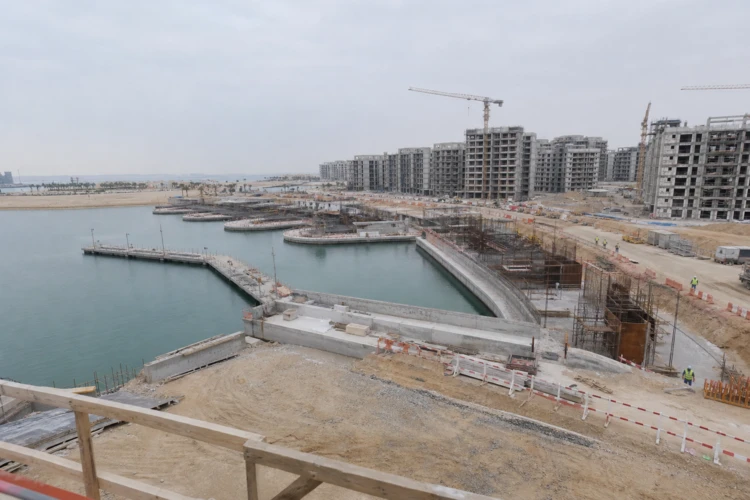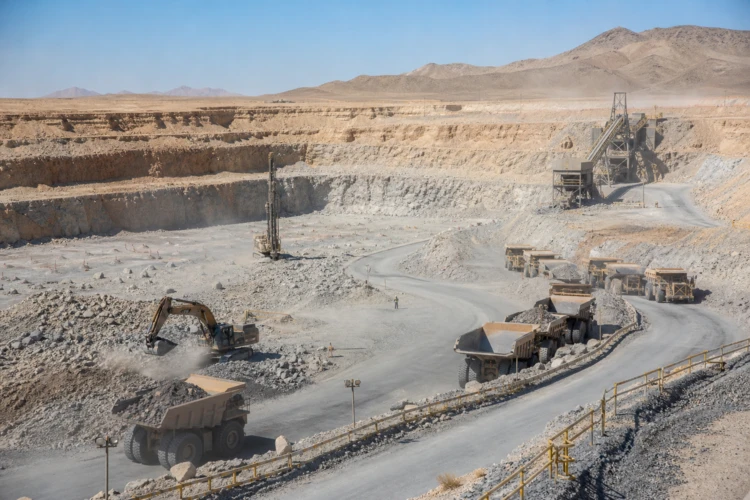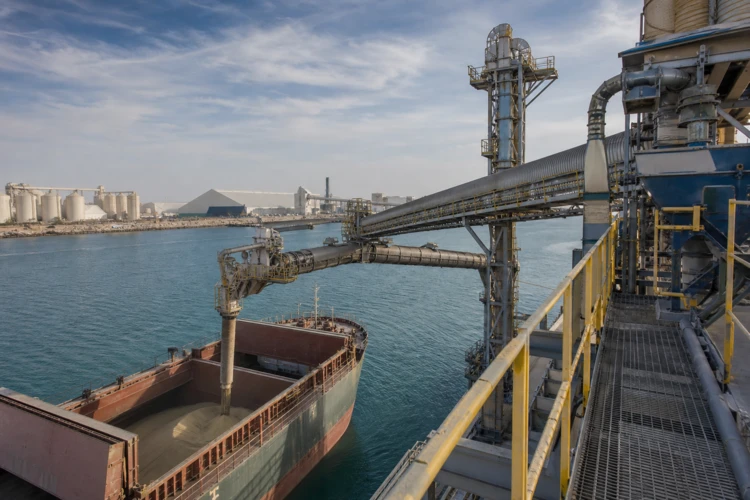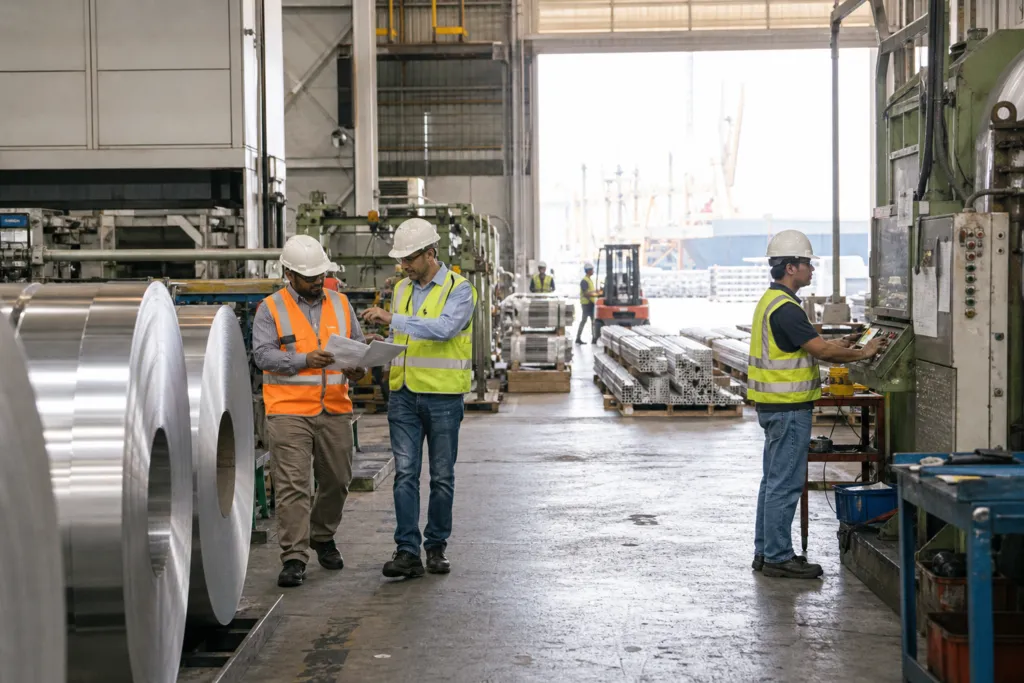
Saudi Arabia is trying to capture more value from minerals by building integrated chains that link extraction, processing, and global logistics. This matters for the Saudi Arabia aluminum industry because aluminium expansion is explicitly tied to infrastructure such as smelting facilities, port access, and railway connections that were being established as early as 2009-2010. The strategy also leans on traditional energy cost advantages, while managing a transition toward market-based energy pricing. That transition raises the premium on operational efficiency, new processing capability, and deeper downstream participation rather than simple “dig-and-ship” exports.
Policy and capital are shaping the pace. Saudi Arabia has said it identified $2.5 trillion of metals and minerals inside the country, and it wants mining to become a pillar of economic diversification beyond oil sales. In the first six months of 2025, the Kingdom issued 22 mining licenses, up from nine in the same period of 2024. Yet foreign investment has been described as slow to arrive, implying that domestic champions must carry more of the build-out. That dynamic increases the importance of scale, execution, and partnerships that can bring technology into the country.
Ma’aden’s Aluminum Push and the Downstream Logic
Ma’aden sits at the center of the integrated approach. It has been majority-owned by PIF at around 65%, and it has used joint ventures to share risk and capture know-how. Alcoa was embedded in the Ras al-Khair complex with 25.1% stakes in the bauxite, alumina, and smelter JVs, and later Ma’aden’s full acquisition of Alcoa’s 25.1% stake in Maaden Aluminum Company and Maaden Bauxite and Alumina Company consolidated control across the aluminum value chain. At the strategic level, Saudi Arabia’s aluminium plan targets production doubling within five years, while Ma’aden’s chief executive also described a plan to double its aluminium business as part of a broader investment program.
Downstream opportunity is not limited to primary metal. Sources describe a shift toward value-added processing that generates higher revenues and additional employment, and toward downstream integration into specialty chemicals and alloys to create higher-margin niches. The same playbook is also being applied beyond aluminium into adjacent processing capabilities that can feed industrial manufacturing. Ma’aden outlined an $110 billion investment plan over a decade and said it has eight megaprojects on the books, with two underway and six in planning. The stated intent is strategic impact and downstream development, not only volume.
Saudi Arabia’s approach also uses partnerships to widen the downstream perimeter around metals. A partnership with MP Materials aims to build a rare earths processing and magnet production facility in Saudi Arabia. Another initiative cited is a $9.32 billion Global Supply Chain Resilience Initiative funding copper and zinc smelters in partnership with Vedanta and Zijin. These projects support industries linked to electric vehicles, artificial intelligence, and clean energy technologies, and they reinforce the “reliable supplier” narrative for global supply chains. For performance context, Ma’aden reported 2025 revenue of SAR39 billion ($10.4 billion) and net profit attributable to shareholders of SAR7.3 billion.
Capturing downstream value still faces constraints. Analysts warn the mining sector may struggle to attract significant foreign investment, which can constrain growth, even as the Kingdom signs cooperation deals to secure critical mineral supply chains. Execution will also hinge on competitiveness as energy pricing evolves, and on turning infrastructure into sustained export capacity. Still, with integrated ports and railways, consolidating control over bauxite-alumina-smelting, and a national plan centered on processing, the Saudi Arabia aluminum industry is being positioned as a platform for downstream manufacturing rather than a standalone commodity business.
What is driving the Saudi Arabia aluminum industry’s downstream push?
How is Ma’aden strengthening control of the aluminum value chain?
What is Ma’aden’s large-scale investment plan tied to aluminum and minerals?
What recent indicators show Saudi Arabia accelerating mining activity?
How do partnerships support downstream processing in Saudi Arabia?