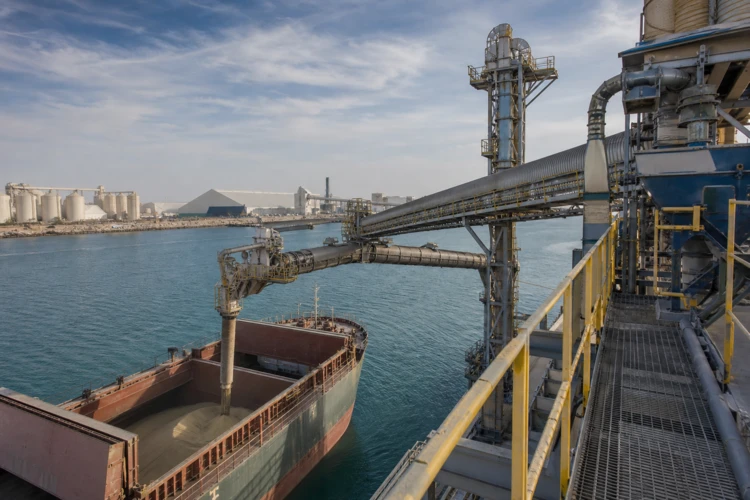
Water security is a central planning priority in the Kingdom. Arab News reported a view that Saudi Arabia has spent years building strong food and water security systems, supporting confidence that essential supplies remain available even during periods of regional tension. The Saudi Arabia desalination market is a key pillar of that confidence because desalination is not a marginal source. It is the backbone of daily supply for households and for water users tied to economic growth. The same topic is often framed as both a monumental achievement and a vulnerability, because so much depends on coastal infrastructure.
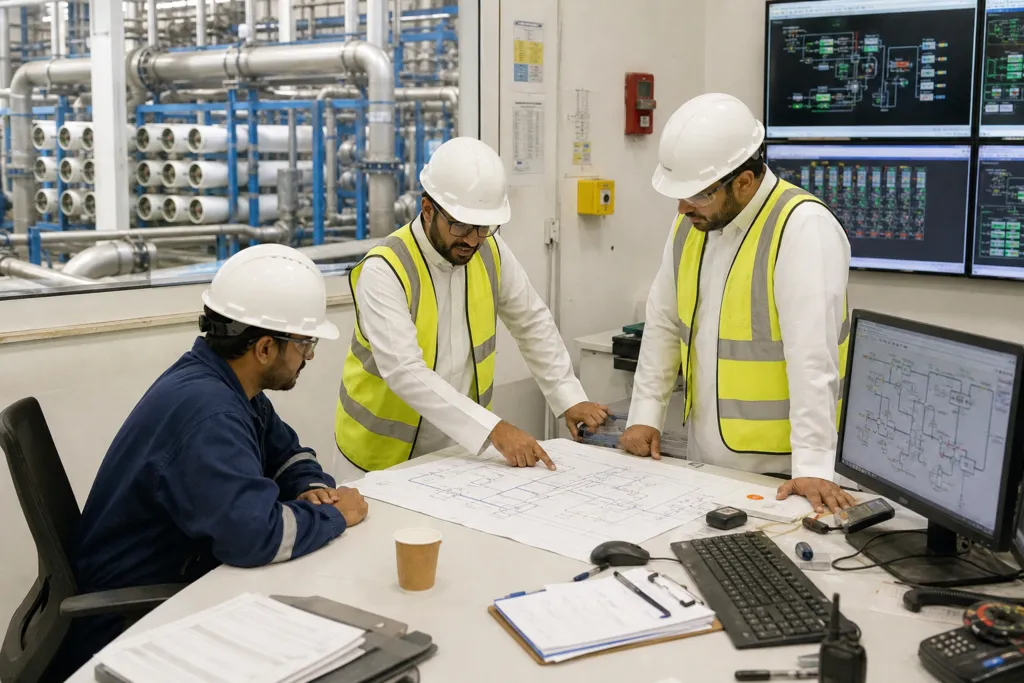
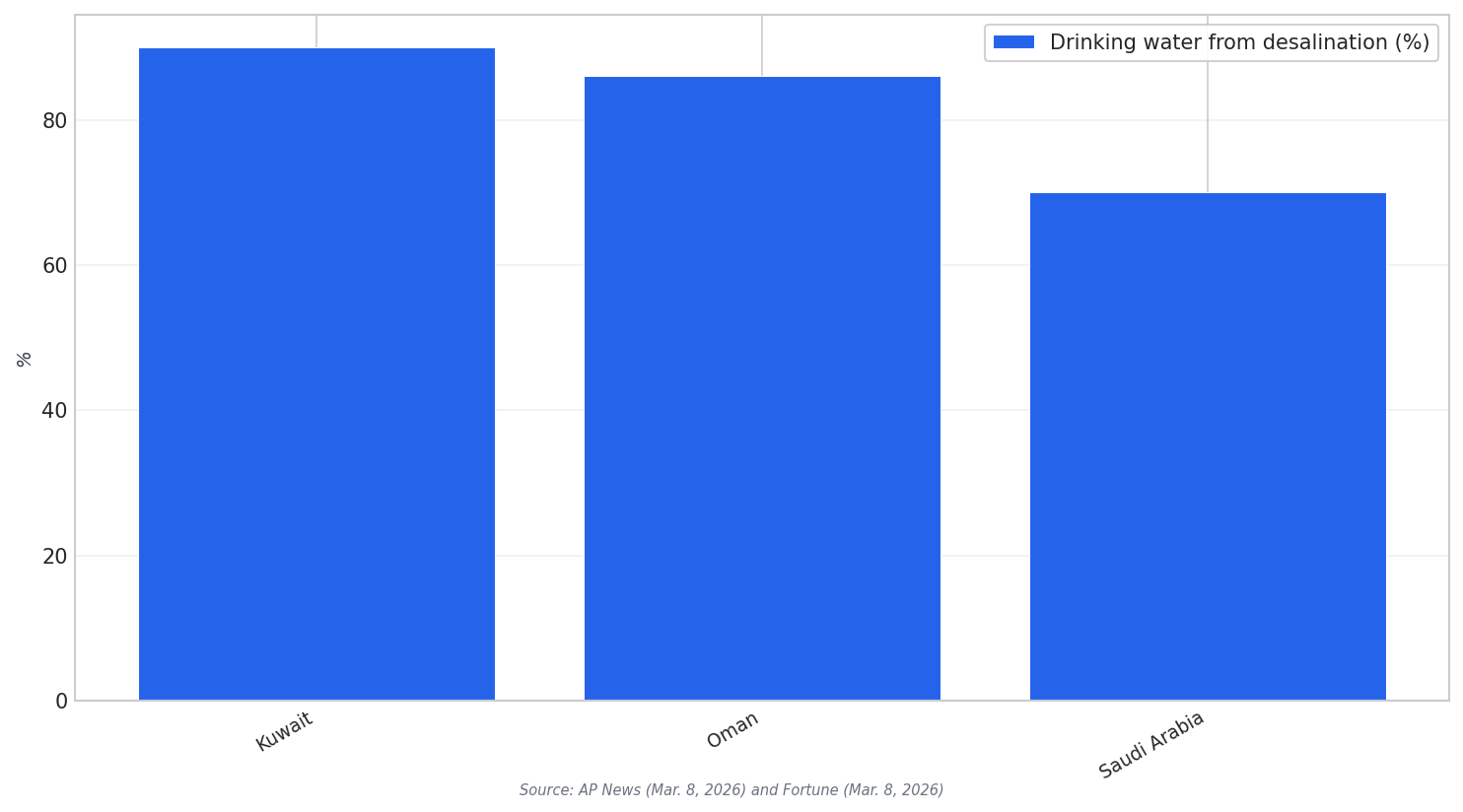
Saudi Arabia meets 70 percent of its water needs through desalination, according to World Population Review, and operates 32 plants across 17 locations. Multiple reports also describe desalination as essential to sustaining cities, hotels, industry, and some agriculture in an arid region. The dominant technology cited is reverse osmosis, which removes salt from seawater by pushing it through ultra-fine membranes. This operational footprint matters because it shows scale and geographic spread, but it also concentrates strategic importance in physical assets that must stay online.
Demand growth is the other side of the market story. Saudi Arabia’s national water demand is expected to reach nearly 18 million cubic meters per day by 2030, driven by population growth and economic expansion under the Vision 2030 initiative, as cited by Arab News. These drivers connect water planning to industry, urban development, and broader economic activity. As demand climbs, the importance of execution in supply projects increases, because delays can tighten the margin between capacity and consumption and raise the cost of disruptions.
Execution, Networks, and the Push to Scale
Delivery capacity is being reinforced through large transmission plans and procurement focus. According to a report by the Saudi Water Authority in collaboration with Oliver Wyman, the Kingdom plans to build over 10,000 km of new water transmission pipelines by 2030, with an investment of close to $30 billion, representing about 90 percent of the region’s transmission investment. Oliver Wyman partner Arnaud Delamare emphasized “execution discipline,” including accelerating tenders, maintaining bankable procurement, and broadening the investable pipeline. He also said Saudi Arabia has proven the Public-Private-Partnerships model works, and the next step is scaling it with speed and certainty to deliver long-term water security.
Risk management is also shaping decisions. A leaked 2008 U.S. diplomatic cable warned that Riyadh “would have to evacuate within a week” if the Jubail desalination plant or its pipelines or associated power infrastructure were seriously damaged. Reports say Saudi Arabia has since invested in pipeline networks, storage reservoirs, and other redundancies designed to cushion short-term disruptions. At the same time, analyses note that hundreds of desalination plants along the Gulf coast can sit within range of missile or drone strikes, and that warming oceans could increase cyclone risks that may threaten coastal desalination through storm surge and extreme rainfall.
These dynamics position the Saudi Arabia desalination market as both infrastructure-led and resilience-led. On one track, desalination and transmission expansion help keep pace with demand expected by 2030. On the other track, redundancy investments and disciplined execution aim to reduce the impact of sudden shocks. Together, they form a practical approach: expand capacity, move water efficiently, and design systems that can absorb disruption. For industry and cities, the value is straightforward. Reliable water supply supports continuity, investment confidence, and the day-to-day stability that broader economic plans depend on.
What is the Saudi Arabia desalination market’s role in national water supply?
How high could Saudi Arabia’s water demand rise by 2030?
What major water transmission investments are planned by 2030?
Why is resilience a central theme for desalination infrastructure?