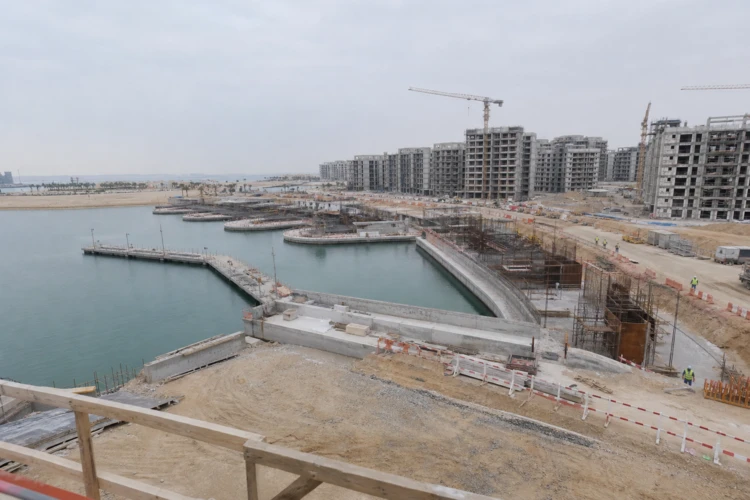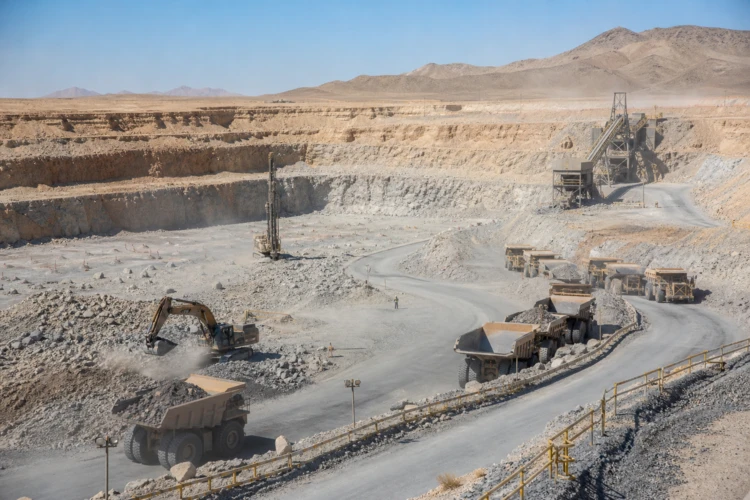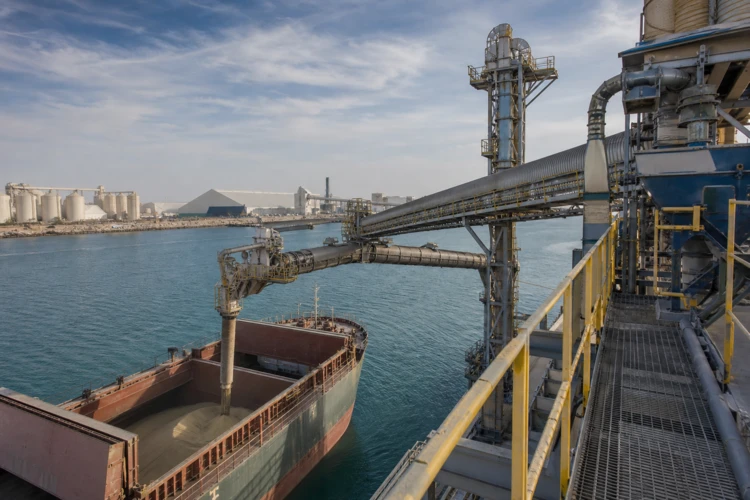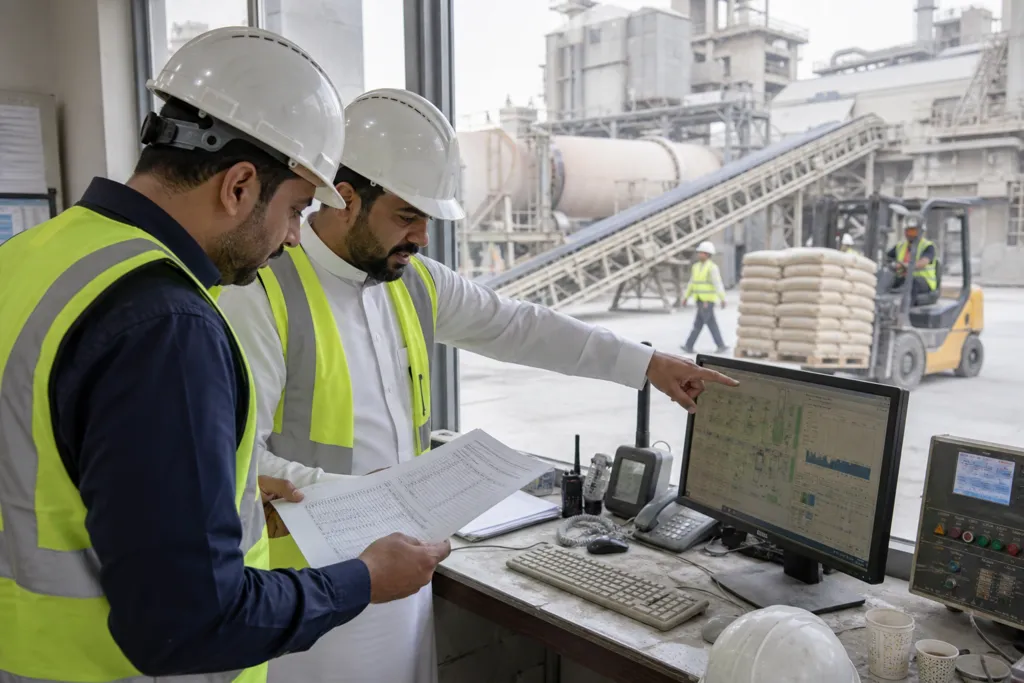
The Saudi Arabia cement market in 2026 is shaped by a clear shift in how megaproject work is paced. Reporting on Vision 2030 development activity points to a slowdown and reassessment phase, with several giga-projects being reevaluated or extended. Neom is specifically described as undergoing revisions to its blueprint due to escalating costs and economic considerations. A MEED comment relayed in the same reporting says the contract phase for many projects will resume after reassessments. For cement and building materials, this signals that demand may not disappear, but it can become less continuous, with procurement timing pushed out.
The contract-value trend reinforces the reset narrative and provides a practical demand proxy for construction-linked materials. Across the GCC, the overall value of development projects is projected at $220 billion in 2025, down from $261 billion in 2023 and $298 billion in 2024. Saudi Arabia’s contract values in the same reporting drop from $125 billion in 2023 to a projected $77 billion in 2025. This matters for cement producers and distributors because fewer awarded contracts typically mean fewer near-term workfronts that pull cement, concrete products, and aggregates through the supply chain, even if long-term plans remain in place.
Cost Pressures Become a 2026 Demand Signal
On the supply side, cost signals are increasingly visible through listed-company disclosures tied to fuel pricing. Reuters headlines carried on TradingView note that Northern Region Cement estimated the direct financial impact of amending fuel prices on production at almost 11%. In separate Reuters headlines, Riyadh Cement said an adjustment in fuel product prices will result in an increase in production costs by 6%. Another Reuters headline notes Umm Al-Qura Cement received a notification of a modified fuel price from Saudi Aramco. These items do not quantify market-wide pricing, but they show that cost inputs can move materially and quickly, influencing how cement companies manage margins and bids.
Market structure also influences how the sector responds to slower megaproject execution. In September 2025, Yanbu Cement and Southern Province Cement ended talks on a potential merger after failing to reach a final agreement, following a non-binding memorandum of understanding signed in June 2024 and later extended. The same AGBI report notes Public Investment Fund ownership stakes of 10% in Yanbu Cement and 37.4% in Southern Cement, citing Tadawul data. While this does not describe operating performance, it highlights that consolidation is not guaranteed, even as companies face shifting demand timing and cost changes that could otherwise encourage scale-driven efficiencies.
Building materials demand is not limited to cement, and other inputs reflect where construction and industrial activity still concentrates. Coverage of Saudi-focused metals demand ties infrastructure megaprojects and renewable energy investments to needs for high-strength structural components, corrosion-resistant coatings, and precision-engineered machinery parts, referencing NEOM, The Line, and Qiddiya. Separate GCC steel-market commentary links regional construction demand to urban population growth averaging 3.2% annually and names Saudi programs and megaprojects as drivers for substantial steel quantities. For the cement value chain, the takeaway is that 2026 demand signals may appear first in procurement behavior: more calculated tendering, greater focus on return on investment and value, and tighter scheduling around reassessed project scopes.
For 2026 planning, the clearest signals in the sources are timing discipline and input-cost volatility rather than cement-volume statistics. Multiple reports describe megaprojects slowing, being scaled back, or having timeframes readjusted, alongside more competitive pricing and a shift toward more calculated tendering. At the same time, fuel-price amendments are explicitly linked to production-cost increases of 6% at Riyadh Cement and almost 11% in estimated direct impact at Northern Region Cement. In that environment, participants in the Saudi Arabia cement market will likely watch contract awards, project restarts after reassessment, and fuel-price notifications as leading indicators for dispatch planning and product mix decisions.
What is the main 2026 signal for the Saudi Arabia cement market?
How much did Saudi contract values fall in the cited reporting?
What fuel-price cost impacts were disclosed by cement companies?
Did Yanbu Cement and Southern Cement complete their merger?
Which megaprojects are referenced as continuing to drive materials demand in related building-material coverage?