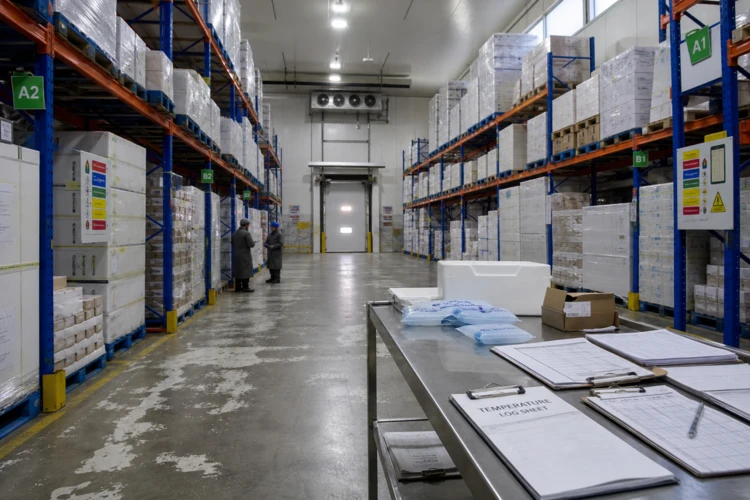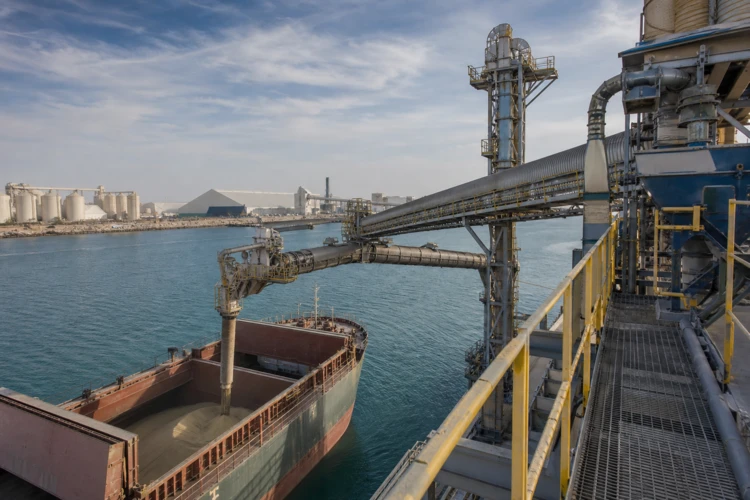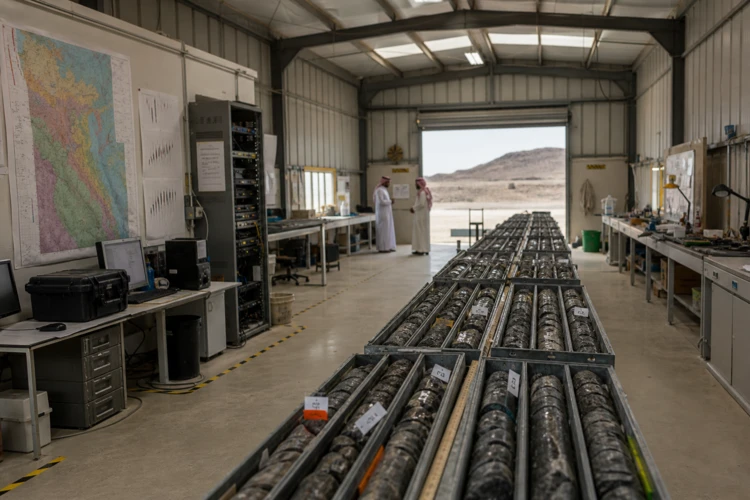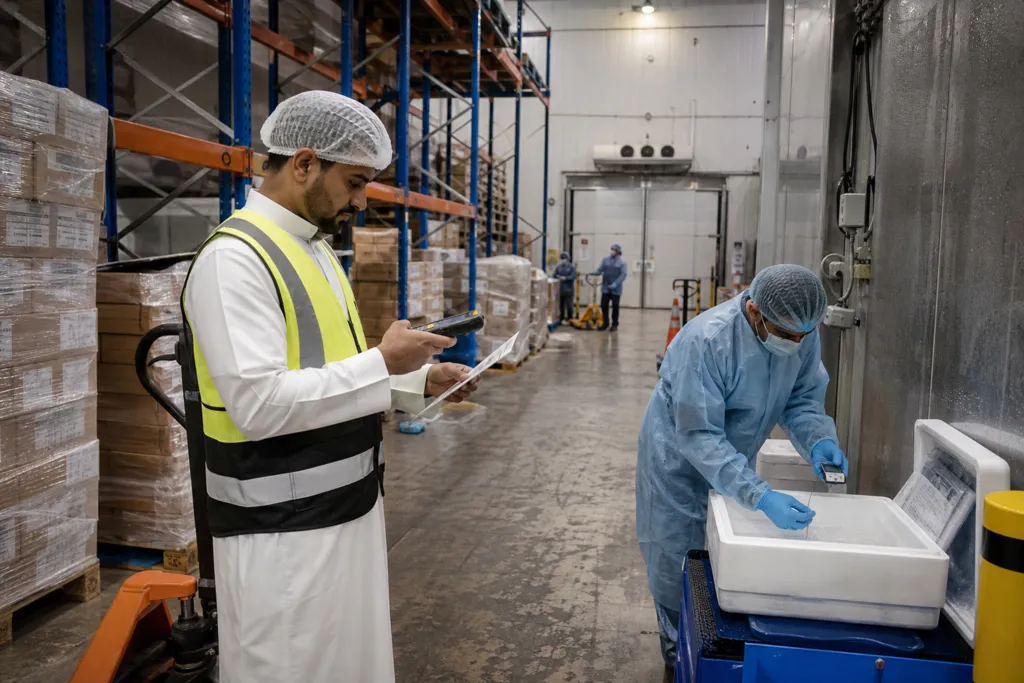
Saudi cold chain logistics is moving from a supporting role to a core capability. Food security initiatives and new agricultural capacity increase the volume of perishables that must stay within tight temperature ranges. At the same time, pharmaceutical growth raises expectations for reliable, compliant storage and transport. One source stresses that sterile conditions and secure cold chains are crucial in the distribution of many medicines. Another notes that cold-chain storage and industrial clusters improve operational reliability, while modern facilities are designed to satisfy international good manufacturing practice (GMP) requirements.
Food security goals are creating more domestic product flows that demand temperature control. PwC data cited in Arab News says Saudi Arabia’s agricultural gross domestic product reached a record SR114 billion ($30.3 billion) in 2024. Yet the same source notes the Kingdom remains a net importer of both food and animal feed, which keeps cross-border cold movements relevant. Investment is also visible inside production systems. A market report states the Agricultural Development Fund distributed approximately USD 220 million on high-tech greenhouses between 2021 and 2025, supporting controlled environment agriculture approaches that often depend on fast, cold distribution.
Pharma Expansion Raises the Bar for Temperature-Controlled Reliability
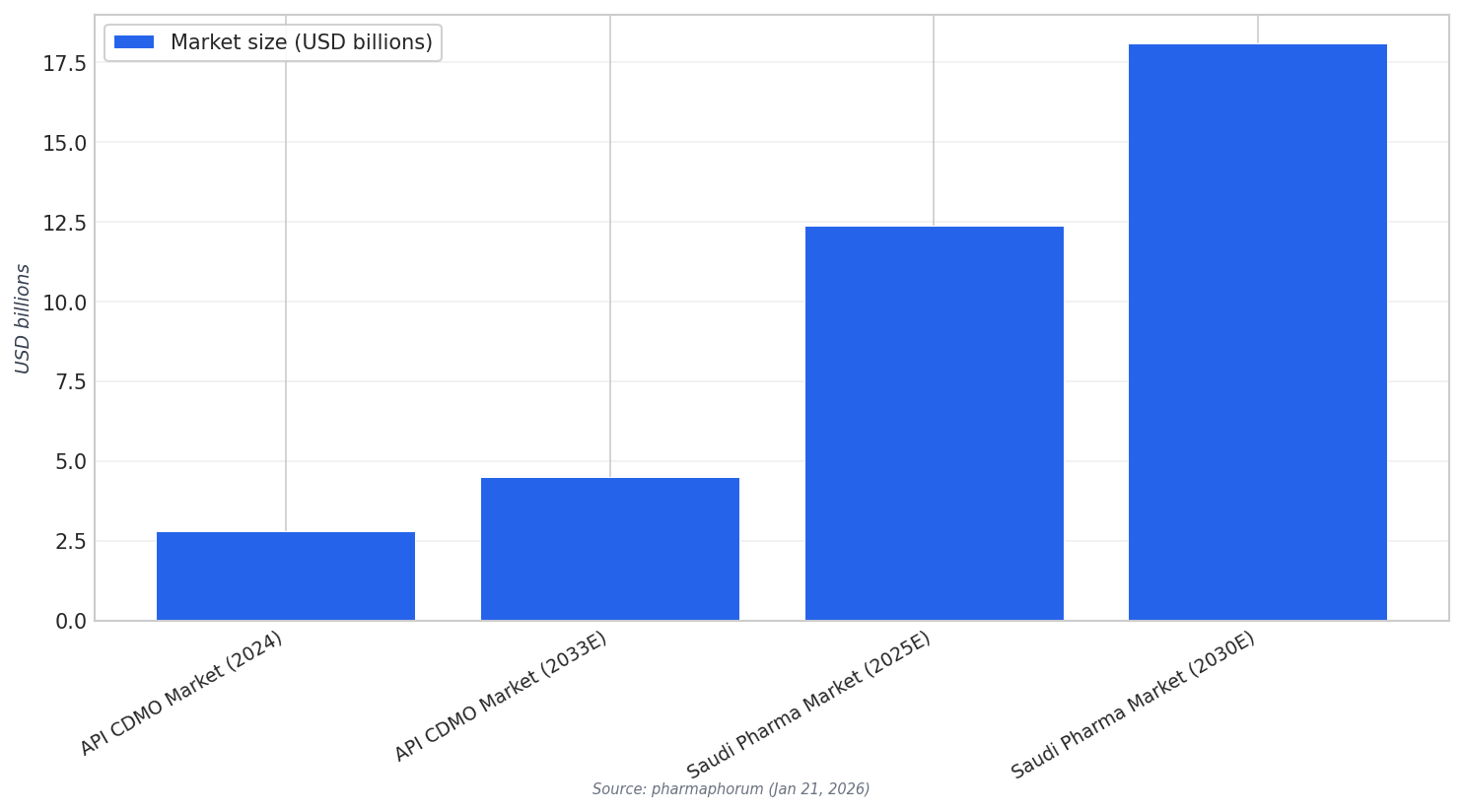
Pharmaceutical manufacturing and outsourcing activity adds urgency to cold-chain readiness. Pharmaphorum reports the active pharmaceutical ingredient (API) CDMO market alone earned over USD $2.8 billion in 2024 and is expected to surpass USD $4.5 billion by 2033. It also projects the Saudi pharmaceutical market at an expected USD $12.4 billion in 2025 and a projected USD $18.1 billion by 2030, at a nearly 8% CAGR. As Saudi CDMOs pursue global relevance, the same source links logistics support, such as cold-chain storage and industrial clusters, with improved operational reliability and GMP-aligned facility design.
Global disruption is also shaping how planners think about capacity. An AFP-syndicated report states customers are requesting increased storage volumes that are essential for production, to ensure availability of raw materials. It also repeats a simple rule: medicines can be worthless if they spoil in a hot warehouse. For large logistics providers, investment signals where demand is heading. DHL plans to invest two billion euros ($2.3 billion) worldwide by 2030 in pharmaceutical logistics. In parallel, the company is expanding cold-chain air freight options for temperature-sensitive medicines and vaccines as part of a $2 billion investment in its DHL Health Logistics business.
Execution now depends on connecting compliance, data, and operations. One DHL statement describes expectations for cold chain solutions that are reliable, compliant, and transparent from end to end, with rising expectations to simplify supply chains and reduce costs. In Saudi Arabia, that aligns with a broader resilience agenda. FedEx highlighted, in an AmCham Saudi Arabia webinar, the need for adaptable networks to maintain cross-border movement and operational continuity as the trade environment becomes more complex. For Saudi cold chain logistics, the opportunity is to align food and pharma priorities around monitored temperature control, stronger storage planning, and infrastructure that supports GMP-grade reliability.
What is driving Saudi cold chain logistics demand right now?
How big is the Saudi pharmaceutical market expected to be?
What numbers show momentum in pharma manufacturing and CDMOs?
Why do secure cold chains matter for medicines?
How does Saudi cold chain logistics connect to GMP expectations?