Saudi Arabia’s industrial policy is widening from early focus areas into a more diverse “second wave” of manufacturing. The National Industrial Strategy (NIS), launched in 2022, sets the framework and identifies 12 priority subsectors, including aerospace and defence and building materials, alongside automotive and mobility and chemicals and specialty materials. The same strategy combines demand-side tools such as government procurement preferences, localisation mandates, and IKTVA requirements with supply-side support such as subsidised industrial land, energy pricing, training subsidies, and financial support programmes. In the 2025 industry guide, the Kingdom’s stated aim is to raise manufacturing’s contribution to GDP from approximately 12% to 20% by 2030. The system already sits on scale, with over 10,000 industrial facilities, a manufacturing labour force exceeding 1 million workers, and annual industrial output surpassing SAR 400 billion.
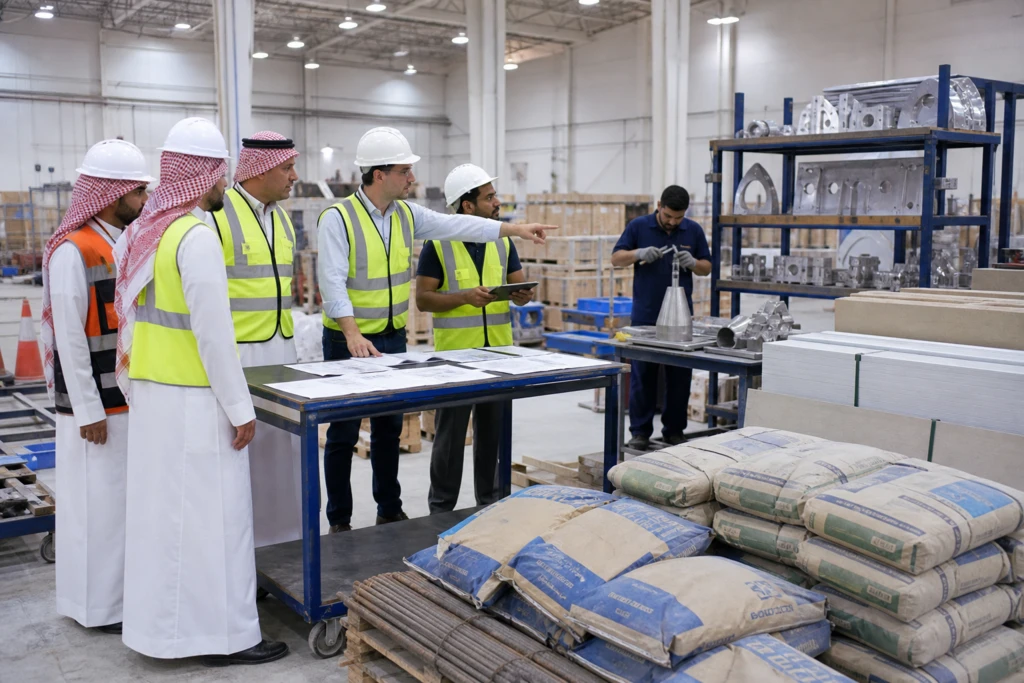
Incentives are also tied to place-making: industrial cities, clusters, and infrastructure designed to shorten time-to-factory. One Vision 2030 diversification analysis cites 40 industrial cities and reiterates a target of 36,000 factories by 2035. MODON’s offer is positioned as practical execution support, with ready-built factories, shared warehouses, and streamlined licensing. In parallel, an establishment guide describes a manufacturing pathway anchored in MISA licensing and compliance, and highlights export incentives and subsidised industrial land in MODON cities. It also points to IKTVA local content certification as a contract-relevant lever for defence and energy supply chains, and notes a large domestic market of 35+ million consumers. Together, these elements explain why the “Saudi Arabia aviation building materials industrial incentives” topic is not one programme, but a linked toolkit spanning procurement rules, localisation scoring, land, and fast-tracked setup.
Aerospace and Construction Pull New Incentives Into Focus
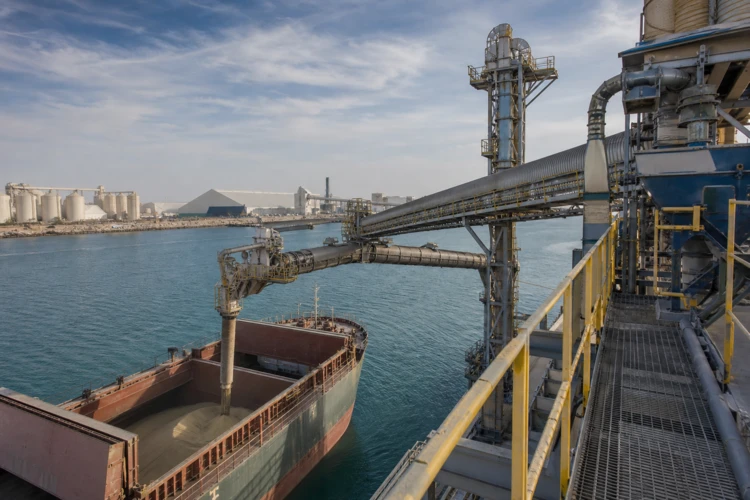
Aviation and aerospace sit inside the NIS priority list through “aerospace and defence,” and the clustering approach is already visible. The diversification analysis highlights Aero Park One in Jeddah as a 1.2 million square meter aerospace cluster focused on defense systems and space technologies. That same source connects clusters to logistics advantages, citing proximity to ports such as King Abdullah Port and Jeddah Islamic Port, and rail links including the North-South Railway and the upcoming Saudi Land Bridge. This matters for aerospace suppliers because incentives are not only financial; they are also embedded in where a factory can operate efficiently and how it can meet localisation requirements tied to procurement and supply-chain participation.
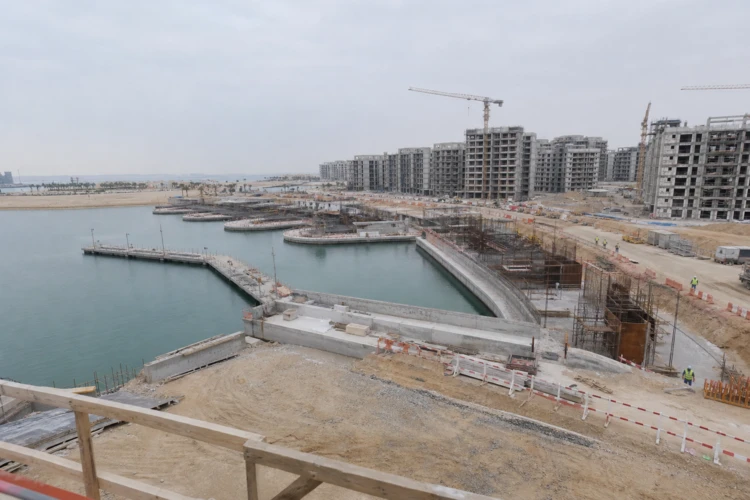
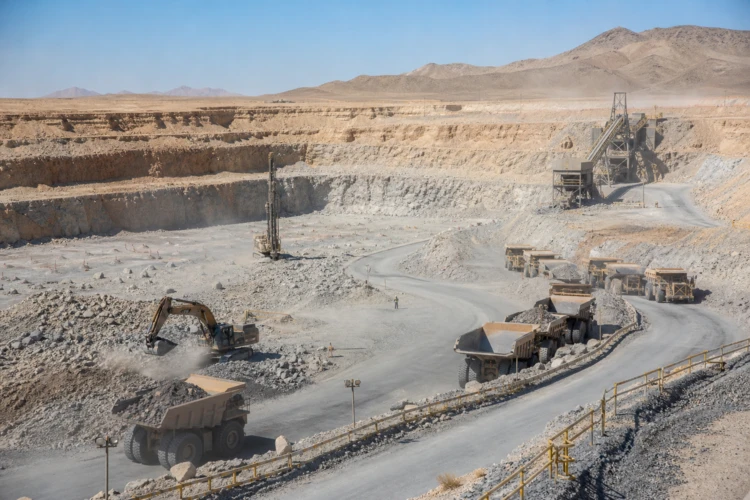
Building materials are pulled forward by construction demand and by the Kingdom’s emphasis on localisation and value-added production. The 2025 industry guide says building materials manufacturing has been “supercharged” by Vision 2030 construction demand and notes that cement production exceeds domestic requirements, with Saudi Arabia among the world’s largest cement producers. Construction-market analysis adds context on where demand concentrates: infrastructure held 36.6% of the Saudi Arabian construction market share in 2025, and Riyadh’s share of the construction market was 36.1% in 2025. That report also states that Red Sea Global inserted index-linked escalation clauses in 2025 awards that reimburse 70% of material hikes above a 5% band, signaling how procurement structures can influence the risk profile for materials suppliers. For manufacturers, the opportunity is not just volume; it is aligning product lines and localisation to the spending patterns that incentives and contracting terms are shaping.
Viewed together, the “second wave” beyond autos and chemicals is really an expansion of the same industrial logic into more subsectors with clear demand anchors. The NIS targets 36,000 new factories and SAR 450 billion in industrial investment by 2035, and it frames roadmaps around production capacity, localisation rates, export volumes, and employment. A separate market overview values the Saudi Arabia manufacturing products and services market at approximately USD 90 billion and lists building materials and cement manufacturing among the key subsegments. Meanwhile, a Vision 2030 diversification analysis reports that in Q2 2025, non-oil activities grew 4.7% year-on-year and contributed 2.7 percentage points to total GDP growth of 3.9%. For investors and operators, the practical takeaway is to map incentives to subsector and location: aerospace clusters to IKTVA-linked supply chains, and building materials capacity to construction-heavy regions and procurement mechanics.
What is driving Saudi Arabia’s shift toward aerospace and building materials incentives?
What concrete aerospace cluster example supports the aviation side of this industrial push?
Which construction indicators signal demand for building materials manufacturing in Saudi Arabia?
How do contracting terms affect building materials suppliers on major projects?
How should companies think about Saudi Arabia’s aviation and building materials industrial incentives as a combined topic?