Saudi Arabia’s halal food strategy is moving beyond domestic supply and into a production-and-export model built around dedicated processing zones, certification, and industrial partnerships. IMARC Group research cited in a market trends report puts the Saudi halal food market at USD 48.5 billion in 2025 and forecasts USD 130.1 billion by 2034, with a CAGR of 11.58% during 2026–2034. That growth narrative is being paired with infrastructure designed to serve overseas buyers, as the country works to become a global reference point for halal exports under its National Strategy for Industry 2030.
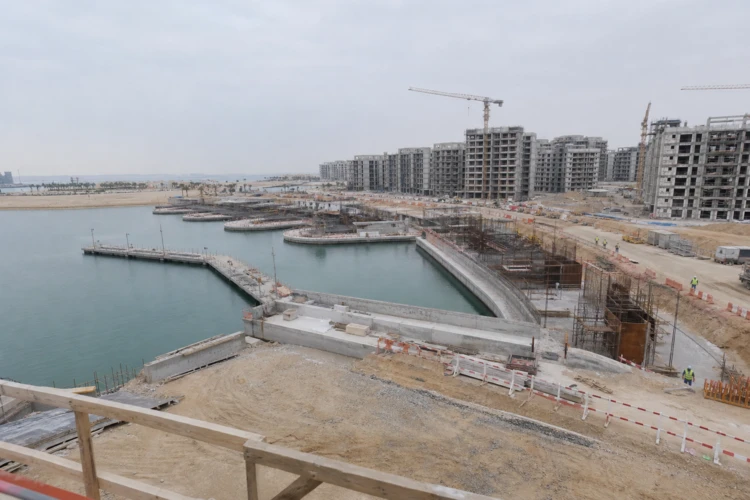
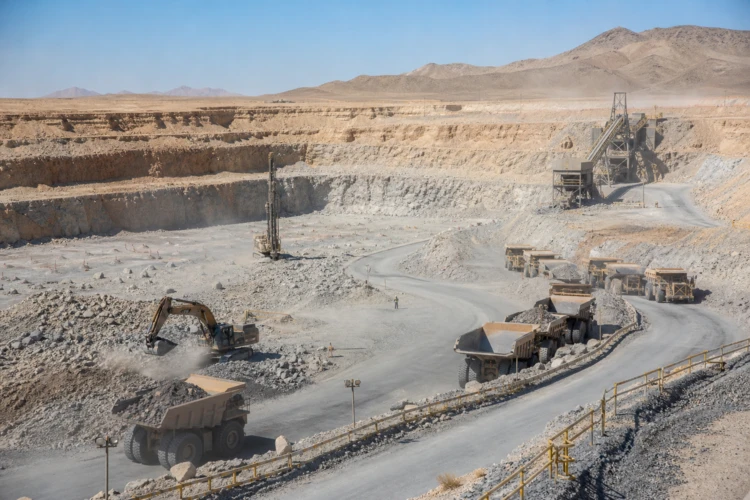
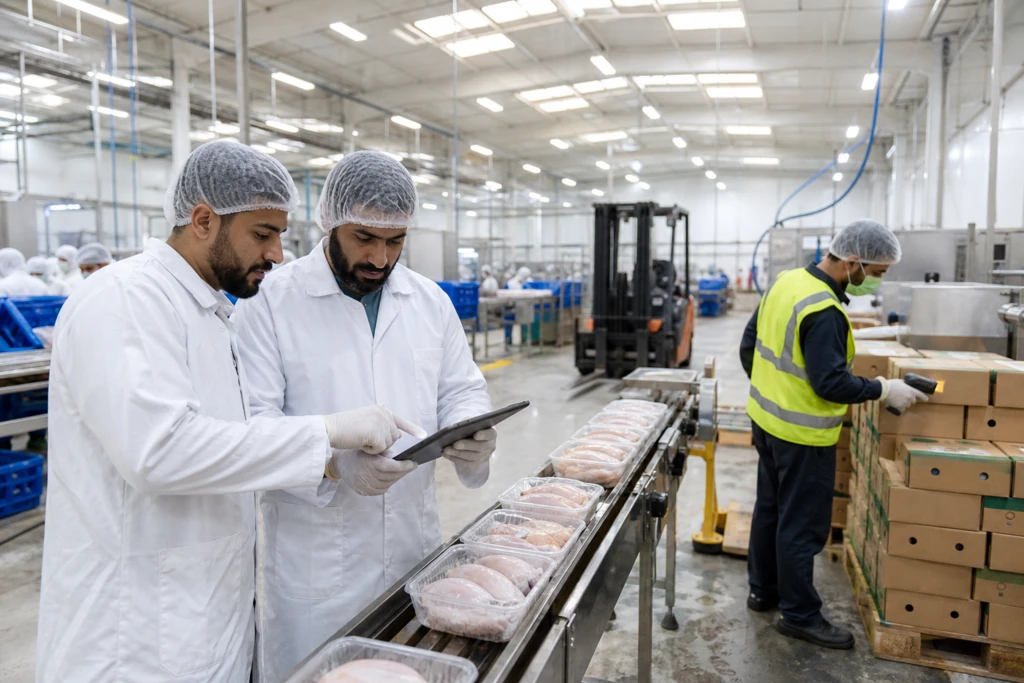
Much of the export ambition is being routed through a network of large industrial sites. Two sources describe a government investment of USD 6.2 billion in 12 mega halal food processing hubs, including the Sudair Halal Food Zone with capacity to process 1.2 million poultry units daily. Those hubs sit alongside institutional tools meant to support scale. The Public Investment Fund launched the Halal Products Development Company (HPDC) in 2022, with a target of 85% localization of food requirements. Separately, one market report states that in 2023 HPDC signed 12 joint ventures with international food processors, targeting export volumes of over 500,000 metric tons annually.
Certification Tech Is Becoming Part of the Export Infrastructure
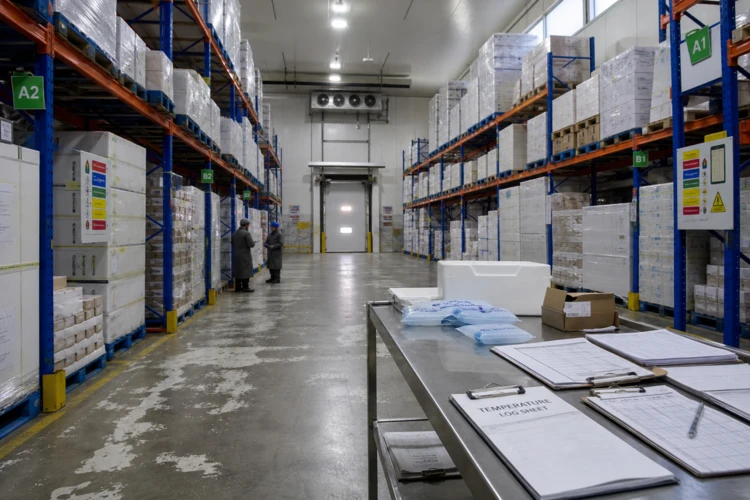
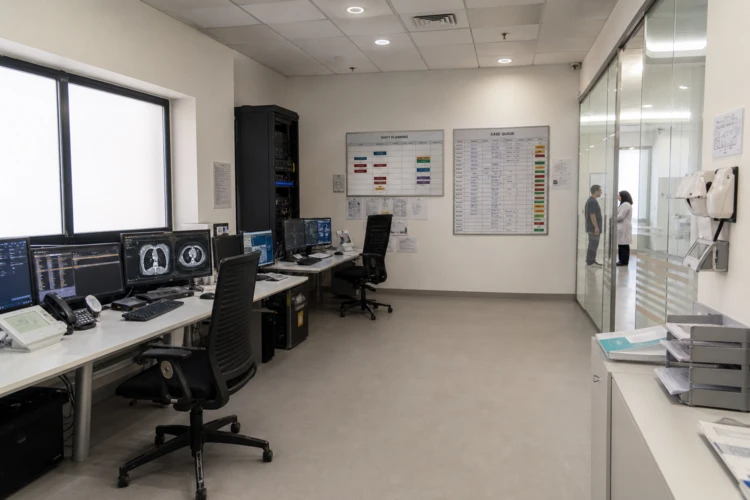
Saudi Arabia is also leaning on technology to make “export-ready” synonymous with “verifiably halal.” Two sources say the Saudi Halal Blockchain Project is monitoring 18% of meat imports, enabling real-time verification aimed at building consumer trust. They also report that AI-driven certification and compliance systems have reduced processing times by 40%. In practical terms, this type of digitized assurance supports the hub model by reducing bottlenecks in complex, multi-supplier supply chains. It also complements strict compliance infrastructure referenced through the SFDA and the Saudi Halal Center, which are described as underpinning rigorous certification standards.
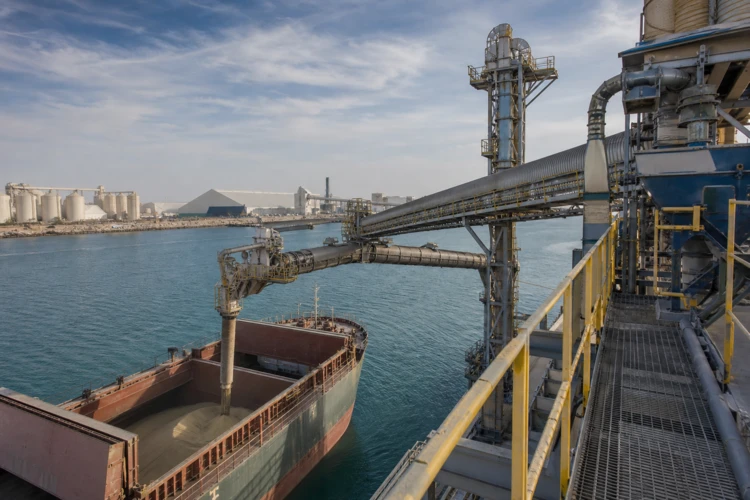
Export momentum is already being cited in headline figures. One source reports that Saudi halal food exports surged to USD 9.8 billion in 2023, led by dates, poultry, and dairy. Demand signals at home also matter because they help justify industrial capacity. A trends report notes Saudi Arabia welcomed 60.9 million tourists in early 2025, creating hospitality demand for diverse halal offerings. It also states spending on halal lifestyle products reached SAR 623.7 billion (USD 166.3 billion) and that 92% of Saudis ranked the Kingdom among top halal product origins—an indicator of local confidence that can support brand credibility abroad.
In the wider competitive landscape, multiple regions are tightening halal rules and digitizing workflows, raising the bar for exporters. Mordor Intelligence notes Indonesia’s mandatory halal certification was enforced from October 17, 2024 and that BPJPH processed over 1 million certificates within the first year. It also reports Malaysia’s MyHalal Portal launched in 2025 and reduced average approval times by 30%. Against this backdrop, the 2026 outlook for Saudi Arabia halal food export hubs is increasingly tied to scale, speed, and proof—processing capacity in mega hubs, faster certification cycles, and traceability systems that buyers can verify in real time.
What is driving Saudi Arabia’s move toward halal food export hubs in 2026?
How big is the investment in Saudi Arabia’s halal processing hub network?
What role does HPDC play in building export capacity?
How is technology changing halal certification and verification in Saudi Arabia?
What export figure is cited for Saudi halal food shipments?