Saudi Arabia’s push to localize MedTech is happening while device demand rises across the Kingdom. Data Bridge Market Research values the KSA medical device market at USD 3.32 billion in 2025 and expects it to reach USD 5.73 billion by 2033, at a 7.1% CAGR. The same source notes that imported products still dominate, especially high-end and technologically advanced equipment, even as local manufacturing expands through localization initiatives and public-private partnerships. For medical device makers, this sets the core opportunity: build local capability in areas where hospitals and clinics are modernizing and where demand for diagnostics, monitoring, and therapeutic devices is growing.
Several sources connect localization to direct government action. Trade.gov states Saudi Arabia is seeking to reposition itself from producing low-value commodities such as bandages, gloves, and syringes toward high-value medical products by offering financial incentives to encourage local manufacturing. This is the operating context for Saudi Arabia medical device manufacturing incentives and for the “second-batch” idea: not simply supporting more output, but shifting the mix toward more advanced products and more local value added. MarketDataForecast adds a hard indicator of the gap, citing SFDA data that domestic manufacturing remains below 15% of total consumption, even as Saudi Arabia attempts to localize production through industrial incentives.
Why Incentives Matter: Procurement, Regulation, and the Localization Gap
Incentives work faster when procurement and regulation reinforce them. Trade.gov says government spending accounts for over 60% of the country’s healthcare expenditure and identifies NUPCO as responsible for centralized procurement of pharmaceutical and medical supplies, plus supply chain and logistics for all public healthcare providers. It also notes that only prequalified companies are invited to submit bids, and that foreign companies must register with NUPCO and register medical products with the SFDA. Separately, Data Bridge highlights SFDA supervision that ensures product quality, safety, and compliance with international standards. For device makers, the localization play is not only about manufacturing; it is also about becoming bid-ready, registered, and operationally aligned with public buyers.
The growth story is also regional, with Saudi Arabia positioned as a major market. MedDeviceGuide reports the MENA medical device market was valued at $24.61 billion in 2025 and is projected to reach $34.95 billion by 2032 at a 5.1% CAGR, citing Fortune Business Insights. It describes Saudi Arabia as commanding 22.5% of the overall MEA medical devices market and highlights SAR 260 billion ($69.3 billion) allocated to health and social development in the 2025 national budget. The same source points to Saudi Arabia’s Global Health Exhibition (GHE) 2025 in Riyadh generating $35.5 billion in signed deals and partnerships, with over 130,000 attendees, 2,200 exhibiting brands, and 600+ speakers from 25 countries. These signals support an incentives thesis: the market is scaling, and investment attention is already concentrated.
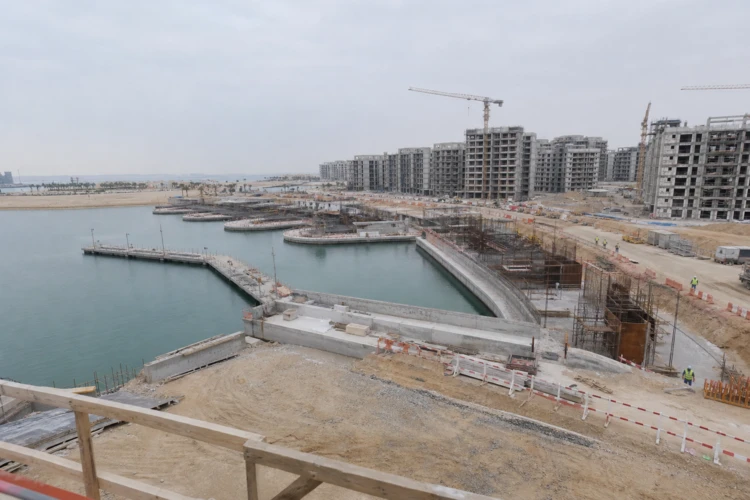
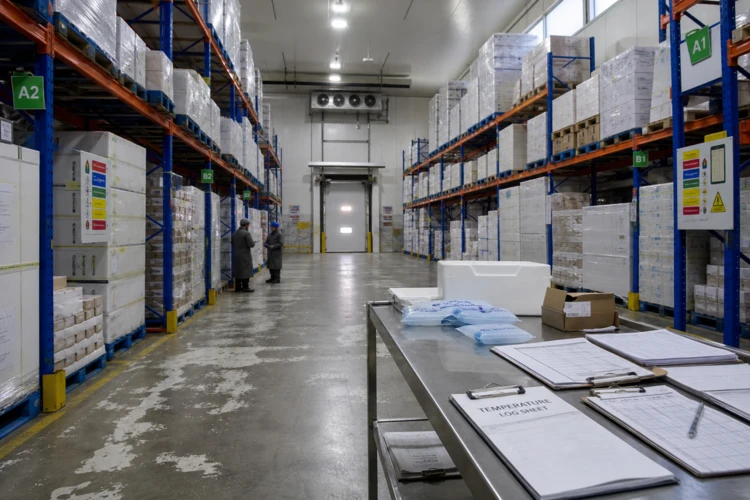
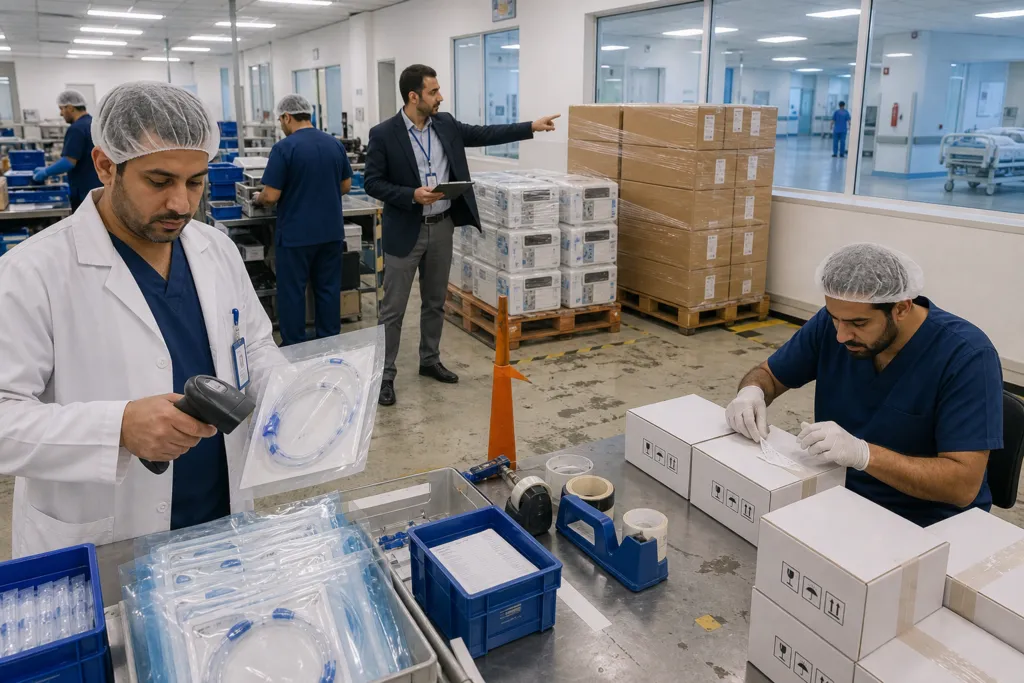
What does localization look like in practice for manufacturers responding to these signals? A Saudi market consulting case study describes a local producer moving from low-value disposable supplies toward higher-value devices by establishing a manufacturing and assembly facility with modern machinery and clean-room environments, and by seeking technology licensing or a joint venture to obtain designs and training. The plan included a quality management system aiming for ISO 13485 certification to meet SFDA standards, and a phased approach: first assembling imported kits locally, then increasing domestic component manufacturing as expertise grows. Data Bridge adds product-direction detail by noting the Diagnostic Devices segment is projected to dominate in 2025 with a 29.85% share. Together, these points show how incentives can translate into concrete factory, compliance, and product decisions.
What are Saudi Arabia’s medical device manufacturing incentives trying to achieve?
How large is the KSA medical device market, and what is the growth outlook?
How much of Saudi Arabia’s medical device consumption is made domestically?
What role does NUPCO play for device makers targeting public tenders?
Which device segment is projected to lead the KSA market in 2025?