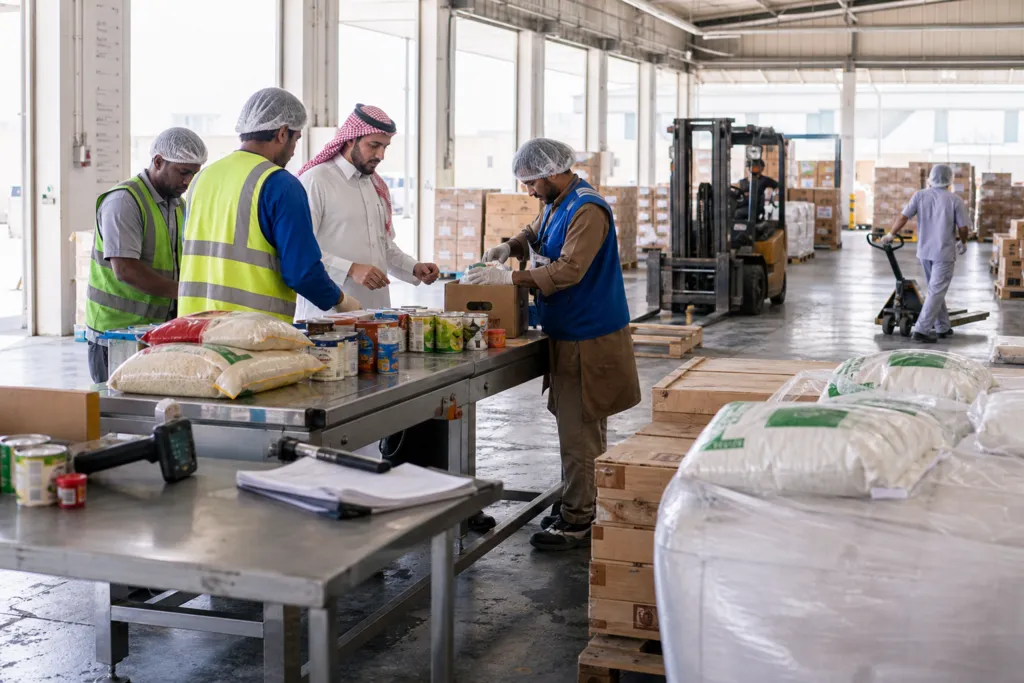
Saudi Arabia food security is often discussed through two connected levers: localization clusters and import substitution. The sources provided do not include food output, self-sufficiency rates, or category-level import breakdowns for food. They do, however, highlight the scale of imports into the Gulf and the broader industrial expansion context that typically supports localization. In a Kearney report focused on local production prioritization, the UAE and Saudi Arabia together imported more than $680 billion worth of goods in 2023. That single figure is important context for any import-substitution narrative, because it signals how large the overall import base is before narrowing into specific consumer and food categories.
In practical terms, localization clusters are a way to concentrate capabilities in specific places and value chains. While the sources do not list Saudi cluster locations or target food segments, the logic remains consistent with what is documented: a large import footprint creates an incentive to prioritize local production in selected consumer categories. Import substitution, in this constrained source set, can only be described at a directional level: replacing a share of imported goods with locally produced goods. The Kearney source also frames the UAE and Saudi Arabia as two of the Middle East’s largest importers, reinforcing why policy, industry, and capital may focus on building local capacity rather than relying solely on inbound supply.
How Industrial Expansion Links to Localization
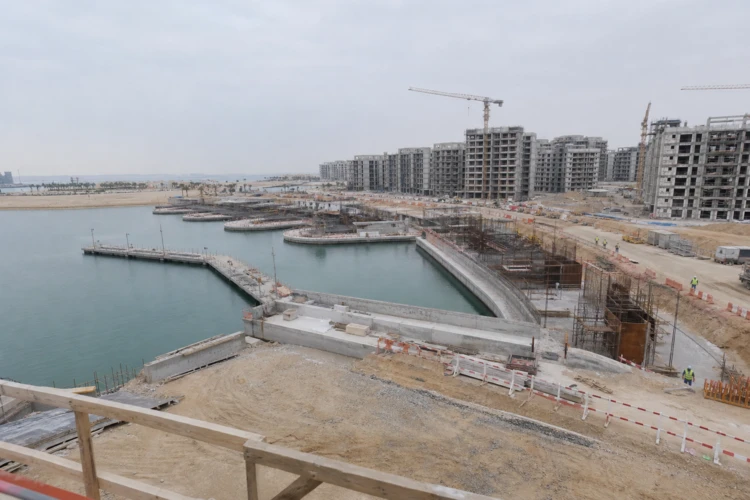
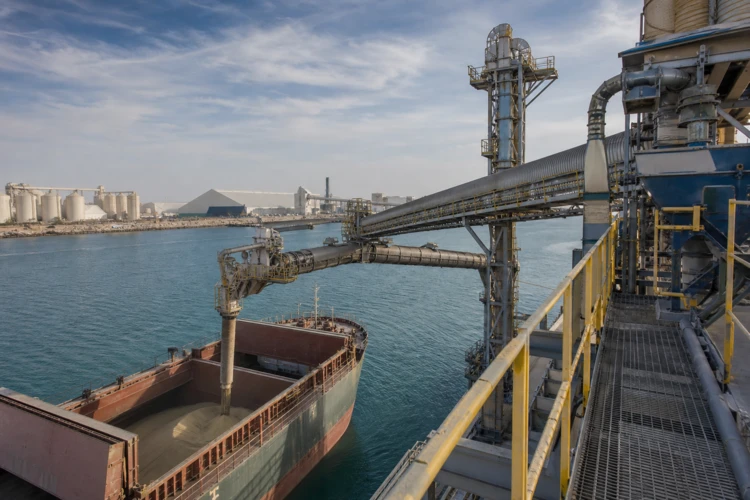
Food security localization clusters do not operate in isolation. They depend on industrial expansion that improves the enabling environment for local production, processing, and supply chain build-out. One of the provided sources describes Saudi Arabia’s “unprecedented industrial expansion,” framing it as part of broader global transformations where emerging markets leverage industrial development. The article does not provide quantified industrial growth metrics, but it is still relevant to Saudi Arabia food security strategy as background: localization requires industrial inputs, logistics, and coordinated investment. With only qualitative statements available in the sources, the safest conclusion is that industrial momentum is being positioned as a platform that could support localization aims, including in consumer-oriented categories.
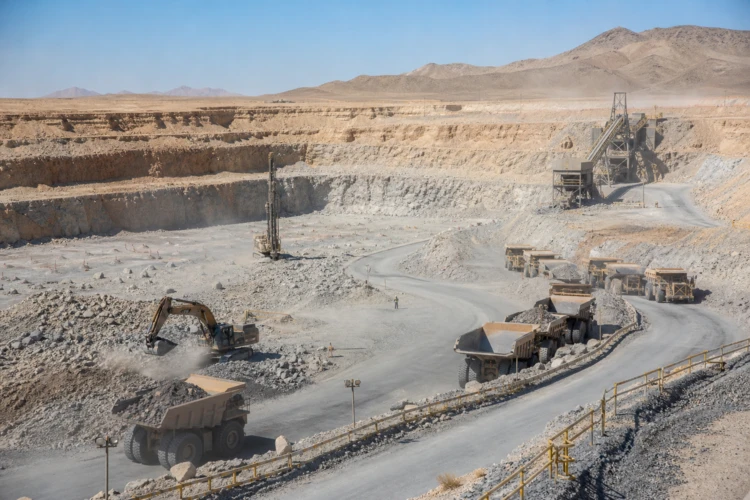
Another enabling layer is domestic resource mapping and discovery, which can feed into long-term industrial planning even when it is not directly food-specific in the sources. A separate source reports that Saudi Arabia’s 2024 mining discoveries include 5651 mineral sites across metallic and non-metallic categories. This does not translate directly into food production data, and it should not be treated as such. Yet it does indicate a scale of identified resource sites that can underpin industrial materials, infrastructure development, and potentially packaging or processing inputs over time. In a localization cluster model, those upstream capabilities can matter, even if the immediate food security outcomes are not quantified here.
Because the sources do not provide food-category import values, the most responsible approach is to describe an analytical framework rather than claim specific results. Start with the documented baseline: the UAE and Saudi Arabia imported more than $680 billion of goods in 2023. Then, for Saudi Arabia food security, narrow to the consumer and food segments once category data is available from official or audited sources. Finally, evaluate which localization clusters can most credibly substitute imports, taking into account industrial expansion signals and the broader ecosystem capacity implied by large-scale resource identification such as the 5651 mineral sites reported for 2024. This keeps the discussion aligned with evidence, while still explaining how localization and import substitution typically connect.
The key constraint in the provided materials is that they do not quantify food imports, domestic food output, storage capacity, or localized production share. As a result, this article cannot rank food categories, estimate substitution impact, or forecast timelines without adding unsupported data. What can be stated, based strictly on the sources, is that the combined import scale in 2023 is more than $680 billion, that Saudi industrial expansion is described as unprecedented, and that 2024 mining discoveries include 5651 mineral sites. Together, these points provide context for why Saudi Arabia food security discussions may emphasize localization clusters and import substitution, even though the food-specific metrics are not included here.
What is the only quantified import figure in the sources relevant to this discussion?
How does this article define localization clusters for Saudi Arabia food security?
What do the sources say about Saudi Arabia’s industrial direction?
What specific resource-discovery statistic is included, and what year does it refer to?