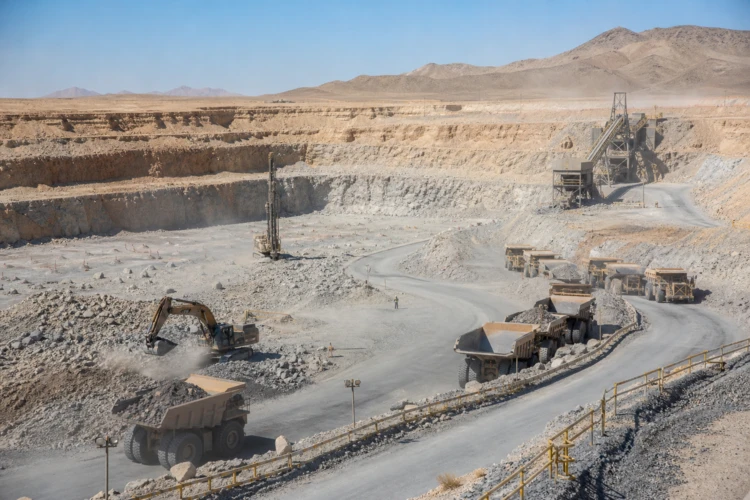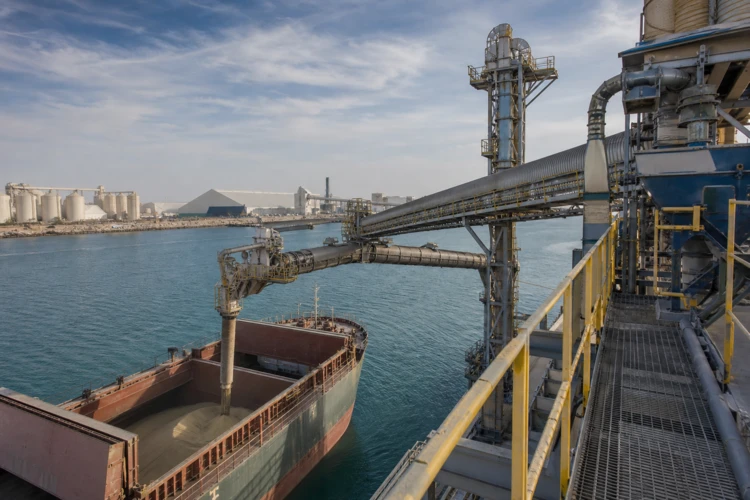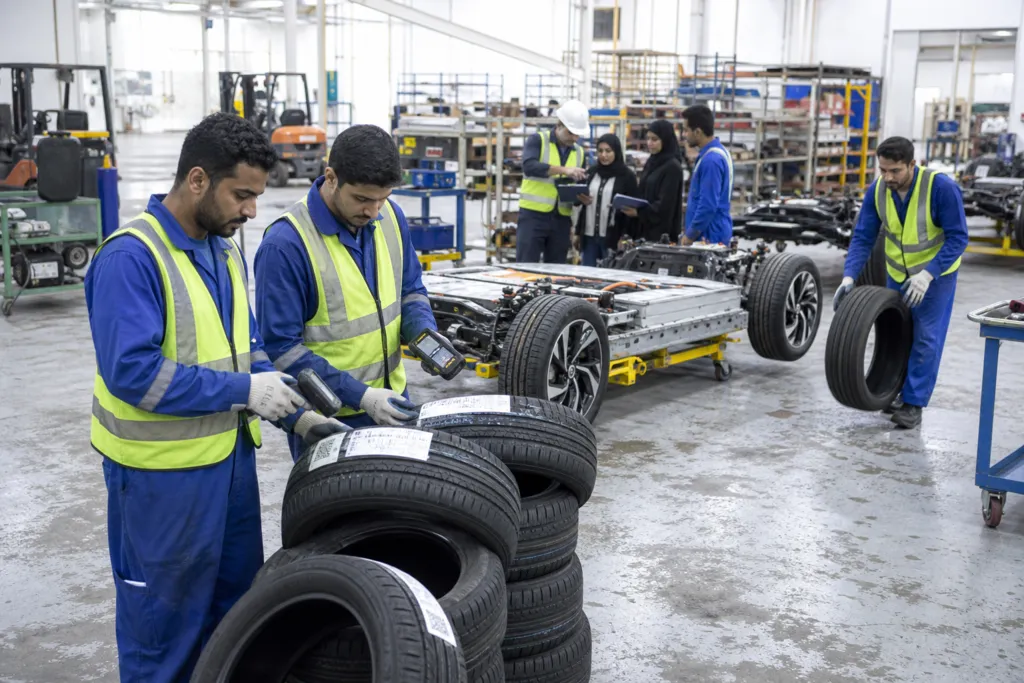
The Saudi automotive market in 2026 sits inside a wider national push toward more complex local production. Recent data shows Saudi Arabia’s industrial base expanded in both scale and sophistication, with industrial activity reaching record levels in 2025. By the third quarter of 2025, non-oil business activity rose 48% year-on-year, signaling a broadening private sector. This matters for automotive because localization requires supply chains, skills, and consistent industrial output. It also aligns with a broader economic direction where non-oil sectors account for around 56% of Saudi Arabia’s SAR 4.7 trillion economy.
Localization is also visible through measurable change in adjacent sectors. In the defense sector, localization rose from 4% in 2018 to nearly 20% by the end of 2023. Automotive is not the same sector, but the trend indicates an operating environment where local capability is being built and measured. Over the past five years, the range of manufactured goods expanded to 612 in 2024, which is 54 more than in 2020. The number of complex, knowledge-intensive products increased from 100 in 2020 to 123 in 2024, reinforcing the direction of travel toward higher-value production.
Shifting Demand: Sustainability, Urbanization, and EV Interest
On the demand side, tire-market signals offer a practical window into how drivers and fleets are changing their priorities. Commercial vehicles and heavy-duty trucks are witnessing growing demand for durable and high-performance tires. At the same time, the shift toward eco-friendly and sustainable tires is gaining momentum among consumers. Urbanization in key Saudi cities like Riyadh and Jeddah is accelerating the growth of the tire market. Government initiatives aimed at enhancing road infrastructure and expanding road networks are also contributing to tire demand, alongside an increasing number of vehicles on the roads.
Demand is not only urban. The same tire-market coverage notes that demand in rural areas is also growing due to increasing adoption of personal and commercial vehicles in less densely populated regions. Rural development initiatives by the Saudi government are likely to continue to stimulate demand in these areas. For the Saudi automotive market in 2026, this combination creates a two-speed landscape: city-led replacement and performance needs, and broader geographic expansion of vehicle usage that increases baseline service and maintenance requirements.
Electrification interest is also visible through regional market projections. According to IMARC Group, the GCC electric vehicles market size reached 40.3 thousand units in 2024 and is expected to reach 97.3 thousand units by 2033, exhibiting a growth rate of 9.3% during 2025–2033. This is a GCC-wide lens rather than Saudi-only numbers, but it frames the consumer pull toward EVs that regional OEMs, dealers, and suppliers must plan for. In parallel, Saudi industrial development is being supported by licensing momentum, including 1,365 new industrial licenses issued in 2023, marking a 35% increase from the previous year.
What is driving localization momentum around the Saudi automotive market in 2026?
What consumer trends are visible in tires in Saudi Arabia?
Is demand growth limited to Riyadh and Jeddah?
How does the GCC EV outlook relate to the Saudi automotive market?