Saudi cloud region launches matter because they change where systems and data can live, and how quickly enterprises can meet local requirements. Up to 2022, organizations in the Gulf using AWS had their systems and data hosted on servers outside the region. AWS launched its first Middle East cloud region in the UAE in 2022, and in Saudi Arabia the roll-out of a Cloud Region has commenced and is expected to be fully operational by 2026. For buyers, that timeline is a planning signal. It shapes migration sequencing, contract terms, and compliance work tied to local data hosting.
The broader infrastructure backdrop is expanding quickly. The Saudi Arabian data center market is projected to rise from $1.33 billion in 2024 to $3.9 billion by 2030, representing a CAGR of 19.6%. That growth context is linked in reporting to substantial investments from hyperscalers such as Google, Amazon Web Services, Microsoft, and Oracle, and to large-scale projects like NEOM and LEAP Riyadh 2025. Enterprise buyers should interpret this as a supply-side trend. More local facilities can support lower latency and more in-country operational options, but procurement still needs to validate what is available for specific workloads.
How Local Data Centre Buildouts Translate Into Buyer Options
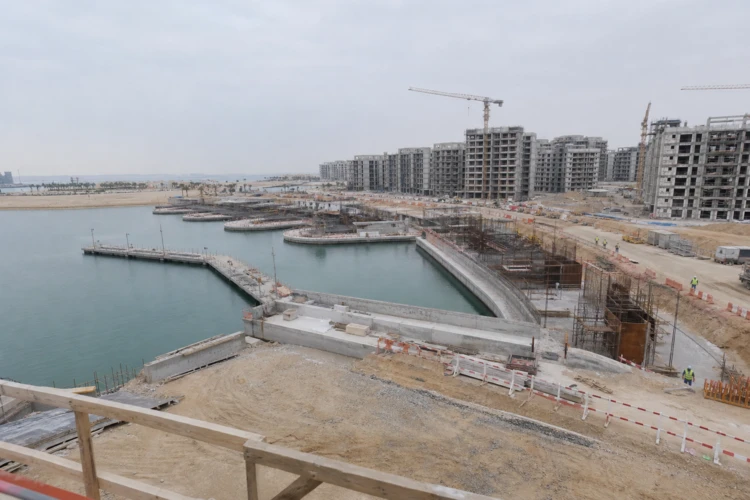
Local buildouts are not abstract. STC subsidiary center3, established in late 2022, already operates more than 25 data centers across Saudi Arabia. It has invested approximately $3 billion in its existing infrastructure and plans to inject an additional $10 billion into developing new, high-density, hyperscaler-ready data centres by the end of the decade. center3 has also expanded the Khurais data center in Riyadh, adding 9.6 MW of capacity. These moves are described as supporting hyperscaler and cloud growth, and meeting enterprise and government requirements for ultra-low-latency and secure infrastructure.
Capacity targets provide another way to read the market. center3 unveiled plans to expand its data centre infrastructure to reach a total capacity of 1 Gigawatt by 2030, with facilities designed to support AI workloads and high-performance computing (HPC) and located across Saudi Arabia, Bahrain, and other international markets. Separately, Saudi Arabia has set a target of developing up to 1.5 gigawatts of data center capacity by 2030, according to a market intelligence report cited by the US International Trade Administration. For buyers, the key takeaway is that multiple capacity agendas can coexist, so diligence should separate national targets from specific supplier roadmaps.
Buyer value also shows up in partner ecosystems that ride on region availability. IBM said it will offer its technology portfolio as SaaS on AWS cloud regions in the UAE and Saudi Arabia, with the stated intent of helping organizations accelerate digital transformation while meeting local compliance and data-hosting requirements. That positioning aligns with the practical meaning of Saudi cloud region launches: more options to keep workloads closer to users and regulators, and more packaged enterprise software delivered in-region. Enterprises can use this moment to reassess vendor lock-in risk, exit clauses, and where critical data sets must reside.
Finally, enterprises should view the Saudi footprint story through the lens of power and AI infrastructure momentum. CNBC reported that Saudi Arabia’s vast energy resources are leading major technology firms to announce infrastructure deals in the region. In a separate report, Middle East Eye said Trump approved Nvidia selling 18,000 of its newest “Blackwell” chips to Humain. These signals do not replace cloud-region due diligence, but they contextualize why hyperscaler footprints are being pursued. For buyers, the most actionable step is to map compliance, latency, and resilience requirements to what is live now versus what is expected to become operational by 2026 and beyond.
What do Saudi cloud region launches change for enterprise buyers?
When is the AWS Cloud Region in Saudi Arabia expected to be fully operational?
How fast is the Saudi data center market projected to grow?
What local infrastructure signals should buyers watch besides hyperscalers?
What capacity targets are being discussed for Saudi data centres by 2030?