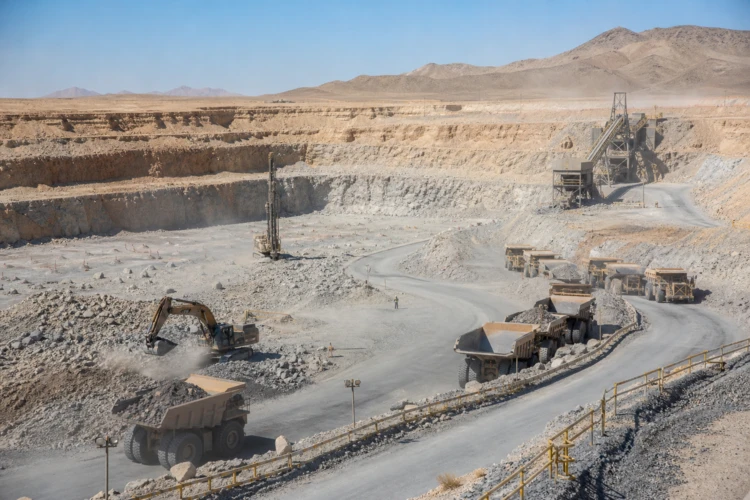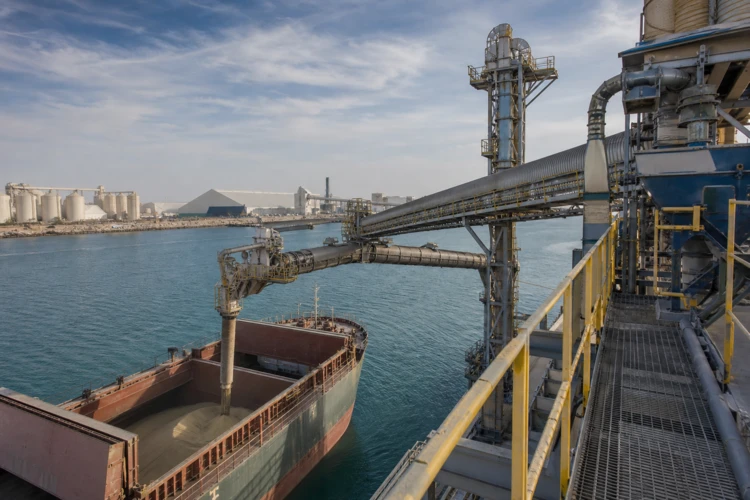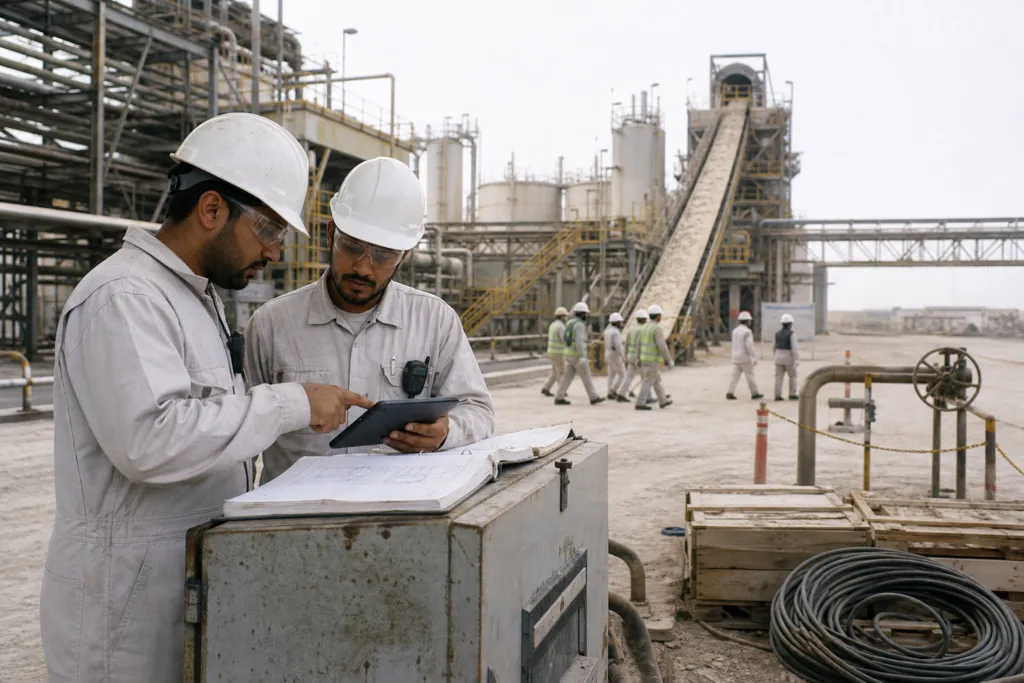
Saudi Arabia is positioning mining as a major engine of economic diversification, and phosphate is one of the resources repeatedly highlighted in that push. One report says mining is the “third pillar” of Vision 2030, alongside the broader aim to draw in companies and build the country into a hub for the sector. Another analysis notes that Vision 2030 explicitly names mining as a critical growth sector, while the Kingdom estimates its mineral resources at over US$1.3 trillion. In that landscape, the Saudi Arabia phosphate market is closely tied to the plans of the state-controlled miner Maaden and to large-scale investment aimed at ramping output and exports.
Maaden’s chief executive Bob Wilt told Semafor the company will invest $110 billion over the next decade to boost production of phosphates, aluminium, and gold. The same interview laid out a specific scale target: Maaden plans to triple its phosphate and gold business and double its aluminium business. Wilt also said Maaden has “eight megaprojects on the books right now,” with two already underway and six in various stages of planning. He framed the strategy around exports and import substitution, saying the investments can help the balance of payments by increasing phosphate exports and reducing aluminium imports, while Saudi Arabia expands infrastructure such as data centers, homes, and stadiums.
Phosphate 3 and Wa'ad Al-Shamal: The Execution Test
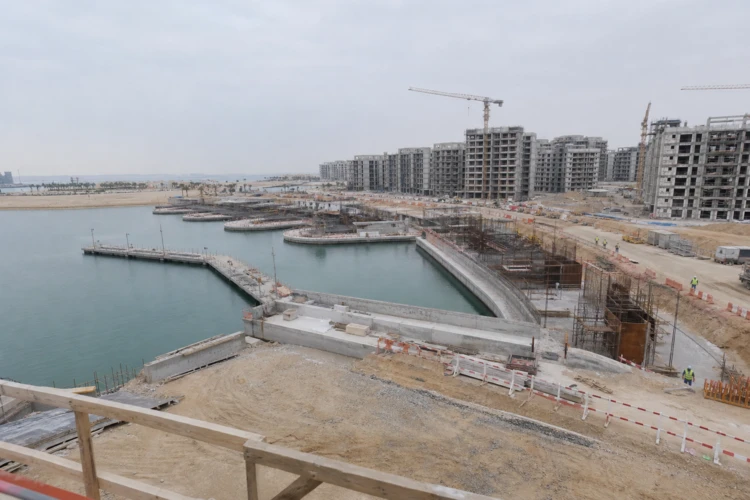
Execution is increasingly measured in project schedules and capacity additions. Reuters, via Zawya, reported that Maaden set 2026 capital expenditure guidance at 15.5 billion Saudi riyals ($4.13 billion). The capex includes SAR 12.6 billion ($3.4 billion) for growth projects, and it specifically mentions the completion and commissioning of phase 1 of the Phosphate 3 project. Phase one of the Phosphate 3 mega-complex is expected to be completed by the end of 2026, with production starting in 2027. The same report says the plant will add 1.5 million tonnes annual capacity by the end of 2026, anchoring the near-term buildout that supports Maaden’s longer-run target to triple its phosphate business.
Financial performance has also been linked to phosphate volumes and pricing, which can influence funding confidence for expansion. Asharq Al Awsat reported Maaden’s net profit for a quarter jumped 88% year-on-year, driven mainly by stronger product prices, higher sales volumes in the phosphate and gold segments, positive contributions from joint ventures, and lower financing costs. The same item reported Maaden’s net profit increased by SAR 898 million ($239.5 million), supported by a SAR 1.336 billion ($356.3 million) boost in gross profit, described as a 61% rise. While these figures are quarterly results, they show how phosphate-linked sales volumes and pricing are presented as material drivers as Maaden accelerates growth projects.
At the national level, multiple sources describe ambitious targets for mining’s role in the economy. Bloomberg reported the broader Saudi goal is to quadruple mining’s economic contributions by 2030. Mining.com.au separately reported that under Vision 2030, mining’s direct and indirect contribution to GDP is expected to triple by 2030, supported by 38 strategic initiatives aimed at building integrated value chains and attracting foreign capital. These parallel ambitions help explain why Maaden’s phosphate expansion is framed as strategic, not only commercial. Wilt said, “We want to be world champions,” focusing on strategic impact, downstream development, boosting GDP, and helping the balance of payments—an agenda that keeps the Saudi Arabia phosphate market central to the industrial story.
What is Maaden planning for the Saudi Arabia phosphate market?
What is Phosphate 3 expected to add in capacity?
How much capex did Maaden guide for 2026?
How is Saudi Arabia framing mining within Vision 2030?