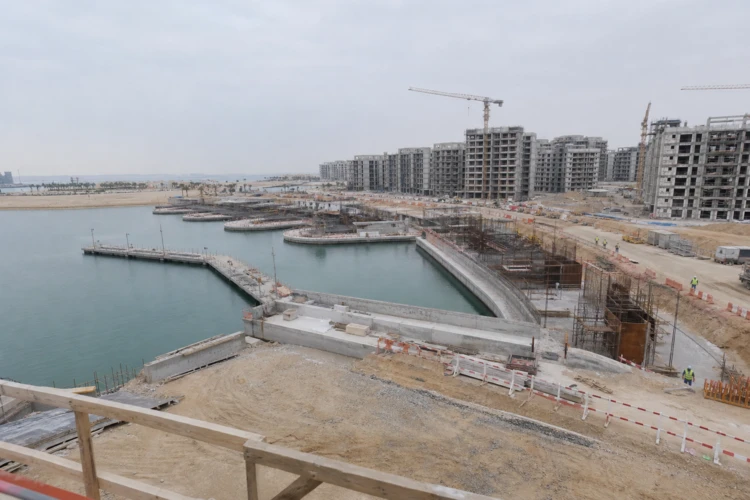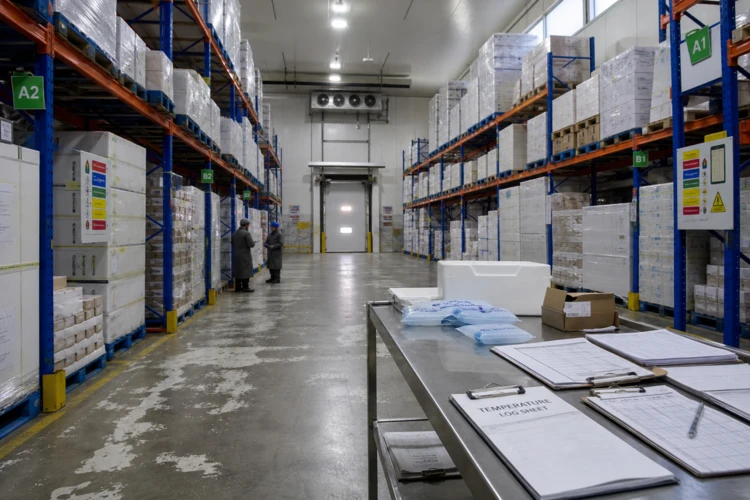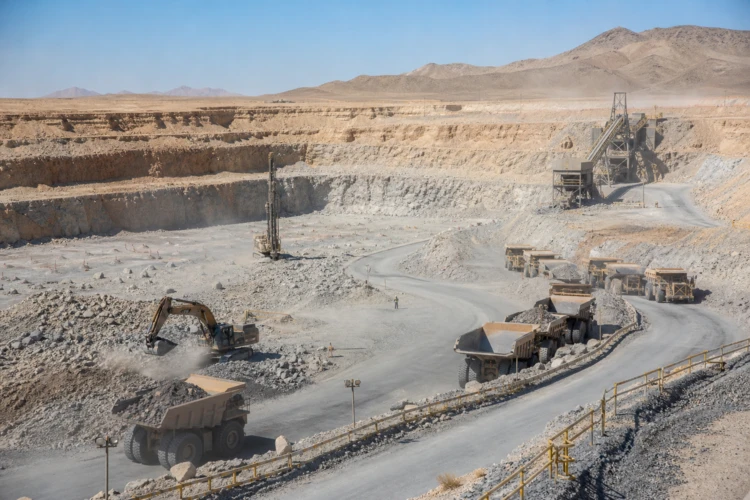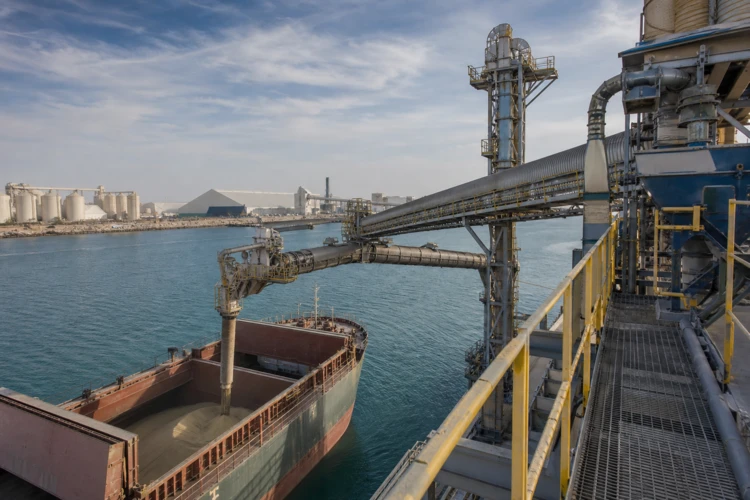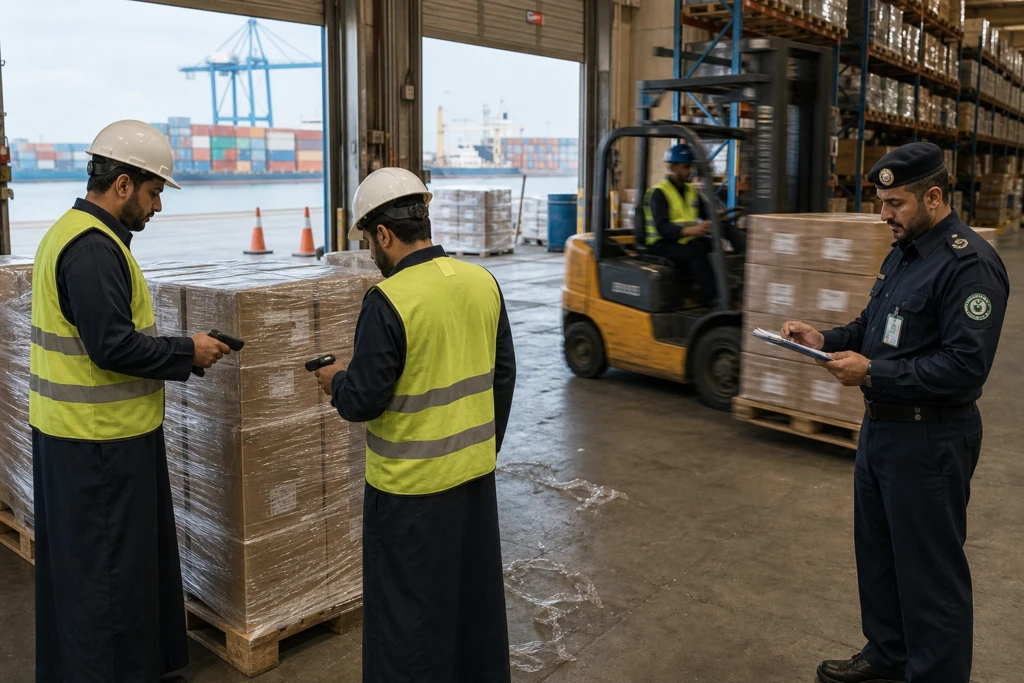
Saudi Arabia’s push to capture Red Sea and Gulf trade growth is increasingly tied to how fast it can build and activate logistics zones linked to ports, roads, rail corridors, and airports. According to the 2024 Warehousing and Logistics Statistics cited by Makreo Research, the Kingdom operated 23 activated logistics centres spanning approximately 34.6 million m². The Makkah Region alone accounted for around 20.4 million m² across six logistics centres, supported by access to major Red Sea trade gateways and port-connected logistics zones. This footprint matters because Saudi Arabia sits along the Arabian Gulf and the Red Sea, corridors through which nearly 13% of global trade flows, reinforcing the Kingdom’s role in international freight and supply chain networks.
Operational indicators show why ports are accelerating zone development and modernization efforts. In September 2025, Saudi ports handled 22.52 million tonnes of cargo, an 8.6% increase year-on-year, according to Saudi Logistics Consulting. That total included 1.22 million tonnes of general cargo, 5.7 million tonnes of dry bulk, and 15.6 million tonnes of liquid bulk. The same month also recorded 1,001 vessels docking, up 1.11% from the previous year, while passenger numbers rose 58.56% to 71,376 travelers. These gains help explain the focus on port expansion, automation, and digital logistics as part of broader infrastructure upgrades.
How Zones, Corridors, and Customs Are Compressing Transit Time
Saudi Arabia’s port logistics story is not only about waterfront capacity. It is also about connecting gateways to inland hubs and neighboring markets with fewer delays. Mordor Intelligence reports that the Landbridge cuts Red Sea-to-Gulf transit by 72 hours, encouraging reload from ship to rail to road within inland dry ports designed for double-stack containers. On the border side, the same source notes customs interoperability initiatives with Bahrain and the UAE that shrink border dwell to under two hours for pre-cleared loads. Separately, Mordor Intelligence’s cross-border road freight report highlights near-universal two-hour electronic customs clearance via the FASAH system, adding another lever for faster corridor performance.
New trade connectivity is also being built through shipping services and port-specific partnerships. Saudi Logistics Consulting highlights the 2025 launch of MSC’s “Clanga” shipping service at Jubail Commercial Port, connecting Saudi Arabia with major East Asian markets such as Singapore, Shanghai, and Colombo. Futurism also describes new shipping services linking Saudi ports to Singapore, Shanghai, and Colombo, alongside streamlined customs procedures and cabotage relaxation. These connections support the case for more zone capacity near ports and inland distribution points, because regular services create steadier flows for exporters, importers, and regional transshipment activity.
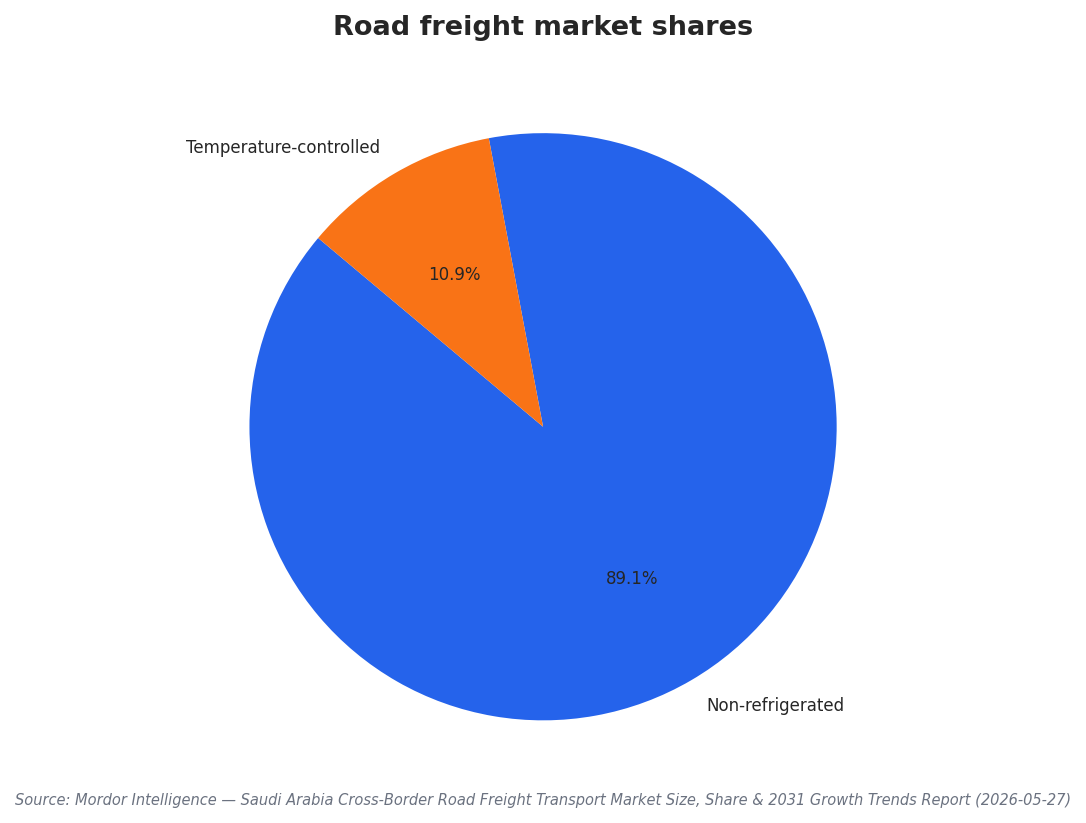
The broader market context helps explain why the Saudi Arabia port logistics zones expansion is being pursued so aggressively. Saudi Logistics Consulting values the Saudi Port Logistics market at USD 1.71 billion in 2024 and projects it to reach USD 2.61 billion by 2033, expanding at a 4.3% CAGR between 2025 and 2033. On the land side, Mordor Intelligence values the Saudi Arabia cross-border road freight transport market at USD 2.57 billion in 2025 and estimates it will grow to USD 3.54 billion by 2031 at a 5.96% CAGR. With road, rail, and ports moving together, logistics zones increasingly function as the switching yards that turn national investment into measurable throughput and faster end-to-end movement.
How large is Saudi Arabia’s current footprint of activated logistics centres?
How much cargo did Saudi ports handle in September 2025, and what was the growth rate?
What evidence shows faster corridor movement between the Red Sea and the Gulf?
Which new shipping connection is highlighted for Jubail Commercial Port?
What is driving the Saudi Arabia port logistics zones expansion strategy described in the article?