Ozempic-class medicines are changing how Saudi Arabia talks about obesity care, because the country faces high rates of obesity and diabetes and a growing appetite for advanced metabolic therapies. Grand View Research describes the Saudi Arabia GLP-1 receptor agonist market as significant within the Middle East, linked directly to these population health pressures and to clinical demand for therapies that improve glycemic control and weight outcomes. Local treatment pathways are also broadening. A 2026 Saudi obesity trends guide notes that demand is rising as more people seek medical weight management, including GLP-1 drugs, bariatric surgery, and structured clinic programs.
Those clinical and consumer shifts show up in market sizing. Grand View Research’s Saudi Arabia outlook estimates the country’s GLP-1 receptor agonist market generated USD 181.3 million in revenue in 2024 and is expected to reach USD 415.6 million by 2030, at a 13.3% CAGR from 2025 to 2030. The same source says Ozempic (semaglutide) was the largest revenue-generating product in 2024, and it lists other key products tracked in the segment, including Mounjaro (tirzepatide), Wegovy (semaglutide), Rybelsus (oral semaglutide), Saxenda, Victoza (liraglutide), and Zepbound. For healthcare providers, that product mix matters because it shapes clinic protocols, pharmacy workflows, and follow-up cadence.
Obesity Prevalence, Access Frictions, and the Provider Opportunity
Providers are responding to a large and visible clinical need, but access is not uniform. The Saudi obesity trends guide cites 2024 figures of 23.1% obese and 42.6% overweight for people aged 15 and above. It also references a BMC Public Health analysis stating bariatric surgery rates have increased, yet access remains limited mainly to major urban centers. The same BMC Public Health reporting is cited as saying adoption of newer anti-obesity medications like GLP-1s has been slowed by high costs and limited insurance coverage. These constraints push providers to balance patient demand with affordability, eligibility screening, and longitudinal support.
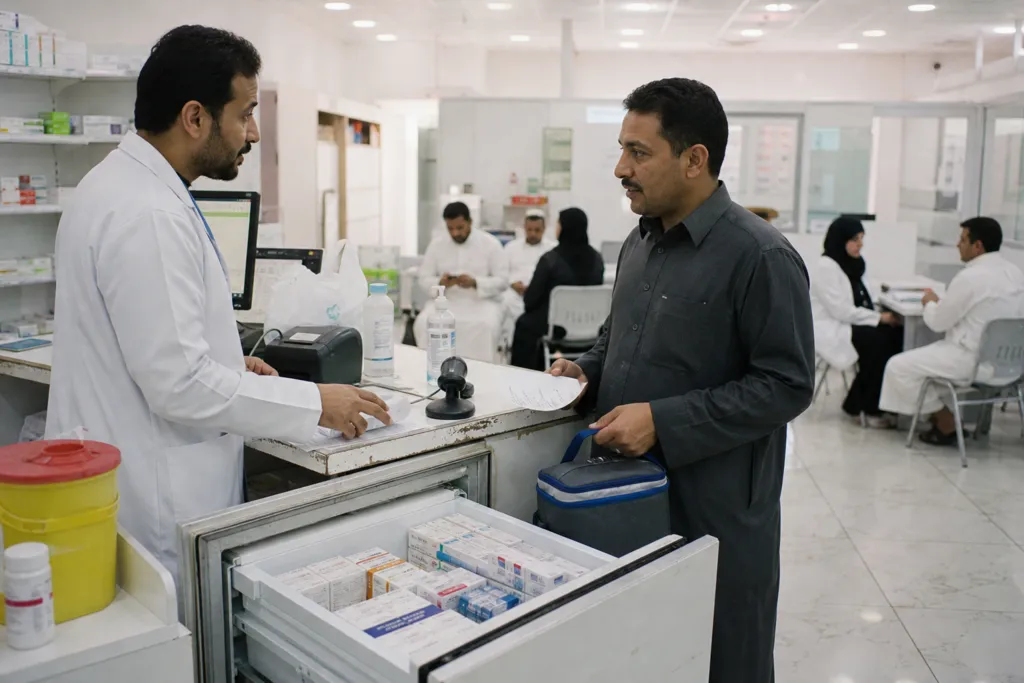
Demand is also being shaped by which molecules are resonating in weight management. Grand View Research’s weight-loss drugs report says the Saudi market is witnessing rapid growth, especially with tirzepatide and semaglutide, and it notes that in the Middle East and Africa region hospital pharmacies are the leading distributors, with retail pharmacies gradually increasing share. For Saudi healthcare operators, that implies a near-term gravity toward hospital-based dispensing and care coordination, while also creating incentives to build referral pathways and standardized monitoring for patients managed outside hospitals as retail channels expand.
Saudi Arabia’s provider landscape is evolving alongside global volatility in pricing and competition. Arabian Business reports that analysts once projected a $150 billion—or even $200 billion—global market for obesity drugs by the early 2030s, but it also notes expectations are being re-tested as US prices fall and competition heats up. Separately, a Custom Market Insights report says Saudi Arabia’s Ozempic market is backed by the expansion of the private healthcare system and new initiatives in digital health. In practice, this points Saudi providers toward scalable service models: weight management clinics, careful patient education on safe use, and systems that can adapt if pricing, supply, or coverage rules change.
How big is Saudi Arabia’s GLP-1 receptor agonist market today, and where is it headed?
What do the latest obesity and overweight figures suggest for care demand in Saudi Arabia?
Which GLP-1 drugs are highlighted as driving growth in Saudi weight-loss demand?
What barriers are slowing wider adoption of GLP-1 anti-obesity medications in Saudi Arabia?
How is the Saudi Arabia GLP-1 weight management market affecting healthcare providers and pharmacies?