The Vision 2030 final phase is taking shape as Saudi Arabia narrows the gap between ambition and delivery. Reuters reported that Saudi Arabia’s investment minister, Khalid Al-Falih, said that as of the end of 2024, 85% of Vision 2030 initiatives were completed or on track, with most targets met or exceeded. The same Reuters update cited one concrete marker: 675 companies have located their regional headquarters in the Saudi capital. At the same time, Reuters noted delays and recalibrations driven by economic headwinds and logistical constraints, setting the context for a more disciplined 2026-2030 push.
That discipline is visible in the Public Investment Fund’s latest direction. Skift reported that on April 15, PIF approved its 2026-2030 strategy and framed it as a formal shift from “rapid growth and acceleration” to “sustained value creation.” The same report said construction commitments have been cut by tens of billions, signaling tighter capital allocation in the run-up to 2030. Skift also reported that NEOM has been separated from the tourism ecosystem, and that reports emerged the same day that PIF is on the verge of cutting the $5 billion lossmaking LIV Golf tour.
Recalibrated Priorities: From Mega-Bets to Conversion and Yield
In tourism, the second-draft thinking described by Skift moves away from speculative mega-projects designed to attract Western tourists. Instead, it prioritises advantages Saudi Arabia already has: religious pilgrimage, regional proximity, and cultural familiarity. Skift’s summary emphasised building a network of destinations and leveraging cities such as Makkah, Madinah, Jeddah, and Riyadh for their distinct strengths. The same approach also stresses optimising for yield and conversion rather than focusing only on visitor numbers. It further underlines investing in human capital, backing local entrepreneurship, and using cultural soft power for tourism that is more authentic and sustainable.
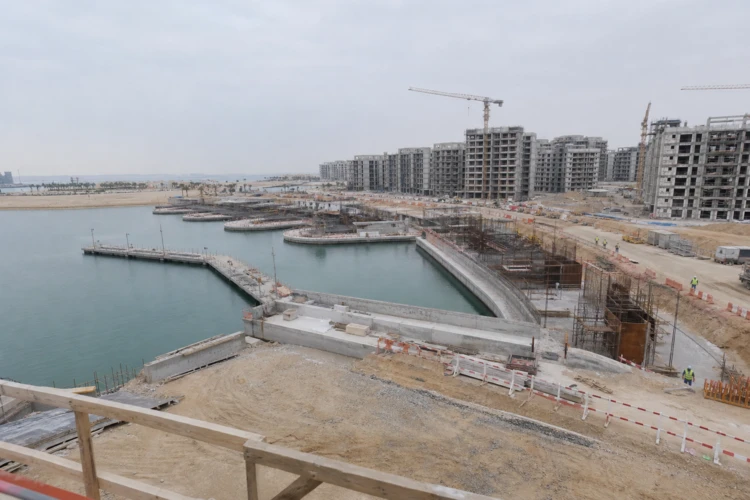
NEOM remains part of the national story, but the delivery sequencing is shifting. Skift quoted PIF governor Yasir Al-Rumayyan on The Line: “Is it necessary for The Line to be completed by 2030? I don’t think so. It’s good to have, but it’s not a must-have.” Skift also noted his view that delayed NEOM projects were not on “the critical path,” while Expo 2030 and the World Cup 2034 were treated as hard-deadline priorities. Reuters similarly reported that NEOM has faced repeated implementation delays and has been scaled back as Riyadh prioritises infrastructure essential for hosting global sporting events such as the 2034 World Cup.
Hospitality is expanding, but spending signals a more selective buildout. CoStar, via Hotel News Resource, reported that tourism remains a priority and that new hotels and rooms are being added to accommodate future events such as the Asian Football Championships 2029 and FIFA World Cup 2034. Yet it also reported a steep pullback in hospitality project investment, falling from $34.6 billion in 2023 to an estimated $11 billion in 2025. Read alongside Skift’s “sustained value creation” framing, this drop supports the narrative of tighter phasing, clearer ROI expectations, and a 2026-2030 agenda that is more about deliverables than headlines.
Public messaging continues to blend momentum with urgency, which fits a final-phase posture. Newsweek quoted Crown Prince Mohammed bin Salman saying, “As we enter the ninth year of Saudi Arabia’s Vision 2030, we take pride in the achievements of the sons and daughters of the nation,” adding that targets have been met and some surpassed, with determination to “double our efforts” and “accelerate implementation” toward 2030 goals. Put together, the sources show the Vision 2030 final phase becoming a delivery program with recalibrated priorities: fewer open-ended construction commitments, a tourism strategy built around proven demand drivers, and national projects increasingly filtered by real deadlines.
What does the Vision 2030 final phase mean for the 2026-2030 agenda?
How far along is Vision 2030, according to Reuters?
What is changing in Saudi Arabia’s tourism approach under the second draft?
Is The Line required to be finished by 2030?
What recent indicator did Reuters cite about corporate relocations to Riyadh?