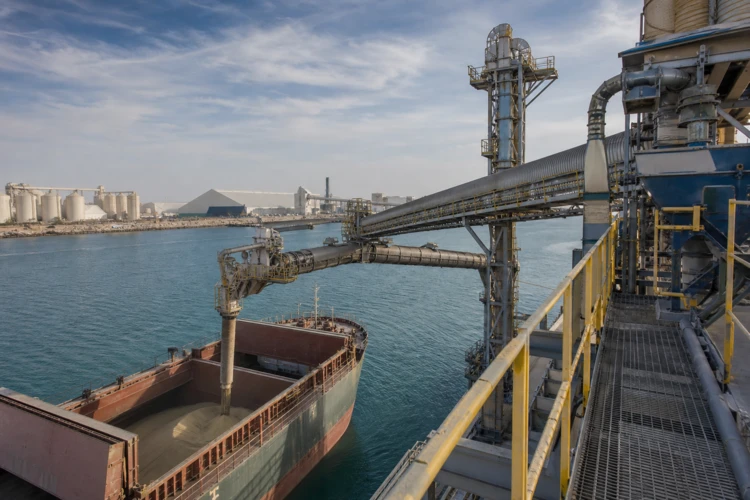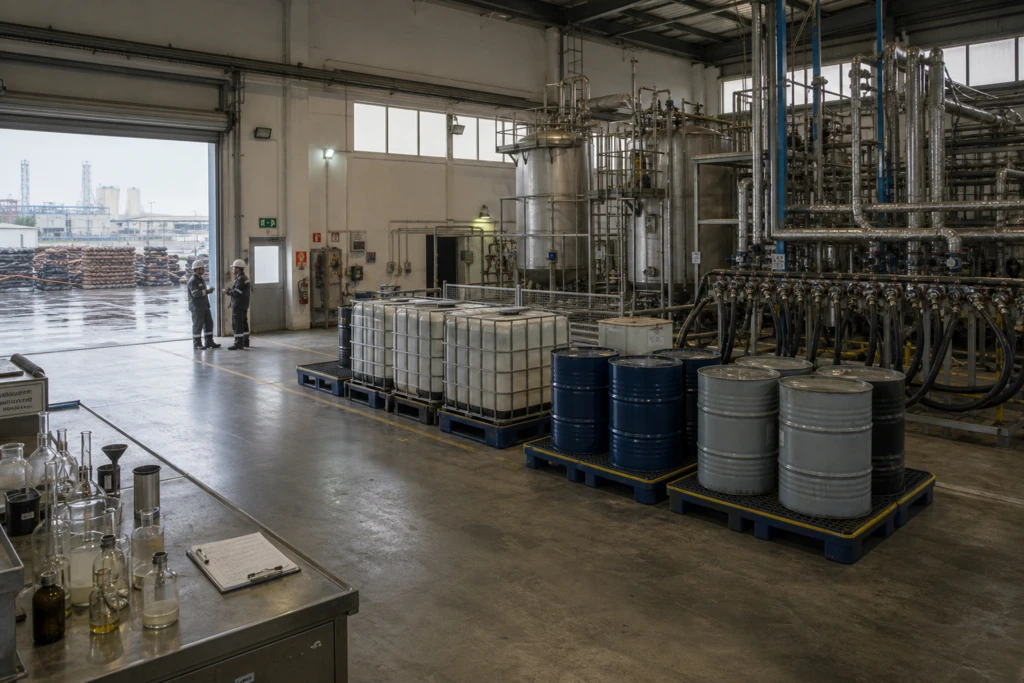
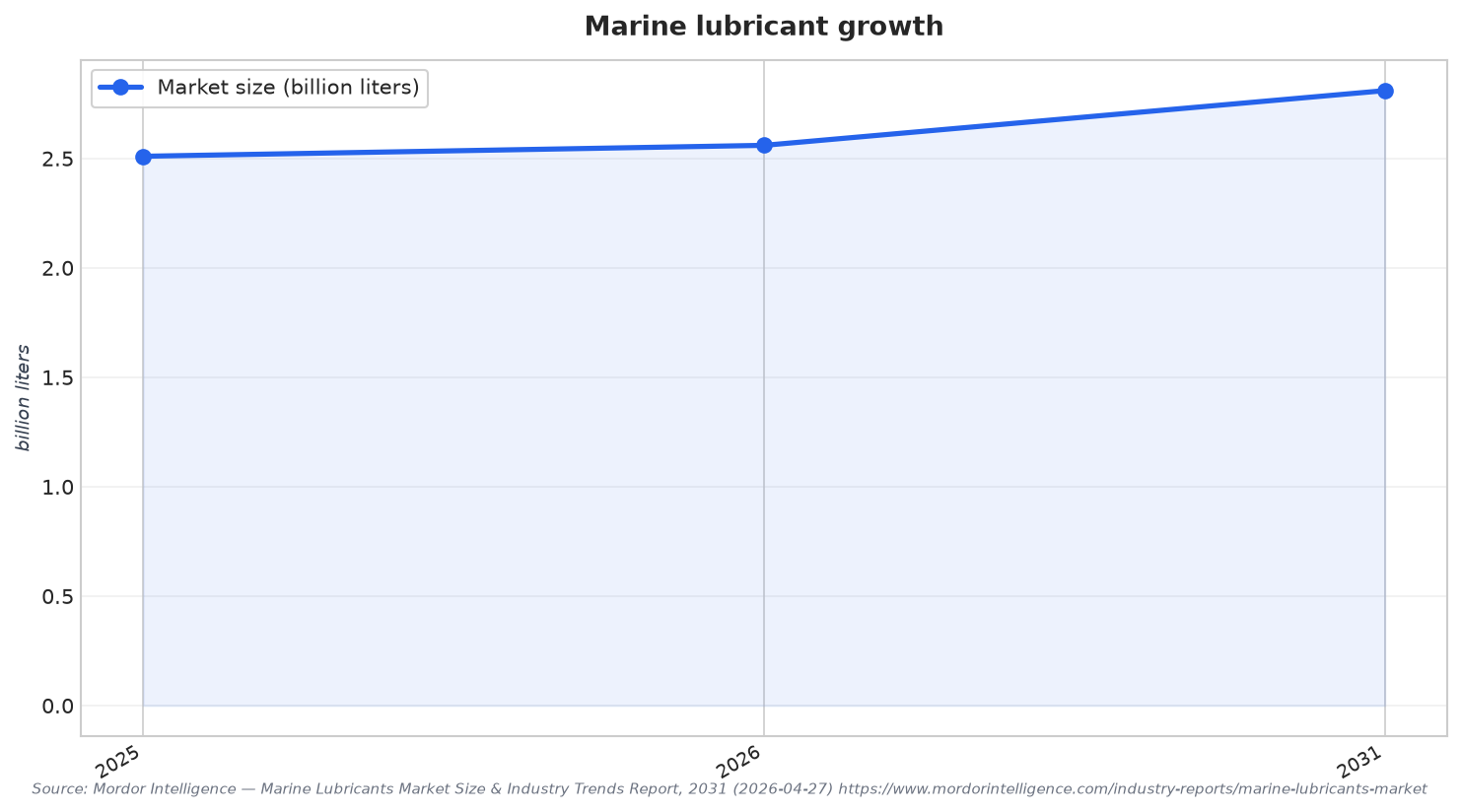
Marine lubricants sit at the intersection of trade, fleet activity, and regulation. Multiple market outlooks describe a mature category that still expands with seaborne volumes, while shifting toward higher-value, more specialized formulations. IndexBox frames 2026–2035 as “cautious evolution” in volume terms but meaningful value migration, tied to gradual fleet expansion and tighter discharge rules that favor environmentally acceptable lubricants (EALs). In parallel, Mordor Intelligence estimates the global marine lubricants market at 2.51 billion liters in 2025, rising to 2.56 billion liters in 2026 and 2.81 billion liters by 2031, with a 1.92% CAGR. That combination matters for Red Sea supply planning: even when volumes are modest, procurement increasingly rewards technical compliance, service, and availability at bunkering and port hubs.
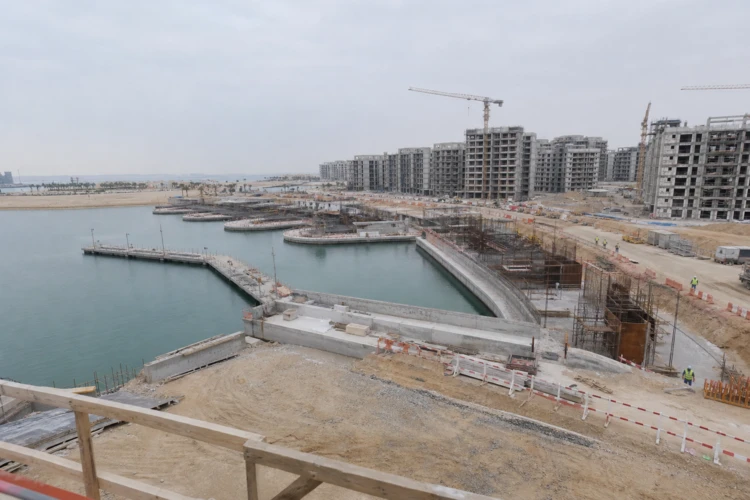
Saudi Arabia’s Red Sea focus lands inside this global dynamic, because port construction, ship services, and shipbuilding-related ecosystems typically translate into more lubricants moving through local supply chains. A Saudi-focused signal comes from the broader lubricants backdrop: Manufacturing Value Added reached USD 162.7 billion in 2022, up from USD 117.6 billion the year prior, and Vision 2030-linked giga-projects are described as running heavy machinery continuously, drawing on hydraulic fluids, gear oils, and greases. While these figures are not marine-specific, they indicate a wider operating environment where industrial fluids are scaling quickly. In practice, stronger industrial momentum can support marine lubricant distribution networks, used-oil services, and storage and blending strategies around ports and shipyards as activity clusters form.
Where New Demand Forms: Product Mix, Compliance, and How Ships Are Changing
The biggest near-term shifts are about what is bought, not only how much. Mordor Intelligence points to IMO-2020 enforcement pushing demand toward premium 40-BN cylinder oils and notes that engines running on dual-fuel LNG and methanol are turning to specialized formulations designed to extend drain intervals and reduce consumption per voyage. The same report shows trunk-piston engine oil led with 41.92% of 2025 volume, with main propulsion at 52.21% of 2025 volume. Distribution is also evolving: direct supply held 66.22% of 2025 volume, while online platforms were the fastest-growing channel at a 2.35% CAGR through 2031. For Red Sea operators, these patterns imply rising expectations for technical support, faster delivery, and consistent product availability at the point of bunkering and port calls.
Global market structure also clarifies why bunkering corridors matter. IndexBox states Asia-Pacific dominates, accounting for over 45% of global consumption, with major hubs in China, Singapore, and South Korea, and highlights ancillary services like used oil collection as critical for retention. Another global lens from Market Reports World estimates the market at USD 7,134.06 million in 2026 and USD 9,202.35 million by 2035, and says global consumption exceeded 2.4 million metric tons in 2024, supported by a merchant fleet of more than 105,000 commercial vessels. It also estimates that cylinder oils account for nearly 45% of total consumption, and that bulk carriers and container ships together represent over 55% of lubricant demand. For Saudi Arabia marine lubricants planning on the Red Sea, those shares underscore why cylinder oil supply, propulsion-related grades, and service reliability can become decisive in winning repeat business.
Regulation and sustainability are the other demand engine, and they influence procurement even when ship counts rise slowly. IndexBox highlights bio-based and EAL products gaining share under stricter discharge rules, especially in ecologically sensitive areas such as the Baltic Sea, North Sea, and US coastal waters. Market Reports World adds context from the United States: it cites EALs at nearly 18% of new supply contracts under Vessel General Permit-related requirements, alongside annual lubricant consumption exceeding 300,000 metric tons in the US and ports handling over 1.8 billion metric tons of cargo annually. These are not Saudi figures, but they show how compliance frameworks can reshape what buyers specify. For Red Sea suppliers, the opportunity is to prepare for a similar product-mix shift—premium cylinder oils, specialized dual-fuel formulations, and EAL-aligned options—backed by the logistics discipline that modern port and shipyard ecosystems require.
What is driving change in marine and bunker lubricant demand right now?
Which marine lubricant categories take the biggest share of demand?
How fast is the global marine lubricants market expected to grow?
How does Saudi Arabia’s industrial push connect to Red Sea lubricant demand?
What should buyers and suppliers watch in the Saudi Arabia marine lubricants market?