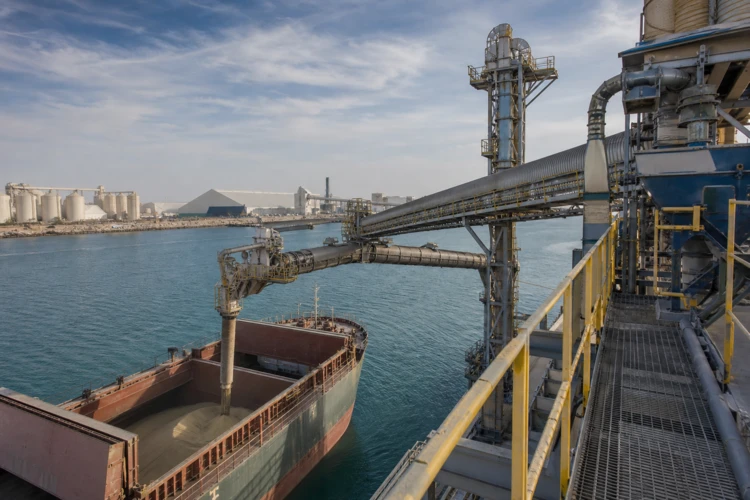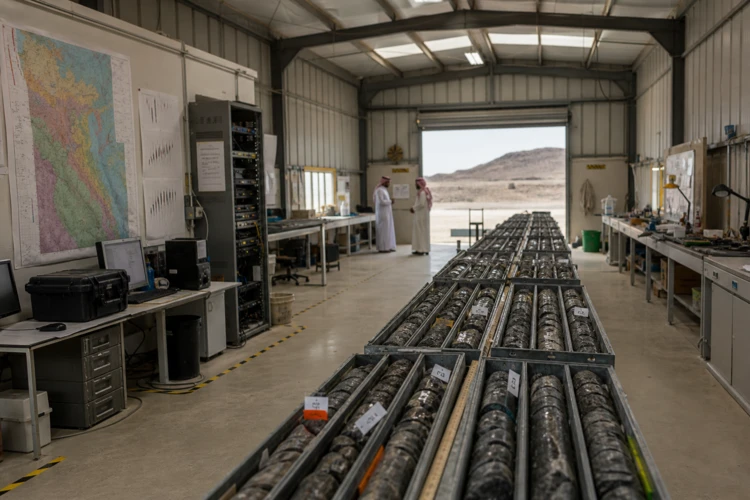
Gold mining in the Arabian Peninsula has deep roots, and Saudi Arabia is now pushing to modernize and scale the sector under Vision 2030. A central focus is the Arabian Shield, a vast geological formation running through the western third of the country that hosts significant gold mineralization and is described as substantially underexplored relative to analogous formations elsewhere. The policy intent is clear in the stated objectives: employment in less-developed regions, non-oil export revenue, and stronger industrial capabilities in mining and metallurgy. In this setting, the investor story is not a single mine. It is the build-out of a broader mining ecosystem designed to move from exploration to production and, in time, more integrated mine-to-market activity.
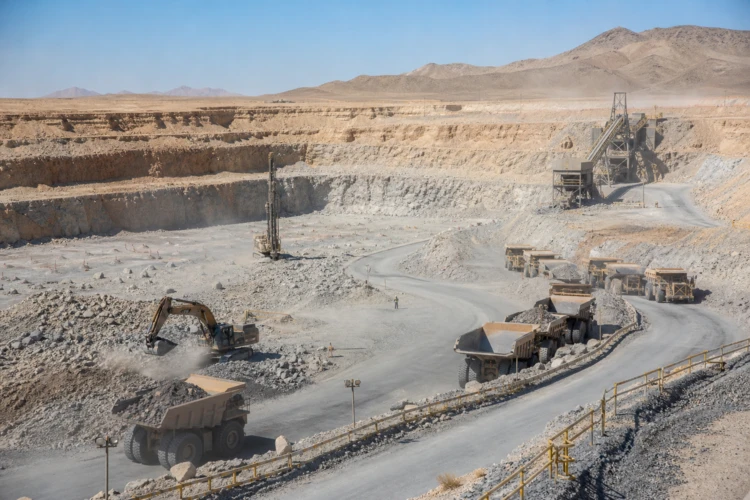
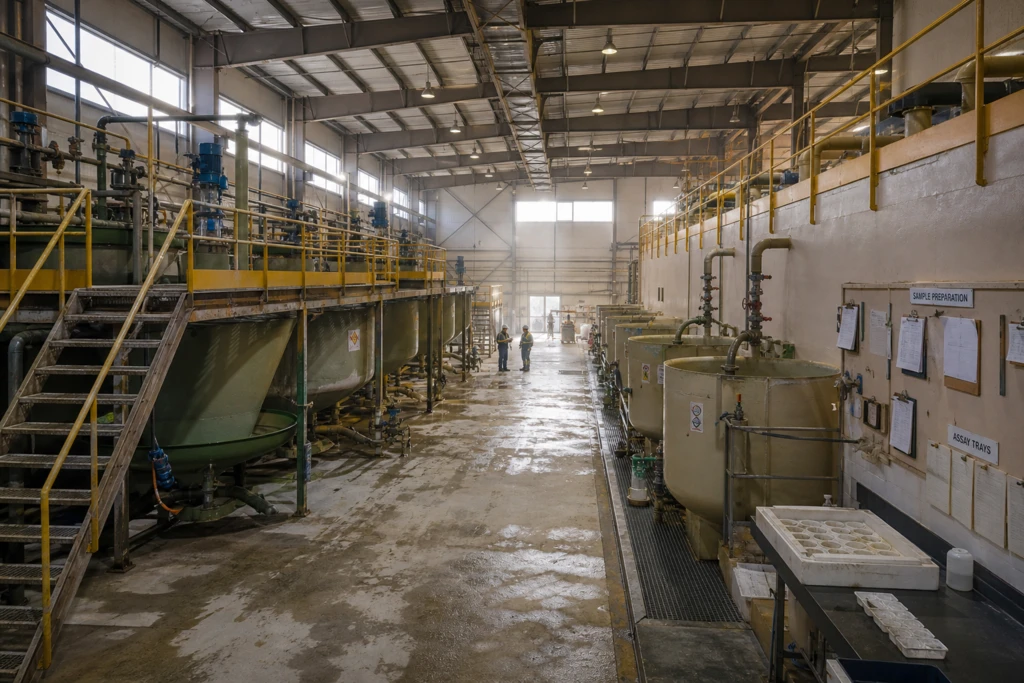
Today, Saudi gold output is led by the Saudi Arabian Mining Company (Ma’aden), which operates multiple mines across the Shield. Named operations include Mahd Ad Dhahab, which produces from open-pit and underground workings and uses conventional crushing, milling, and carbon-in-leach recovery circuits; Ad Duwayhi, described as Ma’aden’s largest gold mine by production and an open-pit operation processing oxide and sulphide ores; and Bulghah, an open-pit heap-leach operation that treats lower-grade ore and has seen expansions to extend mine life and increase throughput. Newer developments such as As Suq and Mansourah-Massarah expand the portfolio, with Mansourah-Massarah noted as a significant recent addition in the Medina region. Total Saudi production is described as modest by global standards, in the range of several hundred thousand ounces per year, which keeps the emphasis on what comes next: discovery, permitting, and scalable development.
Exploration Momentum Is Rewriting the Pipeline
The strongest signal for investors has been the pace of exploration and licensing. Saudi Arabia recorded a fivefold increase in exploration spending from SAR 205 million ($55 million) in 2020 to SAR 1.05 billion ($280.5 million) in 2024, framed as a 500% surge since 2020. In the same period, active exploration companies increased from six in 2020 to 226 in 2024, while foreign investors accounted for 66% of total mining investment. Exploration intensity also rose, with spending per square kilometer increasing from SAR 105 ($28) in 2020 to SAR 539 ($143.7) in 2024, moving Saudi Arabia from 20th to 12th globally in exploration intensity. Separately, the country had over 1,400 active exploration licenses, described as a 300% jump from 2020, supported by quarterly licensing rounds that create a more predictable schedule for new entrants.
Resource announcements have added weight to that spending curve. One report cites a Ma’aden announcement of 7.8 million ounces in new gold resources across multiple sites, spanning four primary locations within the Arabian Shield. Another report describes systematic surveys that identified 8 million ounces of new gold reserves. At Mansourah Massarah, an average grade of 2.8 g/t is cited, alongside context that most modern open-pit operations work with grades between 1.0–1.5 g/t. The Arabian Shield itself is described in different sources at different scales: one frames it as a 1.5 million square kilometer Precambrian formation spanning the Arabian Peninsula, while another specifies that the Shield spans about 630,000 square kilometers. For investors, the key takeaway is not the mapping label. It is that modern methods, from satellite imaging to systematic drilling, are being applied to a large terrain where significant areas are still characterized as underexplored.
Market context also matters for capital allocation decisions. One source notes that gold prices increased 64% throughout 2025 and reached peaks near $4,500 per ounce by December, a backdrop that can shape risk appetite and project economics even as investors focus on secure supply and stable jurisdictions. On the commercial side, a 2026 market report describes Saudi Arabia’s gold market as characterized by significant international trade flows, with the United Arab Emirates the dominant partner for both imports and exports, and notes that from 2020 to 2024 import prices rose sharply while export prices declined. Put together, the opportunity in Saudi Arabia gold mining becomes a pipeline question: reforms, licenses, and discoveries are expanding optionality, while the next phase depends on how quickly resources convert into durable production, processing, and trade positioning.
What is driving the current expansion in Saudi Arabia’s gold sector?
Which operators and mines anchor current gold production in the Kingdom?
How fast has exploration participation grown in recent years?
What do recent discovery announcements suggest about the Arabian Shield?
What should investors watch when evaluating Saudi Arabia gold mining opportunities?