Saudi Arabia is positioning mining as a pillar of Vision 2030 and the global energy transition, with critical minerals framed as both an industrial opportunity and a source of geopolitical leverage. One stated aim is that a systemic expansion of the mining sector and critical minerals processing capacity could contribute close to USD 75 billion to GDP by 2030, described as an increase of more than USD 50 billion from 2024 figures. The same agenda sets a target of 130 GW by 2030, with 50% coming from renewable energy sources, linking minerals to magnets, nuclear energy, green hydrogen, and EV value chains. Against that backdrop, fleet decarbonisation becomes practical, not just symbolic, because it connects mine operations to a wider national build-out of renewables and industrial capacity.
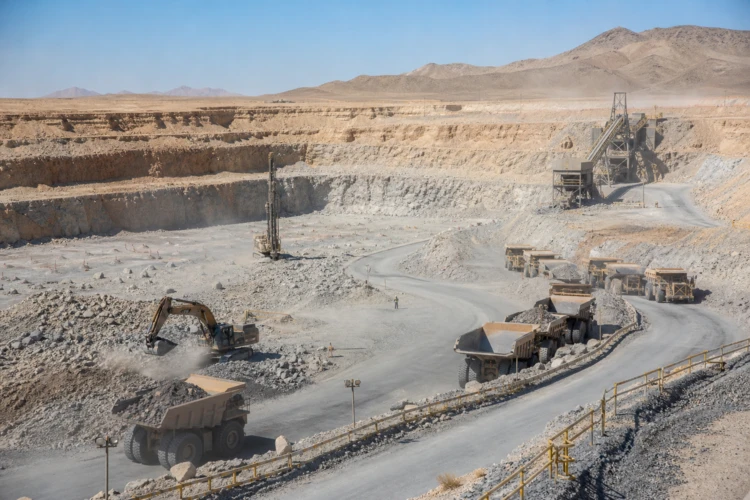
On the equipment side, the shift is visible in Saudi Arabia’s mining machinery market and powertrain choices. Mordor Intelligence estimates the Saudi Arabia mining equipment market at USD 7.32 billion in 2025, forecasting USD 9.72 billion by 2030 at a 5.83% CAGR, with procurement increasingly prioritising digital-ready machines. In the 2024 equipment mix, diesel held a 75.16% share, but battery-electric is projected as the fastest-growing power source with a 16.31% CAGR between 2025 and 2030. Segment demand also signals broad activity: excavation commanded 41.16% of market size in 2024; Surface Mining Support Equipment held 21.36% share; and processing is forecast to expand at a 6.22% CAGR to 2030. These figures help explain why mine planners are now evaluating electrification pathways alongside the operational realities of large fleets.
Hydrogen Supply Scales While Mines Digitise Their Fleets
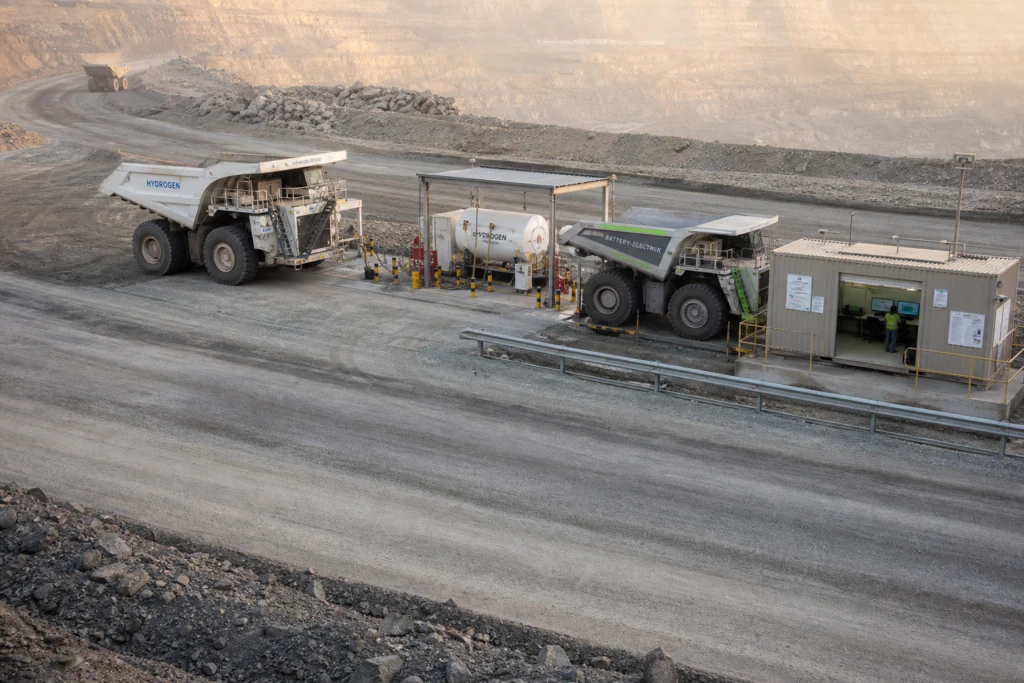
Hydrogen is scaling in Saudi Arabia through large projects and a growing domestic market narrative, which creates context for future applications such as Saudi Arabia hydrogen mining trucks where duty cycles and refuelling logistics matter. IMARC Group research cited in a market overview places the Saudi Arabia hydrogen generation market at USD 1.63 billion in 2025, projected to reach USD 2.32 billion by 2034, with a 3.99% CAGR during 2026–2034. A flagship project is the NEOM Green Hydrogen Project, described as an USD 8.4 billion joint venture between ACWA Power, Air Products, and NEOM, reaching 90% construction completion in early 2026 and expected to produce 600 tonnes of green hydrogen daily starting in 2027, equivalent to 1.2 million tonnes of green ammonia annually. The same source says it is powered entirely by 4 GW of renewable energy and has an exclusive 30-year off-take agreement with Air Products for all green ammonia produced.
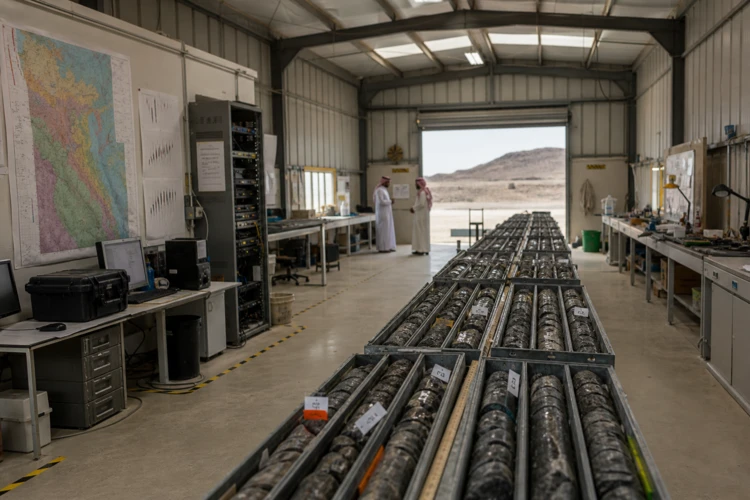
At the mine site, decarbonisation is being shaped by digital workflows and automation, not only new fuels. A Saudi-focused insight describes autonomous drilling and 5G-enabled predictive maintenance as tools to counter skilled-labor shortages while improving productivity and lifetime ownership costs. It also points to rapid exploration activity: drilled projects surged to 160 in 2024 from 58 in 2023, while 2025 exploration budgets targeted gold (72%) and copper (23%). The same update cites 350% growth in awarded exploration licenses and active mining permits reaching 2,485 by August 2025. This matters for fleet transitions because expanding permitting and drilling activity can raise equipment demand at the same time that operators seek more connected, data-driven ways to manage uptime, maintenance, and energy use across pits and processing plants.
Globally, mining decarbonisation is often described as a mix of renewables, alternative fuels, and electrification, with hydrogen and other options framed as longer-term for some use cases. A Mining Technology feature cites a December 2025 Ember report noting a 40% fall in 2024 in battery equipment costs and says markets excluding the US and China saw total capital expenditure around USD 125/kWh for long-duration, utility-scale BESS projects, with levelized cost of storage around USD 65/MWh. The same feature adds that electric mining trucks can cost anywhere between USD 50,000 to over USD 6 million depending on size and technology, and suggests full-fleet electrification may not be commercially viable within the next decade due to implementation barriers. For Saudi Arabia, the near-term story is therefore about aligning fast-growing battery-electric equipment adoption and digital mine practices with a national clean-energy and hydrogen build-out that is already being financed and constructed.
How are Saudi mines moving toward lower-carbon fleets?
What role could hydrogen play in Saudi Arabia’s mining operations?
What is the forecast for the Saudi Arabia mining equipment market?
How much hydrogen will the NEOM Green Hydrogen Project produce?
What should buyers know about Saudi Arabia hydrogen mining trucks and electrification costs?