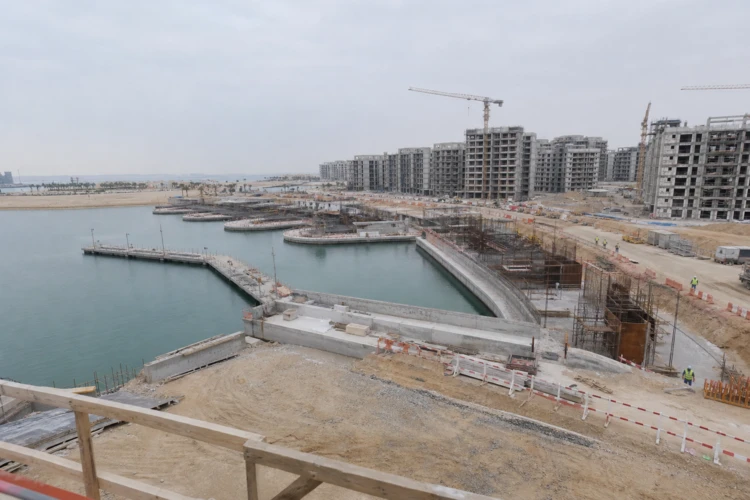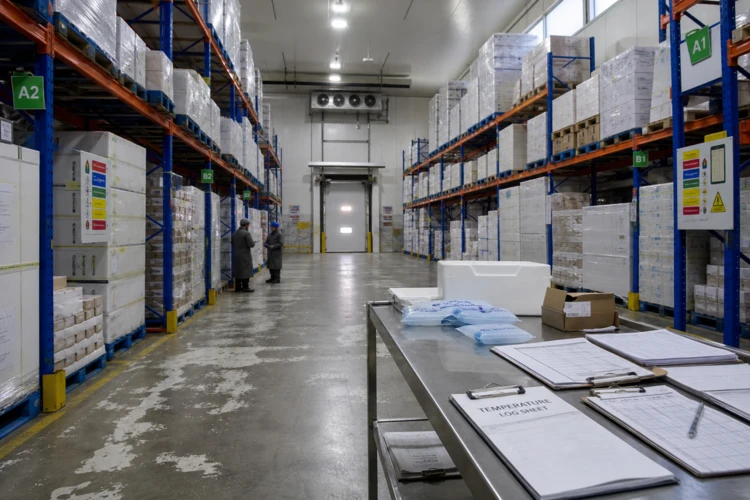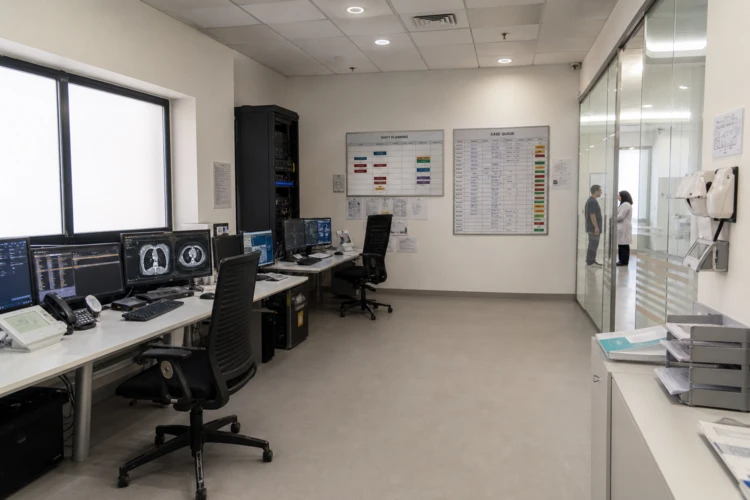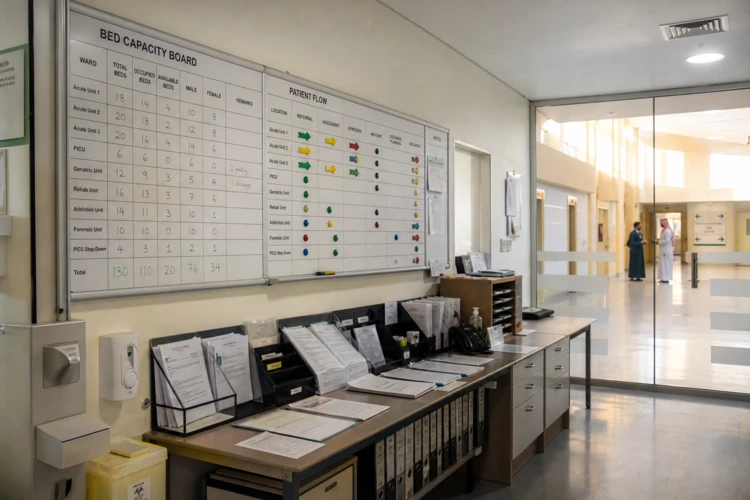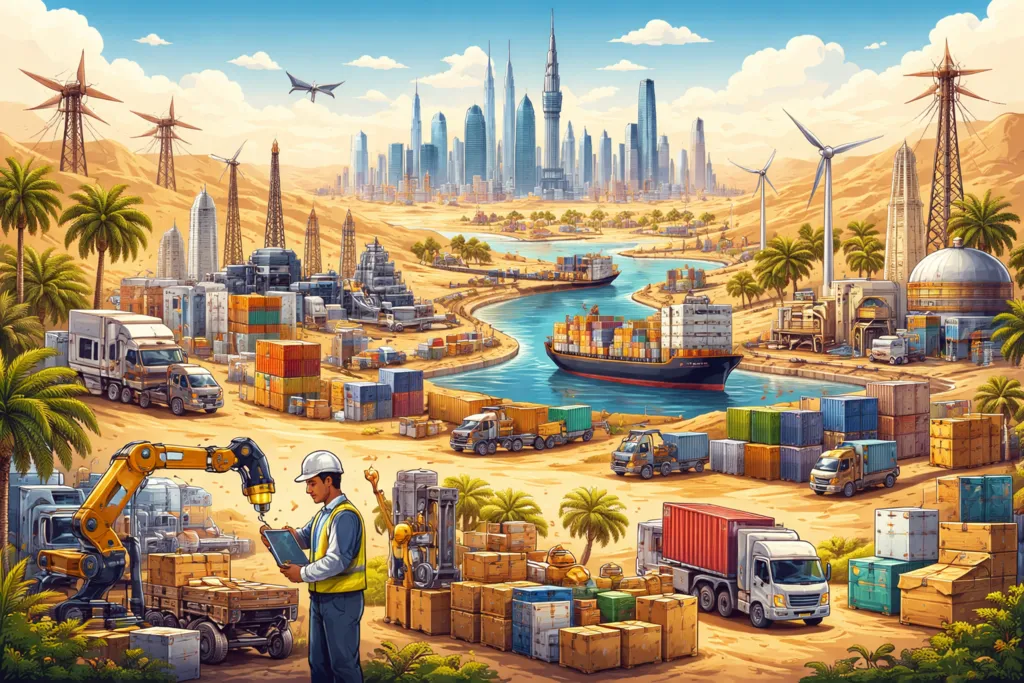
GCC countries are changing how their supply chains work. Instead of relying heavily on imports, they are building stronger local production systems. This shift is known as GCC Supply Chain Localization. It is driven by global disruptions, geopolitical risks, and the need for economic stability.
Today, companies across the region are rethinking their strategies. In fact, 79% of organizations believe that building local capabilities improves supply chain resilience. This shows a clear move toward self-reliance.
Read the full report for further insights: Opportunities for Supply Chain Transformation in the GCC
At the same time, regional trade is growing fast. Intra-GCC merchandise trade reached around $146 billion in 2024, marking a 9.8% increase from 2023. This is the highest level recorded in recent years. It reflects stronger economic ties within the region and a shift toward internal supply networks.
However, challenges remain. About 36% of companies say access to raw materials is the biggest issue. This highlights that while localization is growing, dependence on imported inputs is still a barrier.
Local Manufacturing Driving Economic Growth
Local manufacturing is becoming a key driver of economic growth in the GCC. Governments are actively investing in industrial development to reduce import dependency and boost exports.
The UAE offers a strong example. Its industrial exports reached $53.7 billion in 2024, representing a 68% increase since 2020. This growth is largely driven by initiatives like “Make it in the Emirates.” It shows how local production can improve global competitiveness.
Saudi Arabia is also making progress. Local content in the oil and gas sector reached 65.5% in 2024, nearly meeting its Vision 2030 target. This indicates a strong push to keep more value within the country.
Manufacturing is also expanding its role in the economy. In the UAE, manufacturing GDP contribution reached $57.3 billion, and it is on track to exceed long-term targets. Across the GCC, this trend is becoming more visible.
Reducing Import Dependency and Strengthening GDP Contribution
The shift toward GCC Supply Chain Localization is not just about production. It is also about changing the structure of the economy.
Manufacturing now contributes 12.7% of GCC GDP, valued at around $295.1 billion. It is the second-largest sector after oil. This marks a significant step toward diversification.
Saudi Arabia’s economy is also evolving. Non-oil sectors now account for 53.2% of GDP, showing that the country is reducing its reliance on hydrocarbons. Local manufacturing plays a central role in this transition.
Other sectors are also benefiting. Saudi Arabia’s military industry localization reached 19.35%, exceeding planned targets. Meanwhile, Qatar has launched its National Manufacturing Strategy (2024–2030), focusing on industries like pharmaceuticals and healthcare to replace imports.
These efforts show a clear pattern. GCC countries are not only producing more locally but also building entire ecosystems around manufacturing.
A Structural Shift Toward Regional Resilience
GCC Supply Chain Localization is creating a more resilient and connected regional economy. Countries are trading more with each other, producing more goods locally, and reducing exposure to global disruptions.
The rise in intra-GCC trade shows stronger regional integration. At the same time, the growth of manufacturing highlights a long-term structural change. This is not a short-term response. It is a strategic transformation.
Still, success will depend on solving key challenges. Access to raw materials remains a concern. Building complete supply chains within the region will take time and investment.
Overall, the direction is clear. GCC countries are moving toward a more balanced and self-reliant economic model. Local production, stronger trade links, and rising manufacturing output are shaping the future of the region.