Lubricant demand in Saudi Arabia is increasing as the country moves forward with Vision 2030. This transformation is reshaping how people travel, how industries operate, and how infrastructure is developed across the Kingdom.
Lubricants are essential to all these systems. They support engines, machinery, and industrial processes that keep the economy functioning. As activity increases, lubricant demand continues to grow in both volume and sophistication.
Vision 2030 focuses on building a diversified and modern economy. Its three pillars—society, economy, and governance—are directly influencing mobility, industrial growth, and infrastructure development.
These changes are key drivers of lubricant demand.
Mobility Expansion Increasing Lubricant Demand in Saudi Arabia
Mobility is one of the main contributors to lubricant demand in Saudi Arabia. As tourism, urbanization, and daily commuting increase, more vehicles are being used across the country.
Saudi Arabia’s population reached around 35.3 million in 2024, with over 71% above driving age.
This creates a large base of active drivers and supports sustained demand for automotive lubricants.
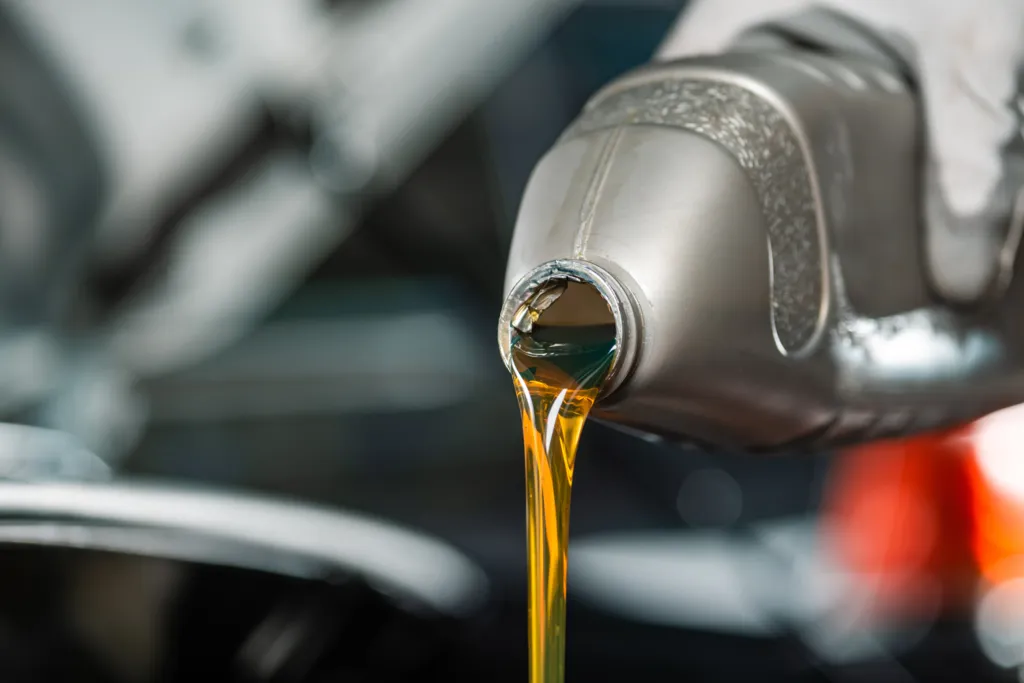
Increased mobility leads to higher engine usage and shorter maintenance cycles. Oil changes become more frequent, especially in urban areas where stop-and-go driving is common.
Tourism growth also contributes to this trend. As more visitors travel across the Kingdom, demand for rental vehicles, ride-hailing services, and transportation fleets increases. These vehicles require regular maintenance and high-performance lubricants.
Public transportation expansion is another key factor. Investments in buses, rail systems, and logistics infrastructure increase demand for industrial and commercial lubricants. Fleet vehicles operate for longer hours and require consistent servicing.
Industrial development further strengthens lubricant demand. Manufacturing facilities, logistics hubs, and petrochemical plants depend on heavy machinery and automated systems. These operations require advanced lubrication to maintain efficiency and reduce downtime.
Consumer behavior is also shifting. Drivers are becoming more maintenance-aware and are choosing premium lubricants that offer better performance and durability.
Sustainability is influencing the market as well. There is growing demand for synthetic, eco-friendly, and re-refined lubricants.
These products align with environmental goals and evolving industry standards.
Local production is expanding, supporting supply stability and improving competitiveness in the Saudi lubricant market.
Overall, lubricant demand in Saudi Arabia is becoming more complex. It is no longer driven only by volume but also by performance requirements, efficiency, and sustainability.
As Vision 2030 continues to reshape the Kingdom, lubricants will remain essential in supporting mobility, industry, and infrastructure development.,
Read the full insights: Changing patterns in the KSA lubricant market