Reshoring and nearshoring are no longer only manufacturing choices. They are inventory decisions. As global disruptions, trade dynamics, and transportation cost pressures push organizations to bring production closer to end markets, they also need warehouses that can buffer variability and keep service levels stable. A MENA-focused supply chain view describes reshoring as bringing manufacturing and sourcing back to a domestic country and nearshoring as relocating to nearby countries or regions, with both strategies prioritizing localization to reduce dependency on distant, complex networks. In this context, Saudi Arabia is positioning itself as an attractive nearshoring hub, helped by infrastructure improvements and its strategic location, which increases the importance of reliable local storage and fulfillment capability.
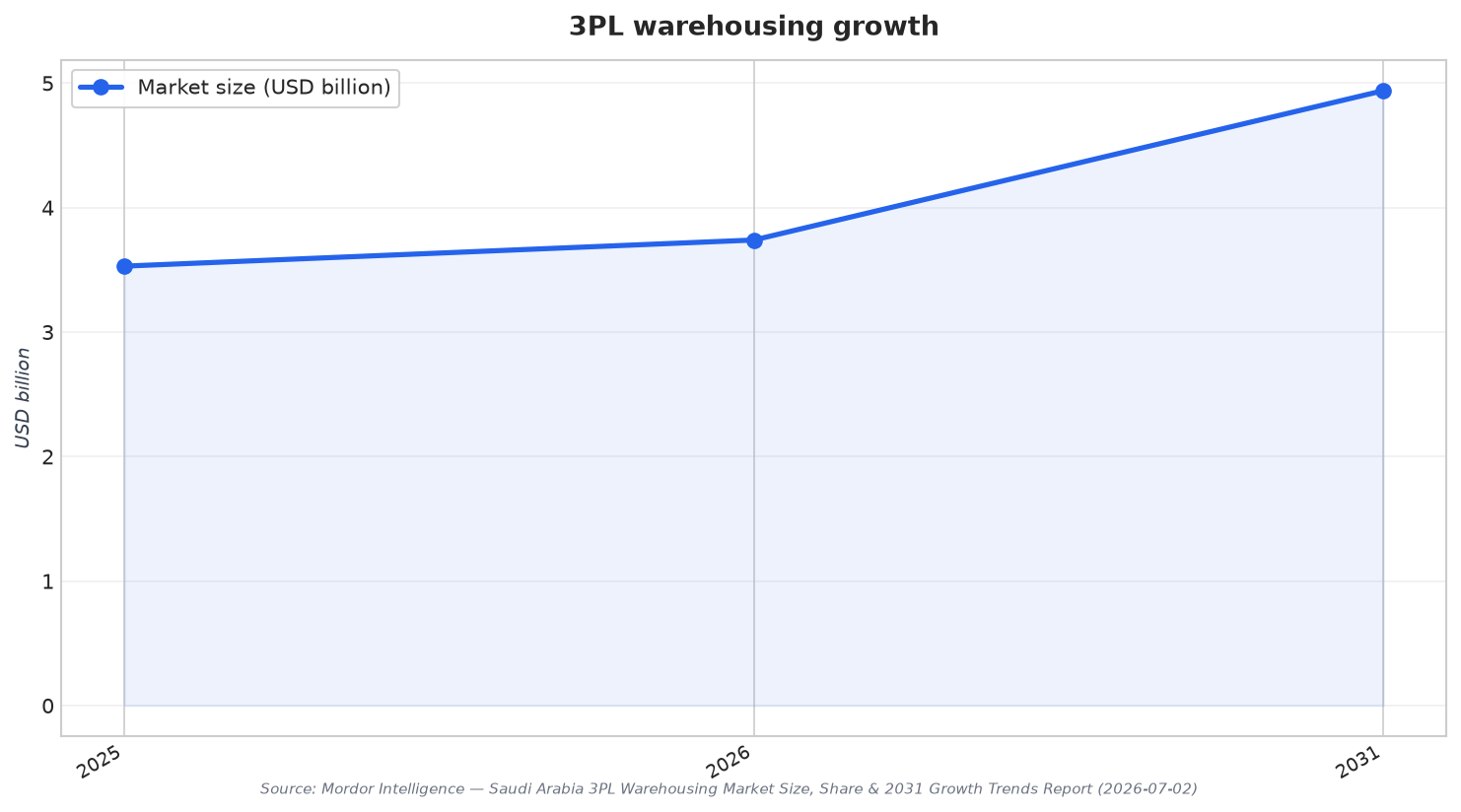
This infrastructure pull is visible in the scale and structure of the Kingdom’s 3PL warehousing market. One market assessment values the Saudi Arabia 3PL warehousing market at USD 3.53 billion in 2025 and estimates growth from USD 3.74 billion in 2026 to USD 4.94 billion by 2031, at a 5.71% CAGR for 2026–2031. Storage represented 60.21% of market size in 2025, while value-added services are projected to grow fastest at an 8.55% CAGR through 2031. Multi-client facilities held 53.09% share in 2025, and bonded warehousing is forecast to post a 7.72% CAGR. These signals matter for companies pursuing Saudi Arabia supply chain localization because they show where capacity is expanding: shared networks, compliance-focused storage, and services that make inventory more responsive to demand.
From Central Hubs to Port-Linked, Sector-Specific Inventory
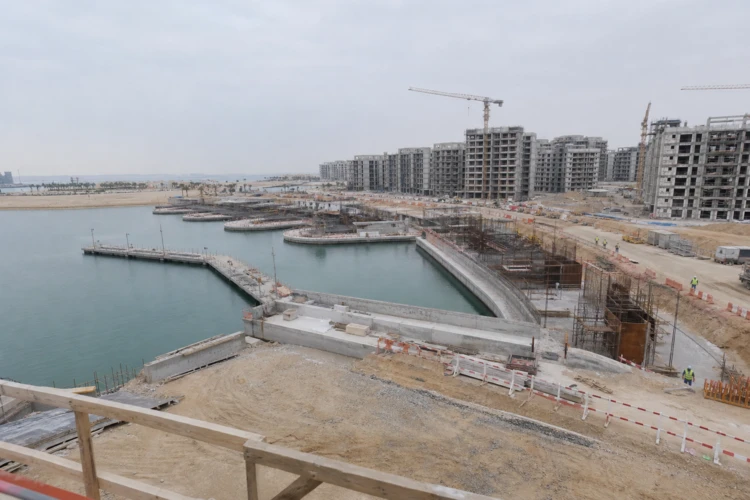
Localization is also reshaping where warehouses sit and what they are designed to do. Central Saudi Arabia held 42.5% of the 3PL warehousing market in 2025, while Western Saudi Arabia is forecast to grow at a 7.09% CAGR through 2031, a pattern consistent with port-linked distribution and import-export flows. Policy-led development reinforces this. The National Industrial Development and Logistics Program activated 24 logistics centers by 2025 within a master plan of 60. The logistics sector contributed SAR 82 billion (USD 21.84 billion) to GDP in 2025 and employed 421,000 professionals, with national targets of SAR 115 billion (USD 30.64 billion) in GDP contribution and 600,000 jobs by 2030. These programs change the economics of placing inventory locally by expanding nodes where 3PLs can stage stock closer to industrial clusters and consumers.
Warehousing product strategy is evolving with those nodes. A sector view notes that operators are moving beyond conventional racking toward multi-client, sector-specific facilities. In February 2023, Maersk and the Saudi Ports Authority (Mawani) began construction of a 225,000 sqm integrated logistics park at Jeddah Islamic Port combining warehousing, cold storage, e-commerce fulfillment, and multimodal distribution. In May 2024, SAL announced a Fulfillment Business Unit to “revolutionize” logistics and supply chain activity in the Kingdom. In November 2023, AJEX Logistics partnered with MODON to expand industrial logistics services from Dammam, strengthening support across industrial zones. These moves align with manufacturers and retailers using local sites for bulk inventory, raw materials, finished goods, cross-docking, and value-added services that reduce complexity across the domestic network.
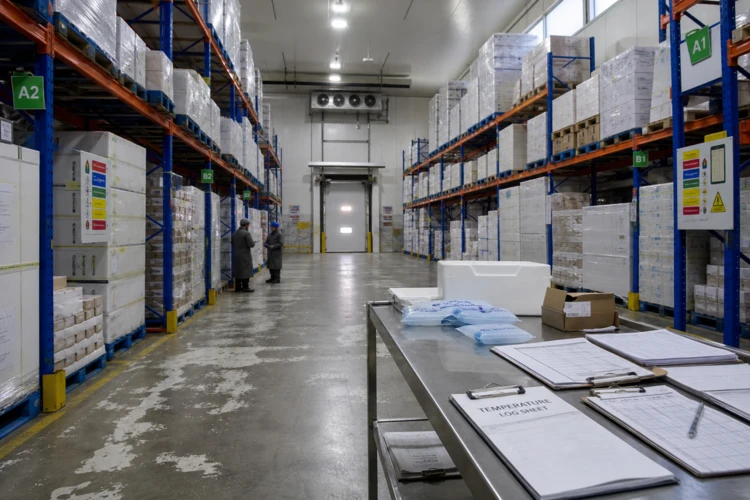
Inventory localization is also changing the technical requirements of warehouses. In the 3PL segment, non-temperature-controlled warehousing accounted for 69.4% share in 2025, while temperature-controlled warehousing is forecast to advance at a 9.43% CAGR through 2031. A broader freight and logistics view also shows non-temperature-controlled warehouses at 77.25% share in 2025, with temperature-controlled capacity forecast to climb at a 6.48% CAGR between 2026 and 2031. Technology is shifting too. Manual warehousing captured 63.83% share in 2025, while fully automated warehousing is forecast to expand at an 11.39% CAGR through 2031. For companies adopting nearshoring or reshoring, these trends support the operational side of localization: more cold-chain readiness, more visibility, and more capacity to run time-definite, inventory-intensive flows across ports, roads, and industrial zones.
How is reshoring and nearshoring changing warehouse strategy in Saudi Arabia?
What do the latest 3PL warehousing figures say about growth in Saudi Arabia?
Which warehouse types are gaining momentum as inventory is localized?
How much of warehousing is still non-temperature-controlled, and what is happening to cold-chain capacity?
What does Saudi Arabia supply chain localization mean in practice for inventory placement?