The Saudi Arabia sukuk market is moving in step with a shifting funding backdrop. Saudi Arabia has been running budget deficits since 2022, while officials have stressed efficiency and “optimal impact at the right cost” as priorities. Against this context, debt issuance becomes a practical tool to keep financing directed toward areas that “create value and generate returns” for the economy. The result is a market narrative in which sukuk and bonds sit alongside project reprioritisation and tighter capital allocation, rather than replacing them.
Government activity also shows how the local currency curve can be extended across maturities. The National Debt Management Center said it completed investor requests for a September 2025 issuance under the Saudi government’s SAR-denominated Sukuk Program, allocating SAR8.036 billion. The issuance was split into five tranches with maturities in 2027, 2029, 2032, 2036, and 2039. The tranche sizes were SAR1.240 billion, SAR1.053 billion, SAR795 million, SAR1.271 billion, and SAR3.677 billion. This spread of maturities signals a preference for diversified refinancing profiles rather than relying on a single point on the curve.
Corporate Sukuk: Pricing Long-Term Capital in 2026
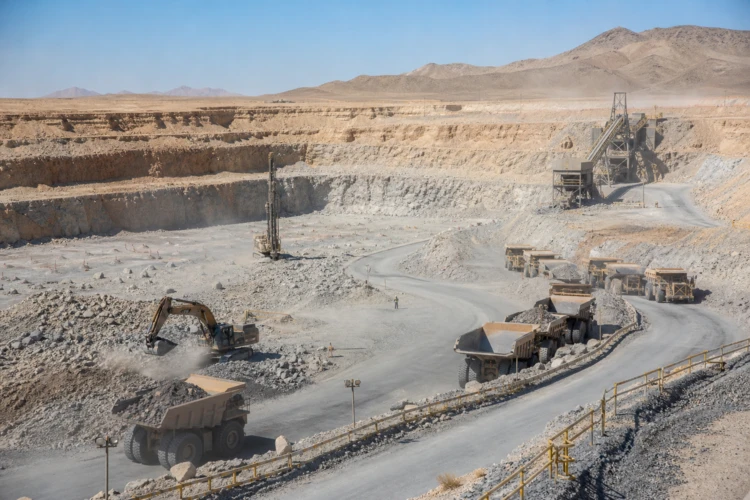
On the corporate side, Maaden provides a clear example of how issuers are approaching long-dated funding in 2026. The Saudi Arabian Mining Company completed a $1 billion sukuk issuance with a 10-year maturity and a 5.25% coupon. The sukuk will be listed on the London Stock Exchange’s International Securities Market. Maaden said the sukuk may be sold in reliance on Regulation S and Rule 144A under the US Securities Act of 1933. Another report added that the total number of sukuk issued was 5,000, each with a nominal value of $200,000, with the yield set at 5.250% per annum.
Investor response and market access matter because the cost environment is changing. A 2026 analysis tied to Saudi Aramco feedstock and fuel price adjustments described the period as the end of an “easy growth” era for many industrial giants, highlighting how companies face margin pressure as reforms accelerate. In that setting, fixed-income issuance can support corporate flexibility. Maaden linked its sukuk to strengthening its financial position and supporting strategic projects, describing it as an important step to enhance financial flexibility while it grows and expands its mining asset portfolio inside and outside the Kingdom.
Wider debt markets reinforce the theme that issuers are tapping demand even as macro pressures persist. In January 2026, Aramco placed a $4 billion four-tranche bond that received more than $21 billion in orders, according to a report citing IFR via Reuters. The same coverage noted that in September 2025 Aramco offered sukuk in five- and ten-year issuances. It also said the Kingdom sold $5.5 billion in Islamic bonds, where orders reached $17.5 billion, and that the Public Investment Fund sold $2 billion of 10-year dollar bonds to fund part of its investment plans. Together, these transactions frame how Saudi issuance is being used to sustain funding channels during periods of weaker oil prices.
Looking into 2026, policy signals suggest the Saudi Arabia sukuk market will remain relevant as priorities tighten. Saudi Arabia’s own estimates were for government borrowing to ease to $14 billion to $17 billion in 2026, even as economists cited in the same report expected higher borrowing needs in international markets. Officials have also been vocal about attracting more private investment to ease the financial burden of driving progress. In practical terms, that mix supports a market where sovereign programs provide a domestic benchmark, while corporates use international listings and long maturities to fund expansion in a higher-cost era.
What does the Saudi Arabia sukuk market show about 2026 funding priorities?
What were the key terms of Maaden’s 2026 sukuk?
How was the Saudi government’s September 2025 SAR sukuk issuance structured?
What demand was reported for Aramco’s January 2026 bond deal?
Which other Saudi issuers were cited tapping dollar debt markets?