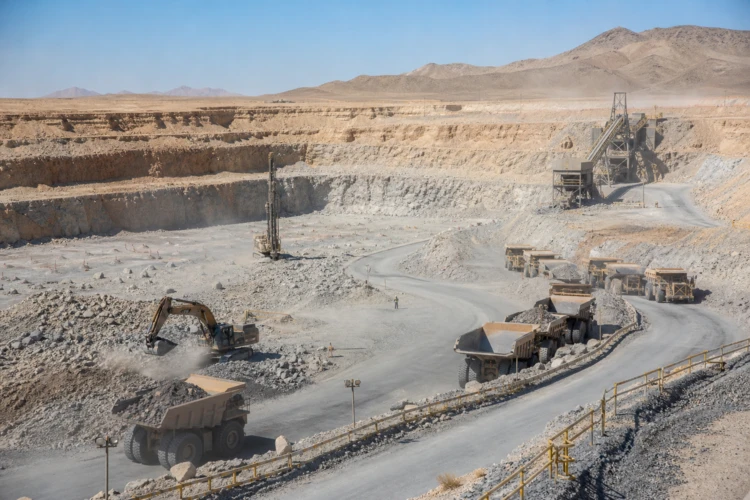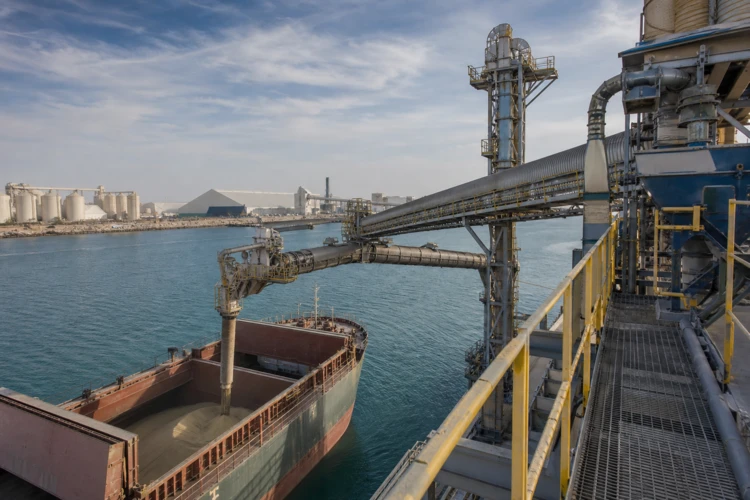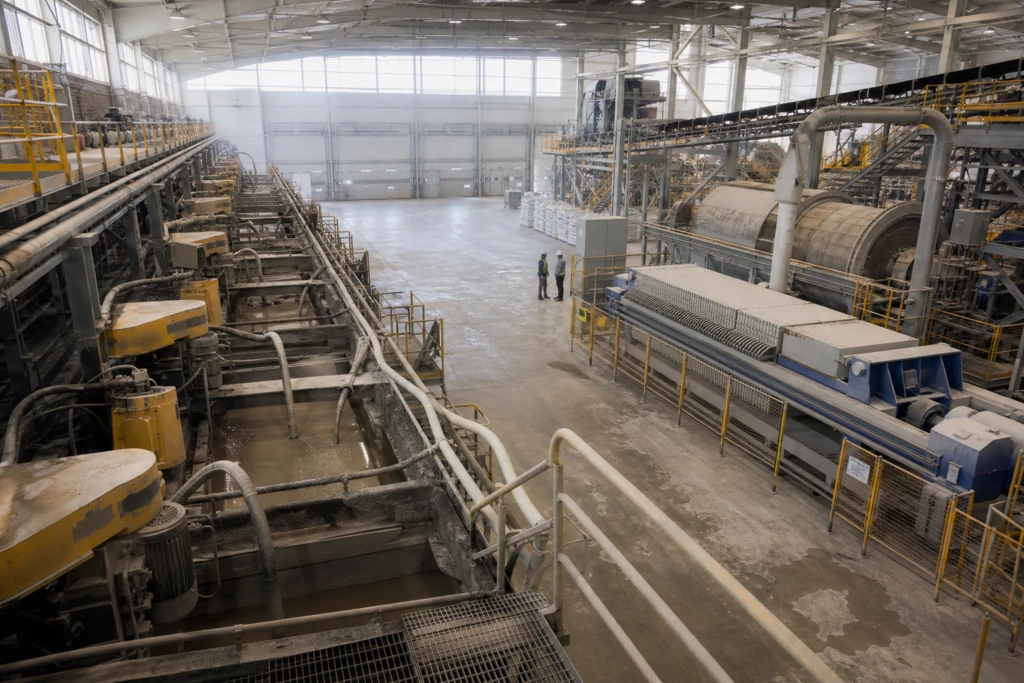
Saudi Arabia is trying to translate its oil-era capital into a new role in energy transition supply chains. Climate Home News reports the Kingdom sits on an estimated USD 2.5 trillion worth of minerals, including lithium, rare earths, zinc, and copper. These materials are described as key ingredients for rechargeable batteries used in EVs, power storage, and solar panels. The same report says Saudi Arabia is also spending billions of dollars to invest in transition-minerals projects abroad. The pitch is clear: as the US and Europe look to reduce reliance on China-dominated supply chains, Saudi Arabia wants to be seen as an alternative supplier with ties to both the West and China.
Saudi Arabia’s localisation effort is also framed as industrial logistics work that sits closer to assembly today, with deeper mineral integration still developing. Logistics Middle East explains that EV supply chains are anchored by three core component pillars: traction batteries, electric motors, and power electronics. It adds that traction battery supply starts with minerals such as lithium, nickel, cobalt, manganese, and graphite. It also notes that electric motors depend on materials like copper and, in some motor types, rare earth magnets. The same analysis says Saudi Arabia is making faster progress in areas closer to vehicle assembly, including port connectivity, tyres, supplier parks, and charging infrastructure, while battery localisation and supplier depth develop in phases.
Why Rare-earth Refining and Magnet Materials Matter
Downstream refining and magnet materials are a focal point because global concentration creates strategic risk. Darkstone states that China refines approximately 90% of rare earths, produces 75% of graphite anode materials, and manufactures nearly 80% of lithium-ion battery cells. It also says China controls around 70% of global lithium and cobalt processing and approximately 90% of rare-earth refining. In this context, the Saudi Arabia rare earths battery minerals strategy is not only about extracting ore; it is about building value chains that can serve EVs, renewables, and other advanced industries. Darkstone also points to the Arabian Shield as a formation holding significant deposits of copper, gold, zinc, and other critical minerals, aligning geology with industrial ambition.
Several initiatives described in the sources point to a targeted approach on refining, separation, and magnet supply. Rare Earth Mining reports that in November 2025, Saudi state miner Maaden (≥51%), MP Materials, and the US Department of War signed a binding term sheet to build a rare earth refining and separation facility in Saudi Arabia. The facility is intended to separate light and heavy rare earth oxides for US and Saudi manufacturing and defence supply chains, and the source highlights dysprosium and terbium as critical inputs for permanent magnets. The same source adds that in January 2026 the Ministry launched the Mining Infrastructure Enablement Initiative, including a treated-water pipeline designed to reduce operational water costs at remote desert sites by up to 60%.
Market and policy signals reinforce the industrial logic for local processing and magnet materials. HTF Market Insights estimates the Middle East rare earth permanent magnet material market at about USD 0.85 billion in 2024 and expects it to reach around USD 2.45 billion by 2034, with a CAGR near 11%, while warning that rare earth import dependencies can slow growth. It also states that on 15 February 2025, Magnet Arabia announced a joint venture with a leading Chinese rare earth miner to establish a regional supply hub based in Saudi Arabia, aiming to streamline supply chains and reduce delivery lead times for permanent magnet materials, particularly neodymium magnets for EV manufacturers. Separately, ORF Middle East says a systemic expansion of mining and critical minerals processing capacity could contribute close to USD 75 billion to Saudi GDP by 2030, described as an increase of more than USD 50 billion from 2024 figures, while also noting Saudi Arabia’s energy transition agenda aims at 130GW by 2030, with 50 percent coming from renewable sources.
What minerals are central to Saudi Arabia’s push into EV and clean-energy supply chains?
How concentrated is global rare earth and battery supply chain processing, according to the sources?
What is the reported Maaden-led rare earth refining plan in Saudi Arabia?
How does Saudi Arabia plan to lower operating costs at remote mining sites?
How is the Saudi Arabia rare earths battery minerals strategy tied to Vision 2030 goals?