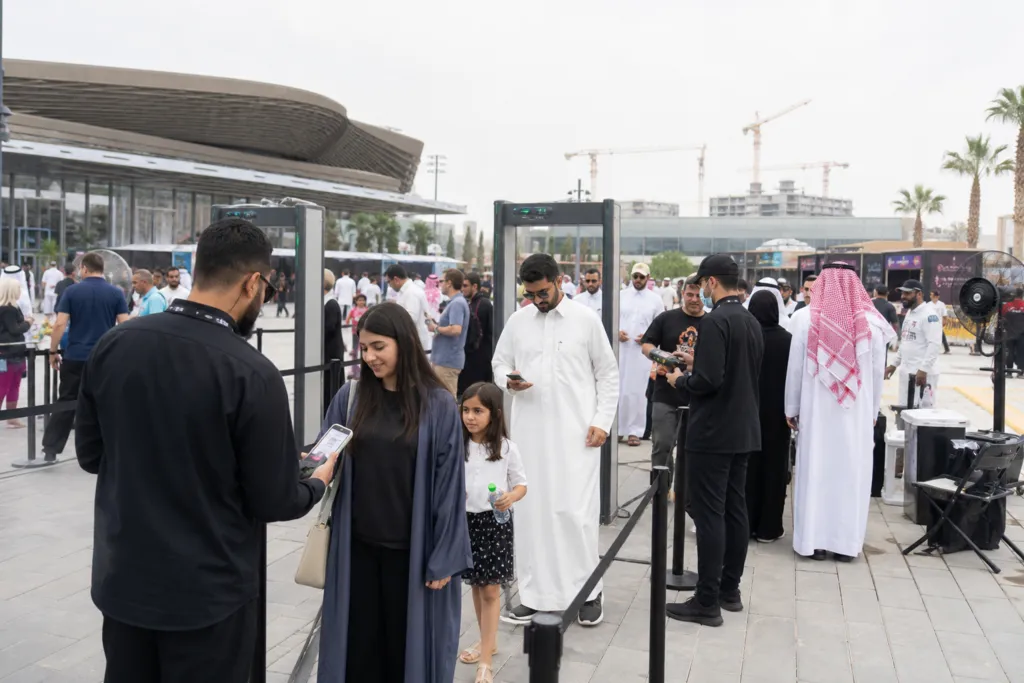
Saudi Arabia is building a visitor economy that increasingly overlaps with live experiences, business travel, and mega-events. The country hosted 116 million visitors in 2024, according to tourism statistics cited by Strategic Gears and the Ministry of Tourism. Domestic travel remained the backbone, with 86.2 million trips in 2024. The same source says international tourism surpassed 2019 levels by approximately 70%, reflecting eased visa rules and improved air connectivity. These volumes matter for the Saudi entertainment events market because large, repeatable flows of travelers help de-risk calendars of festivals, exhibitions, and corporate gatherings.
Spending is rising fast alongside volume. Saudi Arabia generated 284 billion Saudi Riyals in tourism spending in 2024, per the same Strategic Gears and Ministry of Tourism data cited. Another growth signal is that total tourism expenditure increased by 83% between 2019 and 2024, outpacing the 77% growth in tourist arrivals over the same period. This widening gap signals higher value per visitor and supports an events strategy that emphasizes pricing, access, and regional appeal. It also aligns with Skift’s argument that the Kingdom should focus less on copying luxury leisure models and more on becoming the world’s most event-friendly country.
From Pilgrimage Logistics to Mega-Event Scale
Skift argues Saudi Arabia has a structural advantage for events because it has unparalleled experience handling mass pilgrimages and can translate that operational know-how into MICE and live events. The same piece notes continuing friction points, including traffic congestion, venue capacity, and regulatory processes. Still, it points to centralized planning, ongoing investments, and policy momentum, including visa liberalization. In parallel, Saudi Arabia is lining up global tentpoles: Skift lists the 2027 Asian Cup, World Expo 2030, and the 2034 FIFA World Cup. These moments can act as demand spikes that accelerate venue readiness, supplier maturity, and international perception.
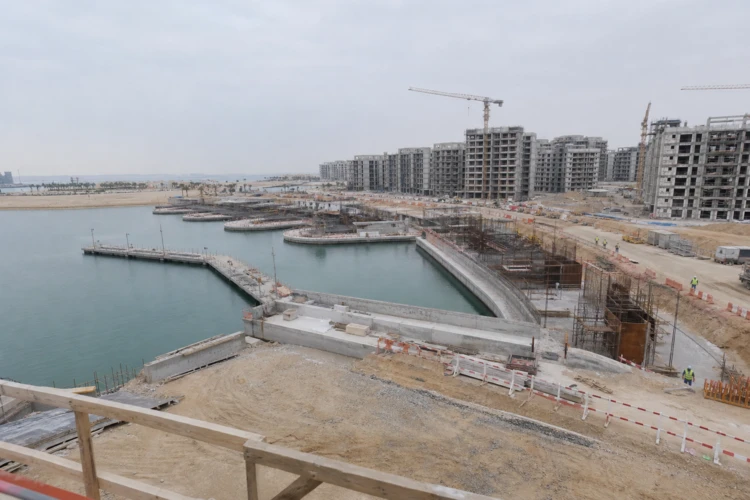
Pipeline capacity is being shaped by hospitality and destination development, even when the end-use is meetings, exhibitions, and entertainment. Skift reports around 252,000 hotel keys have been announced, planned, or are under construction and due to be delivered by 2030 in Makkah and Madinah, citing Knight Frank. It also reports Neom is set to provide roughly 80,000 keys as it prepares for the 2029 Asian Winter Games. Meanwhile, marquee projects including Neom, Red Sea Global, AlUla, Qiddiya, and Diriyah are designed to extend stays and boost average daily spend, supporting year-round programming.
National targets anchor the long-run opportunity. Skift states Vision 2030 sets a goal of 150 million visitors, split as 80 million domestic and 70 million international. It also reports tourism currently accounts for 5% of GDP, with an aim to reach a 10% contribution by 2030. Another source cited by Strategic Gears states tourism contributed 12.4% of GDP in 2024, showing that different reporting frames are circulating across the ecosystem. Separately, Strategic Gears outlines a 2030 goal to create 1.6 million jobs. For the Saudi entertainment events market, these targets reinforce why events, culture, and travel are being treated as one integrated growth story.
Momentum is also visible in business travel. Skift reports Saudi Arabia’s sector grew 7.4% in 2025, and its business travel spending jumped more than 55%, accounting for nearly half of the Middle East region’s sector GDP in that context. That matters because business travel is tightly linked to conferences and exhibitions, and it can help fill hotels and venues outside peak leisure periods. At the same time, Skift flags uncertainty for 2026 due to the Iran war, with forecasts of steep drops in international arrivals and substantial losses in visitor spending. Event planners and investors therefore need flexibility, not just ambition.
What is driving the Saudi entertainment events market right now?
How many visitors does Saudi Arabia target under Vision 2030?
What role does domestic travel play in Saudi Arabia’s visitor economy?
What are the biggest constraints on becoming more event-friendly?