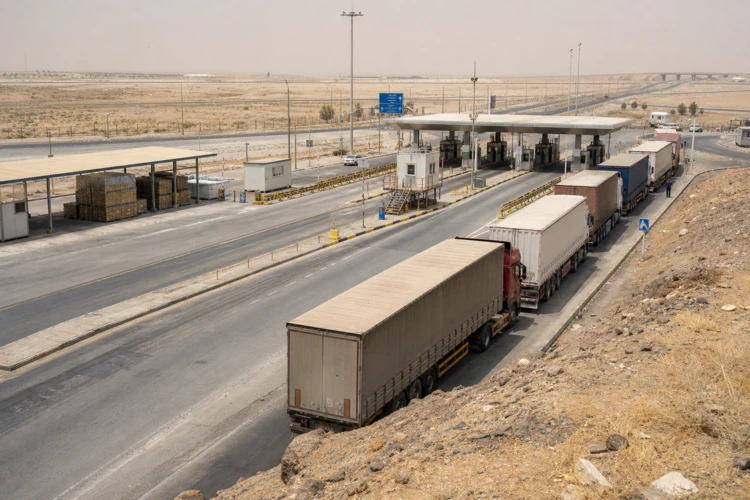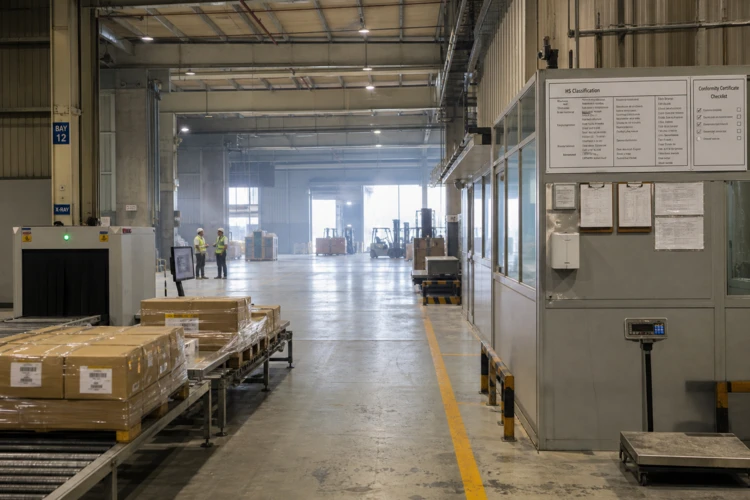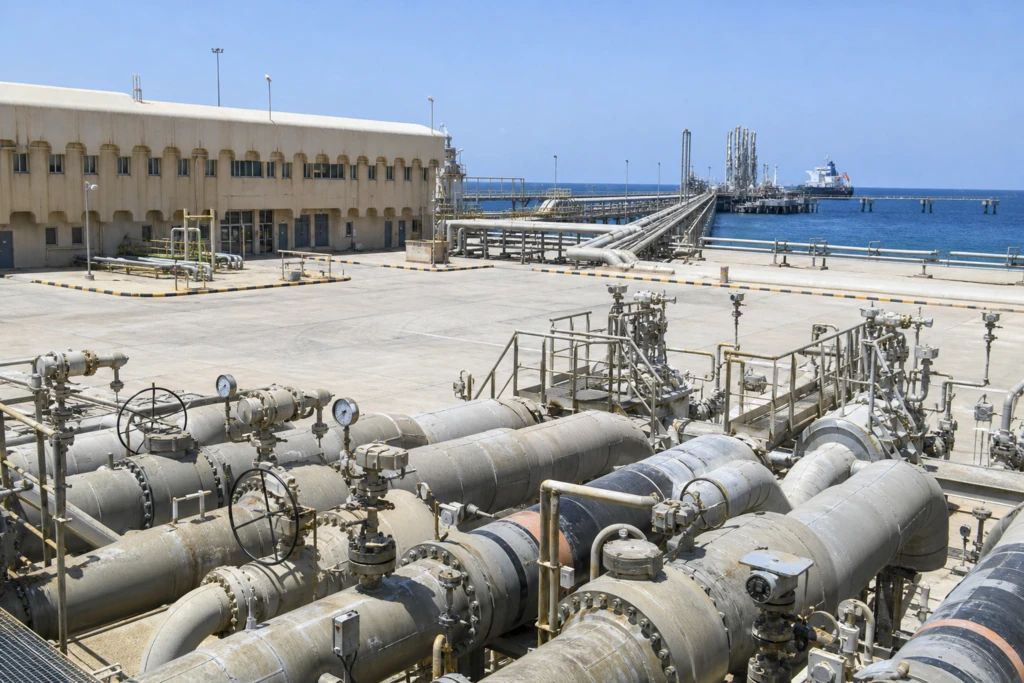
Iran largely blocked shipping through the Strait of Hormuz from 28 February 2026 after the United States and Israel launched an air war against Iran. The IRGC warned vessels away, boarded and attacked merchant ships, and laid sea mines, and the number of tankers transiting fell near zero. Before the war, the strait handled about 25% of the world’s seaborne oil trade and 20% of global LNG, and in 2025 it carried nearly 20 million barrels per day of crude oil and products (about 19.88 mb/d: 14.95 mb/d crude and 4.93 mb/d products). For Saudi Arabia, the shock was not only about exports. It also re-priced the cost of shipping, the availability of marine insurance, and the reliability of imported inputs tied to global energy and commodity chains.
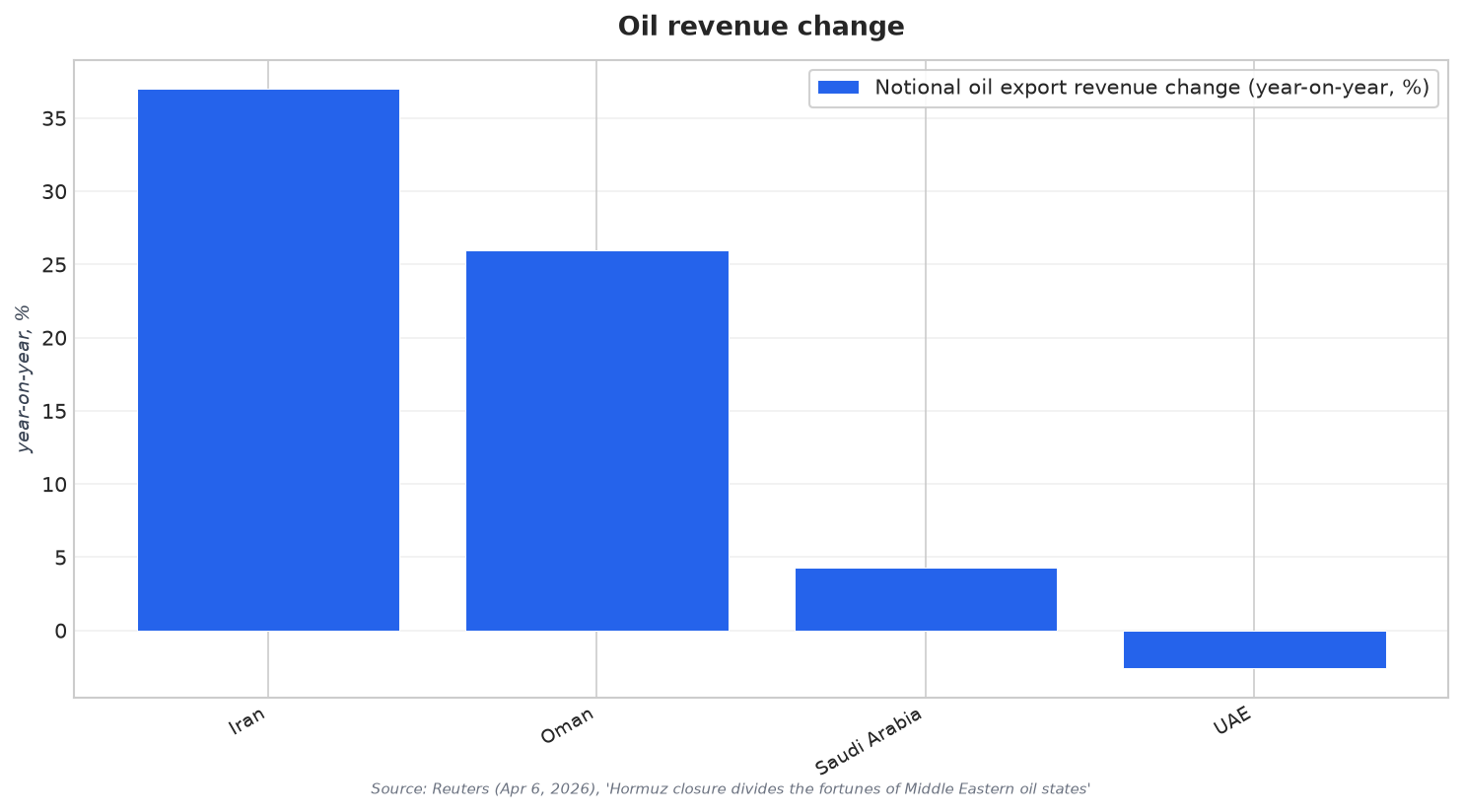
Prices moved fast. Brent crude surpassed USD 100 per barrel on 8 March 2026 for the first time in four years and rose to a peak of USD 126 per barrel, with the largest-ever monthly increase in March 2026. Reuters’ analysis of March export data found Saudi Arabia’s oil revenues increased by 4.3% year-on-year, as the price surge offset lower volumes. That price effect mattered for public finances because higher prices mean increased royalties and taxes from Saudi Aramco, which is overwhelmingly owned by the government and its sovereign wealth fund. But higher prices did not remove the physical constraint: a route that normally carries a quarter of seaborne oil trade was suddenly unusable or too risky to traverse.
Bypass Economics: When Pipelines and Ports Become Policy
The crisis turned bypass capacity into a strategic lever. Congress.gov noted Saudi Arabia could maximize throughput on the East-West crude oil pipeline to the Red Sea at approximately 7 million barrels per day, while another source described East-West Petroline capacity at 5–7 million bpd. A separate industry report stated Saudi Arabia planned to expand Yanbu exports to 5 mb/d. In the same reporting, the strait’s 2025 flows to Asia represented 80% of total Hormuz flows, showing why redirected Saudi volumes and Red Sea logistics became central to trade planning. Even so, the closure’s persistence was reinforced by prohibitively expensive or unavailable maritime insurance and seafarers refusing to transit, meaning rerouting was not a one-time fix but an ongoing economic redesign.
Import economics were rewired too, because the Hormuz corridor is not only about crude. One analysis reported the strait carries about one-third of global seaborne fertilizer trade, and Wikipedia noted other commodity markets suffered supply disruption and price increases during the crisis, including aluminum, fertilizer, and helium. For Saudi Arabia, that meant the shock could arrive indirectly through pricier or less reliable imported materials, higher transport costs, and wider inflation pressures transmitted through energy-linked supply chains. The International Energy Agency described the conflict as the world’s biggest energy supply shock yet, citing more than 12 million barrels per day of regional shut-ins and damage to about 40 energy facilities. Those constraints created a broader cost-of-risk environment that sat on top of day-to-day procurement decisions.
Operational risk stayed elevated well beyond the first headlines. Congress.gov reported periodic Iranian attacks and retaliatory U.S. strikes severely disrupted traffic through the strait for most of the past five months as of early August 2026, with mid-July attacks higher than at any point since April. It also flagged additional risks from Houthi attacks in Yemen against Saudi Arabia-linked vessels and other energy targets, including the Red Sea–Bab el Mandeb corridor. Meanwhile, the International Maritime Organization reported on 21 April that about 20,000 mariners and 2,000 ships were stranded in the Persian Gulf due to the closure. The net result was a lasting re-pricing of route security, with Saudi trade and energy economics leaning harder on Red Sea options and risk management even when diplomacy signaled progress.
What changed first in the Strait of Hormuz disruption in 2026?
How did oil prices move during the crisis?
What was the Strait of Hormuz impact on Saudi Arabia’s oil revenues in March 2026?
What bypass option did Saudi Arabia have when Hormuz shipping was disrupted?
Why did the closure remain hard to unwind even after talks and announcements?