Saudi petrochemicals investment is increasingly framed around a liquids-to-chemicals logic: turn low-cost hydrocarbons into higher-value chemical products, then expand downstream manufacturing. The sector sits inside Vision 2030’s industrial diversification agenda, and the corporate anchor is SABIC, now majority-owned by Saudi Aramco after the 2020 acquisition. One sector overview describes that deal as Aramco buying a 70% stake in SABIC from the Public Investment Fund in a transaction valued at USD 69.1 billion. Another investment summary adds that SABIC’s global revenues exceed USD 40 billion annually. Together, this integration is positioned as a vertically integrated hydrocarbons-to-chemicals value chain that strengthens feedstock access, infrastructure utilization, and product reach.
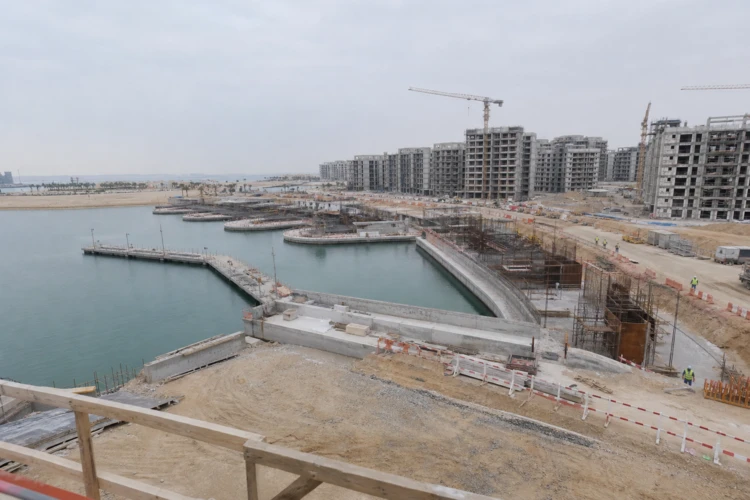
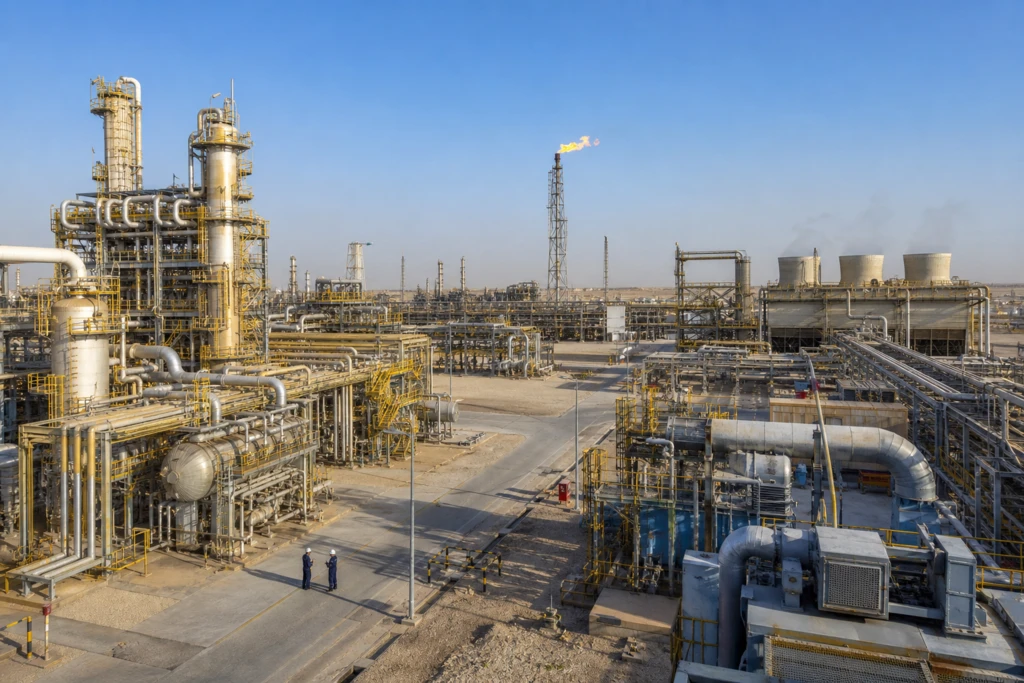
The physical backbone for this shift is Saudi Arabia’s industrial clustering model. Jubail and Yanbu are described as the primary production hubs developed and managed by the Royal Commission for Jubail and Yanbu. Jubail Industrial City alone is cited as hosting over 150 petrochemical and chemical plants connected by an integrated pipeline and utilities network, enabling large-scale, connected operations. Ras Al Khair and Jazan are presented as emerging secondary production centres. The same investment overview estimates the sector employs approximately 250,000 workers directly and indirectly, and reports that Saudi petrochemical exports reached approximately USD 45–50 billion in 2025, described as the Kingdom’s largest non-crude export category.
Crude-to-Chemicals: Bypassing Traditional Refining Economics
Crude-to-chemicals is presented as the step-change that reshapes the Saudi petrochemical value chain, because it targets direct conversion into chemical feedstocks rather than maximizing fuels. Aramco’s crude oil-to-chemicals (COTC) investment is described as aiming to convert up to 50% of crude barrel output directly into chemical feedstocks. That same 50% figure is repeated in a market outlook that argues the pathway “fundamentally” improves production economics and supports competitive exports at scale. One planned example is the Ras Al Khair complex, which is described as targeting 4 million tonnes per annum of chemicals output. Alongside new builds, Aramco’s technology route includes a joint development agreement with Honeywell and King Abdullah University of Science and Technology to co-develop next-generation crude-to-chemicals technologies intended to enhance fuel efficiency, improve carbon utilization, and make chemical production more cost-effective and efficient at scale.
This bet also interacts with the Kingdom’s cost structure and market scale. An investment summary states that administered prices for ethane and other gas liquids create a cost-of-production advantage of 30–50% versus European and Asian competitors for commodity chemicals. At the same time, sources emphasize that the Kingdom is moving beyond commodity petrochemicals into specialty chemicals, performance materials, and advanced polymers, tying the shift to margin improvement objectives and domestic manufacturing needs in sectors including automotive, construction materials, packaging, and electronics. Market sizing in one report puts the Saudi Arabia petrochemicals market at USD 58 billion in 2025, and projects USD 83 billion by 2033, with a CAGR of 4.6% during 2027–2033, framing a larger runway for value-chain expansion.
Near-term value chain reshaping is also happening through integrated projects that link refinery streams to chemical derivatives. One production-chemicals market note calls out the USD 11 billion Amiral petrochemical complex in Jubail, described as a mixed-feed steam cracker capable of producing 1.65 million tonnes of ethylene annually, plus polyethylene and derivatives, with commercial operations targeted for 2027. The same note highlights further downstream integration via the Samref refinery upgrade venture, where ExxonMobil, Aramco, and Samref are evaluating expansion into an integrated petrochemical complex focused on high-performance chemicals and lower emissions. Yet the transition is not frictionless: the same source reports that in 2025, Saudi Aramco officially increased feedstock prices, including ethane and methane, impacting downstream industries like petrochemicals.
How does Aramco’s liquids-to-chemicals strategy change the Saudi petrochemical value chain?
What is the scale of SABIC-Aramco integration cited in the sources?
Which industrial hubs are central to Saudi Arabia’s petrochemicals build-out?
What projects are highlighted as part of Saudi Arabia’s crude-to-chemicals direction?
How big is the Saudi petrochemicals market in the sources discussing Saudi Arabia crude to chemicals?