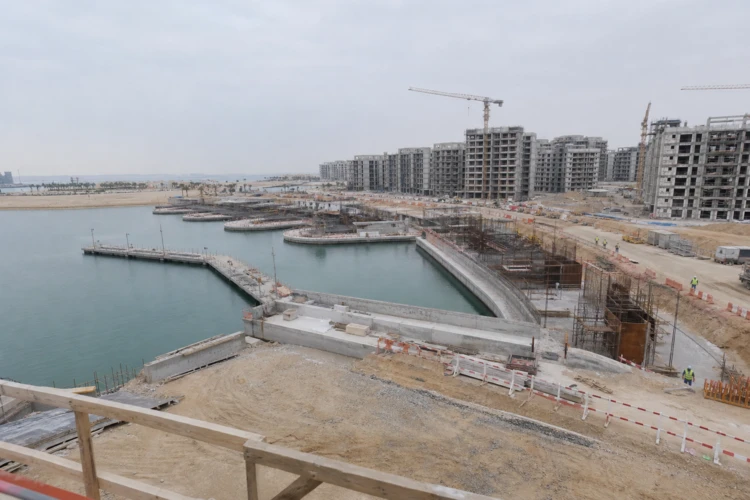
Saudi Arabia’s Red Sea tourism buildout is facing a moment of scrutiny. Multiple reports citing sources familiar with the plans say the Kingdom is scaling back ambitions to build 81 luxury resorts on the Red Sea by 2030, amid what they describe as a broader reassessment of the scope and pace of “giga-projects.” In the same reporting, sources claim construction would halt at the end of 2026, with job impacts described as “dozens” at Red Sea Global (RSG) and “hundreds” at contracting firms. RSG, however, denied plans to downsize and said the project would continue after the initial phase of 27 resorts is completed this year.
The tension sits between two narratives: a pause versus a recalibrated delivery schedule. A senior RSG source quoted in the reporting said a decision was taken to stop work on Phase Two, and another source cited operating costs exceeding revenues “in a way that has become unsustainable.” Seven sources across RSG, other giga-projects, and related consultancies also said the Red Sea construction would be put on pause. Yet RSG’s statement to AFP emphasized a sequenced approach, saying Phase Two projects are in design development, approvals, and commercial structuring, and that this is where they should be at this stage, including work tied to the residential development of Laheq Island.
A Pipeline Under Pressure: Supply, Demand, and Competing Priorities
Even without a single definitive timeline in public, the debate matters because it intersects with Saudi Arabia’s wider hotel pipeline. A hospitality market analysis notes that the Kingdom’s “Regional” submarkets have nearly 39% of current inventory under construction, and argues the next five years hinge on whether demand growth can keep pace with supply growth. Separately, a 2026 tourism investment report says Saudi Arabia recorded over 100 million domestic and international visitors in 2025 and that approximately 100,000 hotel rooms remain in the active development pipeline across the Kingdom, with growth concentrated in AlUla, the Red Sea Project, and Riyadh. In that context, any delay or pause at the Red Sea would affect the sequencing of luxury supply, not the broader strategic bet on tourism.
Several sources tie the Red Sea reassessment to budget realities and national scheduling constraints. Officials acknowledge a pullback in giga-projects after taking on the infrastructure commitments of Expo 2030 in Riyadh and the 2034 World Cup. Finance Minister Mohammed al-Jadaan said, “Some (giga-projects) will be scaled down. Some will be delayed.” The same reporting says profits have fallen for 11 straight quarters at Saudi Aramco, and sources described a view that it is “impossible to work on all these projects at the same time.” Another source said expectations that the Red Sea would attract more capital and become financially sustainable “never happened.”
What comes next is likely to be defined by phasing discipline and a sharper filter on returns. In a separate analysis, Forbes said RSG’s Phase 2—roughly 50 additional resorts representing an estimated $10–12 billion in projected capital expenditure—has effectively stalled, framing it as part of a broader pivot of capital toward AI infrastructure and critical minerals. Meanwhile, the Red Sea and AMAALA plans described in the reporting still outline large-scale place-making: AMAALA is envisaged to stretch along 68 kilometres of coast and cover 4,155 square kilometres, with 30 resorts and a yacht club powered by renewable energy; the Red Sea Project includes an international airport and plans for 50 resorts, some on three islands. Whether the next chapter is a pause or a resequencing, the market signal is that delivery timing now matters as much as destination vision.
What is driving reports of a Red Sea Global Phase 2 construction halt?
How many resorts were planned, and what is the status of the initial phase?
What job impacts were mentioned in the reporting about a pause?
How does this compare with Saudi Arabia’s wider hotel pipeline?
What other national commitments are shaping giga-project timelines?