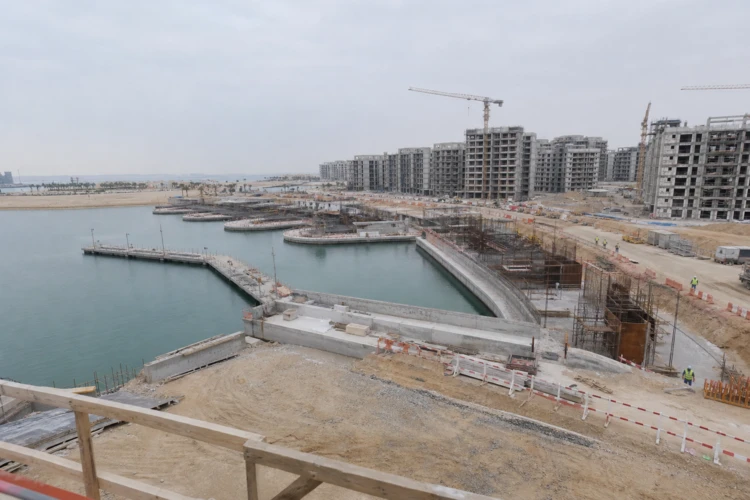
The NEOM Oxagon industrial hub is framed, in public announcements, as a place where advanced manufacturing and clean operations can be built into the core model. A key signal is a strategic memorandum of understanding involving WuXi AppTec and NEOM to explore the localization of pharmaceutical research, development and manufacturing in Saudi Arabia. The agreement explicitly references establishing “world-class CRDMO facilities at Oxagon, NEOM’s advanced and clean manufacturing city, or other locations in Saudi Arabia.” For global manufacturers, that wording matters. It indicates Oxagon is being positioned not only as industrial real estate, but as a platform meant to attract specialized, regulated, and innovation-driven production models.
That same MoU also shows the type of industrial logic Oxagon is leaning on: leveraging a company’s “unique expertise and global network” to “drive innovation” and “accelerate the growth” of a targeted sector—in this case biotechnology. For multinational teams, this is a familiar playbook. It relies on ecosystem formation, not just factory commissioning. NEOM’s own description of the broader development emphasizes “hyperconnected, cognitive cities, ports and enterprise zones,” plus “research centers,” and a role as a hub where companies can “research, incubate and commercialize new technologies.” Even without a full list of incentives in the sources, the intent is clear: Oxagon is being marketed as an integrated location where R&D, manufacturing, and commercialization can sit closer together.
NEOM’s Review and Why Manufacturers Should Read It as a Timing Signal
Manufacturing location decisions are not only about the vision statement. They are also about delivery risk and sequencing. A separate report notes that work stalled after the longtime chief executive Nadhmi al-Nasr departed in November 2024. It adds that his replacement, Aiman al-Mudaifer, launched a “comprehensive review of the scope and priority of the projects within the development.” According to the UK’s Financial Times, a nearly completed review will propose a “significant downscaling and redesigning” of NEOM. The same report says the year-long review is expected to conclude by the end of the first quarter of the year or shortly after. For global manufacturers, this kind of review can affect what gets built first, how quickly enabling infrastructure comes online, and which zones receive priority attention.
One possible outcome highlighted in reporting is a partial repurposing of NEOM as a data centre hub. The logic offered is resource-based and operational: NEOM “has large amounts of renewable energy, land, and existing digital infrastructure,” and because it is on the coast it will have “access to seawater cooling.” Even if your business is not data centres, this matters. Modern manufacturing depends on the “information layer,” and fragmented systems can create bottlenecks, as one analysis of manufacturing operations argues when it describes how coordination can spiral when quoting, revisions, and quality tracing are not unified. If a NEOM refocus elevates digital infrastructure, it may indirectly strengthen the industrial operating environment that advanced manufacturers depend on.
For manufacturers comparing regional hubs, it is useful to separate what is unique to Oxagon from what is part of a broader Middle East trend toward cleaner industrial ecosystems. Commentary about Oman’s Al Duqm, for example, describes an ecosystem approach that clusters industries, renewable resources, and enabling technologies, and notes that to be “certified as net-zero” you must “quantify and verify everything.” It also highlights how policy choices can drive emissions outcomes, including an example that an EV-only transport policy could cut emissions by up to 20% where transport contributes nearly 90% of certain local operations’ emissions. The lesson for Oxagon decision-makers is straightforward: beyond site selection, outcomes depend on measurable systems, integration, and enforceable operational policies.
So what does the NEOM Oxagon industrial hub mean for global manufacturers right now, using only what the sources support? First, Oxagon is being actively positioned for “advanced and clean” manufacturing, with a concrete collaboration pathway in pharmaceuticals via the CRDMO concept. Second, the wider NEOM project is under review, with the possibility of downscaling and reprioritization, and with a data-centre emphasis discussed in reporting—factors that can shift industrial timelines. Third, the competitive bar in the region is increasingly about integrated ecosystems, verification, and long-term operational policies that reduce emissions while keeping production reliable. For manufacturers, the practical next step is to map Oxagon’s evolving priority stack against your own program timing, compliance needs, and digital-operational requirements.
What is the NEOM Oxagon industrial hub positioned to be?
What deal signals near-term industrial activity at Oxagon?
How could NEOM’s ongoing review affect manufacturers considering Oxagon?
Why does a potential data-centre refocus matter to manufacturers?