Supplier maps in Saudi Arabia are being redrawn because the operating environment is no longer defined only by long-term transformation plans. AABDCEGYPT frames 2026 as the start of Vision 2030’s third phase, with an emphasis on sustaining delivery after years of institutional build-out. It also notes that PIF’s 2026–2030 strategy explicitly shifts from rapid growth toward value realization and broader private-sector participation. At the same time, AABDCEGYPT points to near-term constraints that force procurement teams to be more selective, including GASTAT’s Q2 2026 flash estimate showing real GDP contracted 4.8% year on year, driven by a 24.7% decline in oil activities, while non-oil activities were 0.6% above Q2 2025. In that mix, procurement strategy becomes a question of what demand is commercially accessible and which supply gaps are still open.
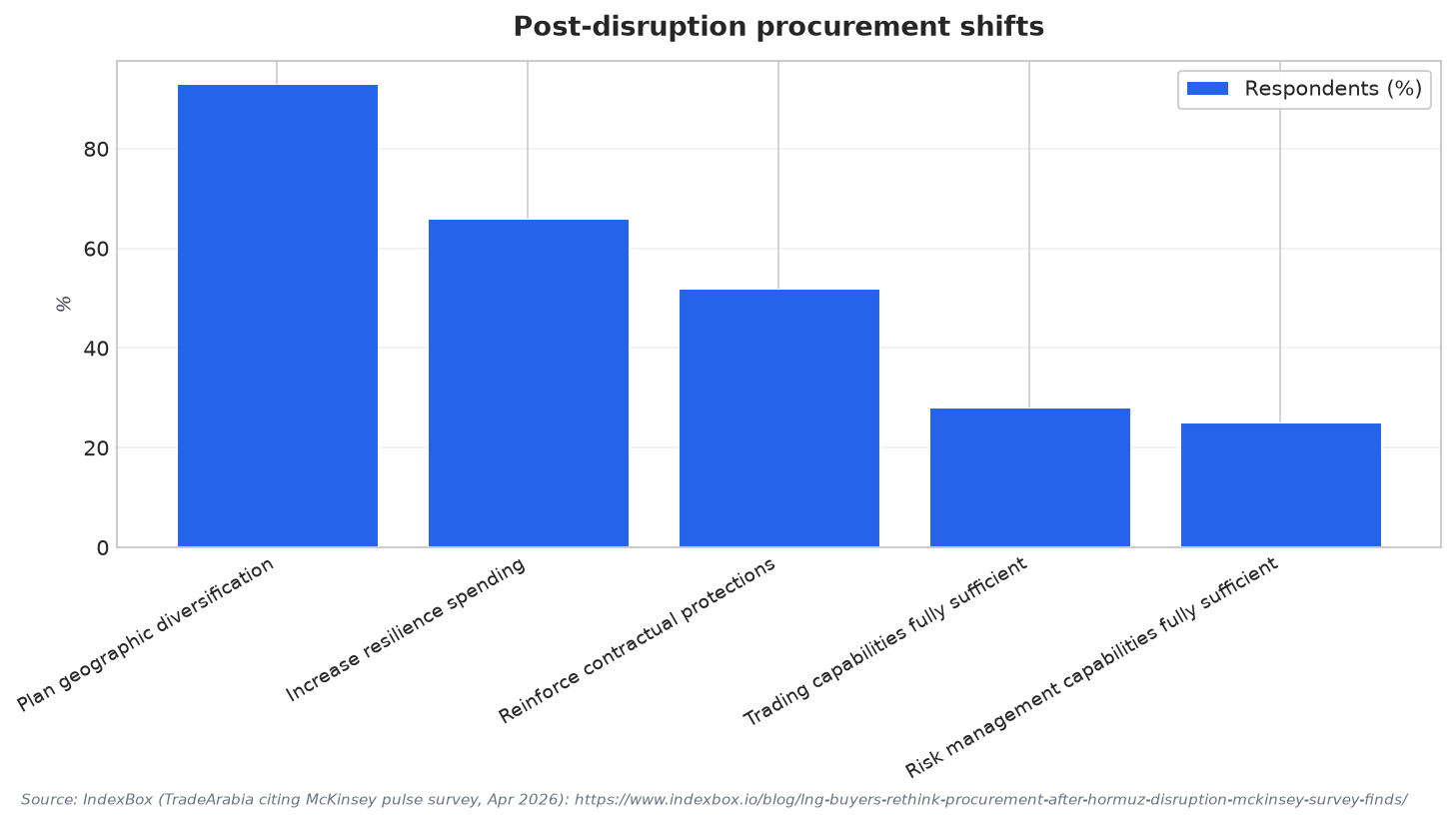
Signals from a global procurement pulse survey help explain why diversification has become the default response after supply shocks, even when the survey is not Saudi-specific. A McKinsey pulse survey in April 2026 covered 30 LNG buyers across 14 countries representing roughly 80% of worldwide LNG demand. About 80% of respondents expected their LNG procurement strategies to change after disruption in the Strait of Hormuz. Geographic diversification was the most widely planned response, cited by 93% of respondents, and 52% anticipated reinforcing contractual protections, with force majeure provisions highlighted as the leading priority. The same survey found 66% were increasing spending on physical resilience measures such as storage infrastructure and shipping, but only 28% viewed trading capabilities as fully sufficient and 25% said the same about risk management. For Saudi procurement leaders, the takeaway is not that LNG equals every category, but that shock-driven behavior shifts quickly toward more suppliers, more optionality, and tighter contract language.
Diversification Only Works When Procurement Access Is Clear
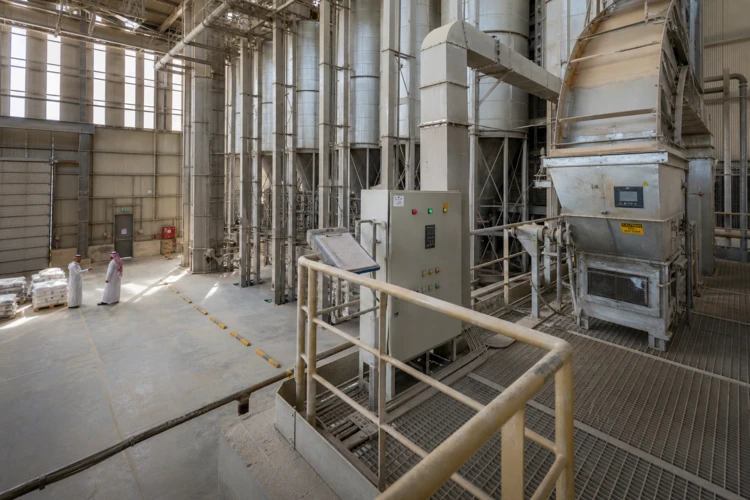
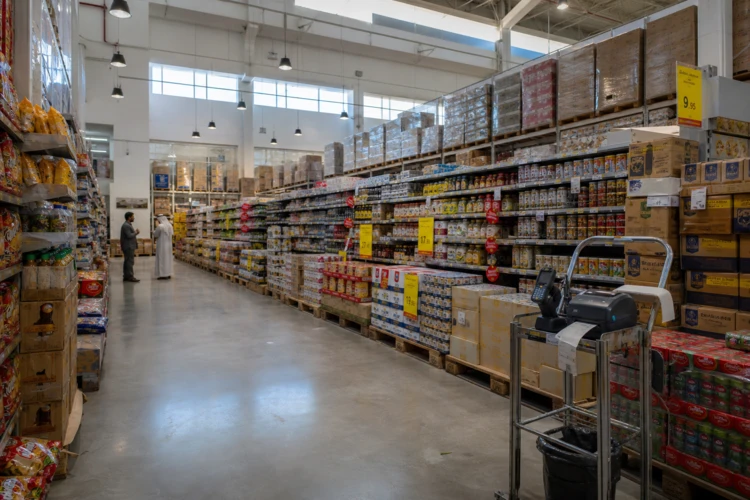
In Saudi Arabia, supplier diversification is constrained by how procurement actually flows through buyers, projects, and operating sites. AABDCEGYPT argues executives need to move from broad “market attractiveness” to “opportunity accessibility,” mapping who controls demand, what qualification is required, and where supplier and capability gaps remain. In industrial categories, it warns that product usage is not the same as commercial accessibility: one international manufacturer can sell through a distributor, while another needs a local technical entity with inventory and a service team. The recommended sequence is explicit: Industrial Demand → Buyer → Procurement Access → Supply or Capability Gap → Qualification → Localization → Entry Route → Recurring Economics → Competition → Company Fit → Decision. That framing matters because “diversifying” without understanding access can create a long list of suppliers that still cannot be onboarded, qualified, or operationally supported in time.
Global sourcing data also shows diversification can be measurable and rapid, but the scope must be stated correctly. LooperBuy, citing the QIMA Q1 2026 Supply Chain Barometer, reports that for North American buyers the combined share of the top three supplier countries (China, India, Vietnam) fell from 61% to 54% in a single year, described as “record diversification.” Separately, LooperBuy cites DP World’s Global Trade Observatory survey that 58% of Chinese supply-chain executives plan to increase suppliers and diversify sourcing in 2026. These are not Saudi figures, but they help contextualize what “rebuilding supplier maps” looks like when procurement teams move quickly. For Saudi buyers, the comparable play is often to spread exposure across more qualified sources while still maintaining continuity on critical categories that depend on specialized technology or established supply chains.
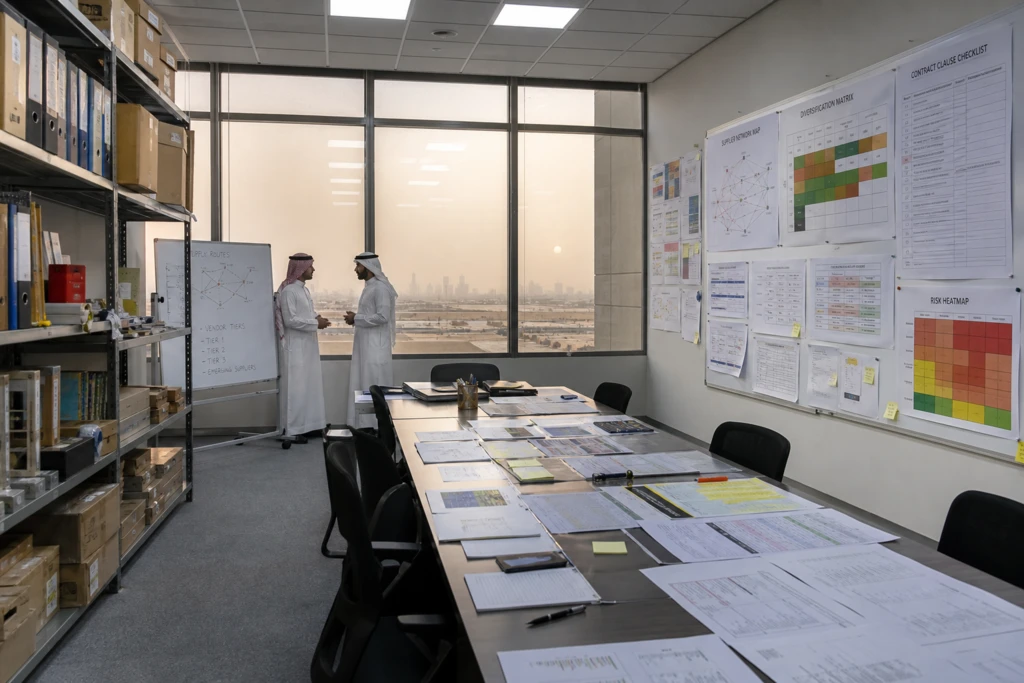
A practical 2026 supplier-map rebuild for Saudi Arabia should combine resilience behavior with Saudi-specific procurement mapping. AABDCEGYPT notes imports can remain economically rational due to global scale, intellectual property, specialized technology, low local demand, or established international supply chains. It also cautions against project dependence: a supplier whose entire Saudi case depends on one announced project is betting on a single procurement event, not building a diversified position. The strongest procurement response, therefore, is a dual track: diversify where qualification and localization pathways exist, and deepen contractual protections and operating readiness where switching is hard. This is the core lesson a Saudi Arabia B2B procurement survey should capture in 2026: diversification is not a slogan; it is a governed portfolio of accessible suppliers tied to clear entry routes, localization requirements, and recurring economics.
What does a 2026 Saudi Arabia B2B procurement survey reveal about diversification after supply shocks?
Which diversification signals stand out in the April 2026 McKinsey LNG buyer survey?
Why is “opportunity accessibility” critical when diversifying suppliers in Saudi Arabia?
What macro conditions in 2026 push Saudi procurement teams toward more disciplined supplier selection?
What non-Saudi sourcing data illustrates how fast diversification can happen?