Strategic reserves are not only a public-policy tool in the Kingdom. They also shape what manufacturers, importers, and retailers build for. In grain, Saudi Arabia is described as a structurally import-dependent consumption system where domestic “supply” is largely storage, processing, and blending infrastructure. SAGO maintains strategic reserves intended to cover several months of consumption, while private millers and feed companies hold working inventory. For companies competing in Saudi Arabia food stockpiling, this means demand is not just about consumption today, but also about the capacity and timing of reserve rebuilding when global prices soften.
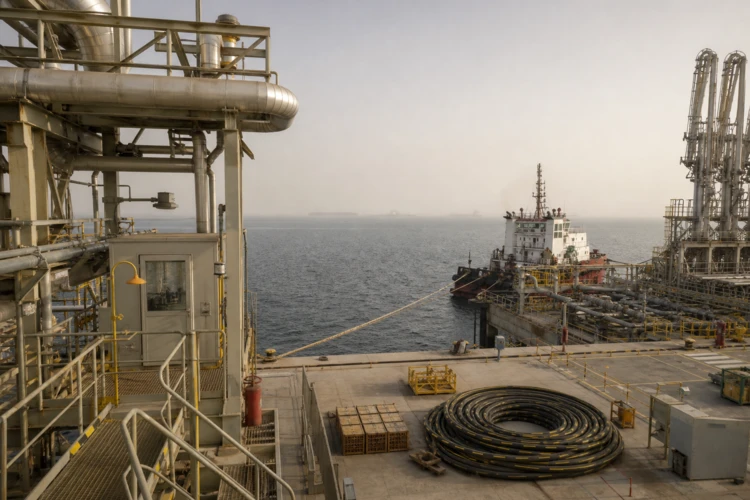
The reserve story is increasingly linked to how demand is split inside the grain economy. Feed grain demand is rising faster than food grain demand, driven by poultry output targets under Vision 2030 food-security programs. The same grain report notes that maize and barley imports for feed now represent a larger share of total grain tonnage than wheat for direct milling. Procurement influence is also concentrated. Expanded strategic storage reduces short-term supply shock risk, but it concentrates buying power and favors large global trading houses that can serve multi-cargo tenders. Logistics concentration at a handful of ports—Jeddah Islamic Port, King Abdulaziz Port in Dammam, and Yanbu—adds urgency to resilient routing and inland silo networks.
Emergency Food and Packaging: Where Shelf-Stable Becomes Strategic
Outside bulk grains, the shelf-stable segment is formalized in market definitions used by industry research. IndexBox frames “Emergency Food” as shelf-stable, long-duration products designed for crises, disasters, or supply chain disruptions. It emphasizes minimal preparation and complete nutrition, and examines demand through feedstock sourcing, processing and conversion, blending and formulation logic, end-use applications, regulatory and quality requirements, procurement behavior, and channel models. This matters because emergency-ready foods do not sell on taste alone; they compete on documentation, release procedures, quality systems, and the ability to perform through long ambient storage. Packaging is part of the product design, which is why the Food Can market framework in Saudi Arabia is analyzed as rigid metal containers used for thermal processing, hermetic sealing, and long-term ambient storage.
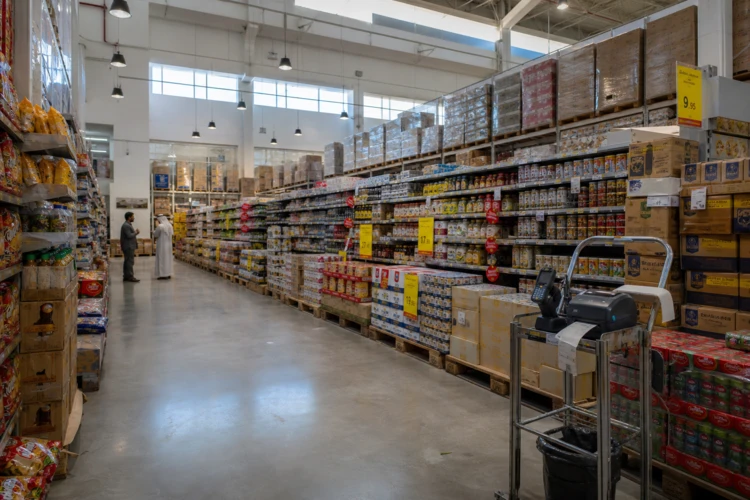
Modern retail execution turns stockpiling into everyday buying behavior. Technavio values Saudi Arabia’s food retail market at USD 57,276.3 million in 2025 and highlights a rapid structural shift where modern retail formats account for over 70% of grocery sales. The same analysis links competition to private label strategy and supply chain localization, framing both as ways to support national food security goals and resilience against disruptions. It also notes that retailers optimizing supply chains with direct farm partnerships can reduce spoilage rates for fresh produce by up to 15%, freeing operational capacity and budget that can be redeployed into shelf-stable assortments, backroom inventory, and emergency-ready bundles.
On the supply side, scale and logistics discipline help firms serve spikes in shelf-stable demand. Mordor Intelligence places the Saudi Arabia food and beverage market at USD 38.38 billion in 2026, forecasting growth at a 5.59% CAGR to USD 50.38 billion by 2031. It also describes vertical integration as a competitive response among established domestic players. Almarai is cited as running end-to-end operations, supported by a fleet of 1,400 trucks that enable a 24-hour milk-to-shelf cycle. Demand planning also has a clear horizon: by 2030, the government aims to welcome 30 million Umrah visitors, a target expected to lift demand for shelf-stable halal packs, portioned dairy desserts, and bottled water, and to ripple into packaging, distribution, and procurement priorities.
What is driving the business case for strategic food reserves in Saudi Arabia?
How is grain demand shifting inside the Kingdom?
How does modern retail affect emergency and shelf-stable demand?
What does “emergency food” mean in market analysis relevant to Saudi Arabia food stockpiling?
Which demand signals could lift shelf-stable packs and emergency-ready formats by 2030?