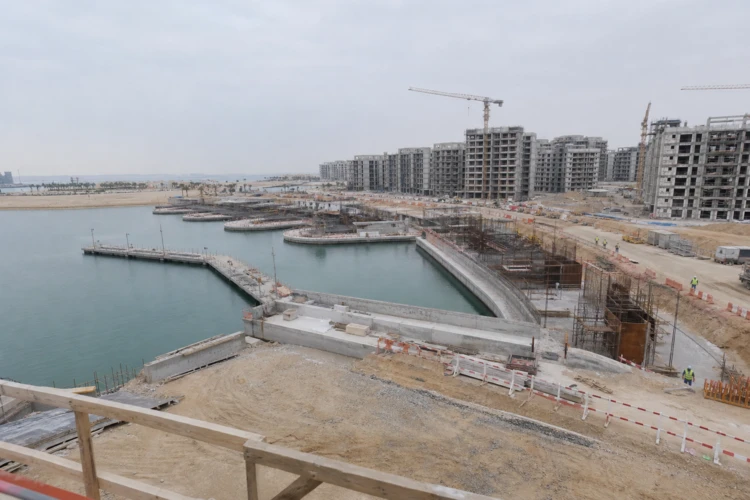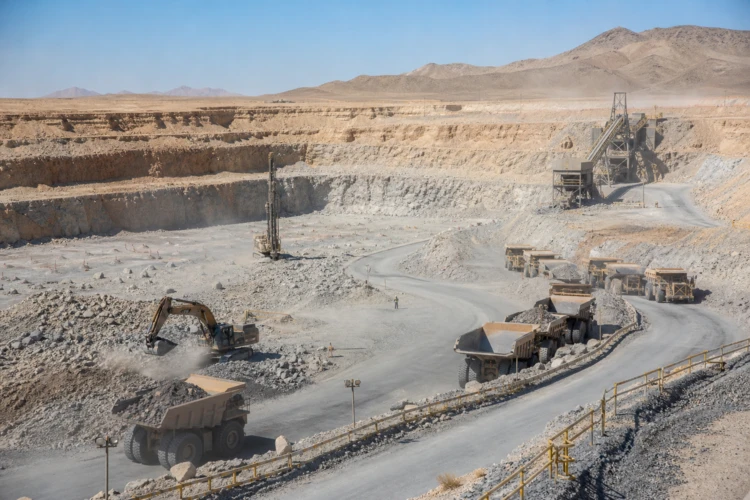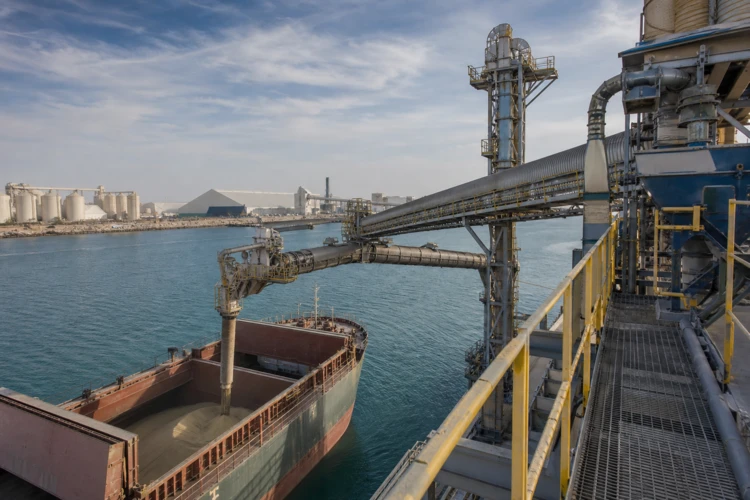
Saudi Arabia modular construction is rising in visibility because mega-projects and industrial growth are increasing pressure on timelines. One source says industrial activity reached record levels in 2025, and that by the third quarter of 2025, non-oil business activity rose 48% year-on-year. At the same time, the country is evolving toward more complex manufacturing, aligning with Industry 4.0 principles. Modular and precast methods fit this direction because they shift more work into repeatable processes and controlled production, rather than relying on unpredictable site conditions.
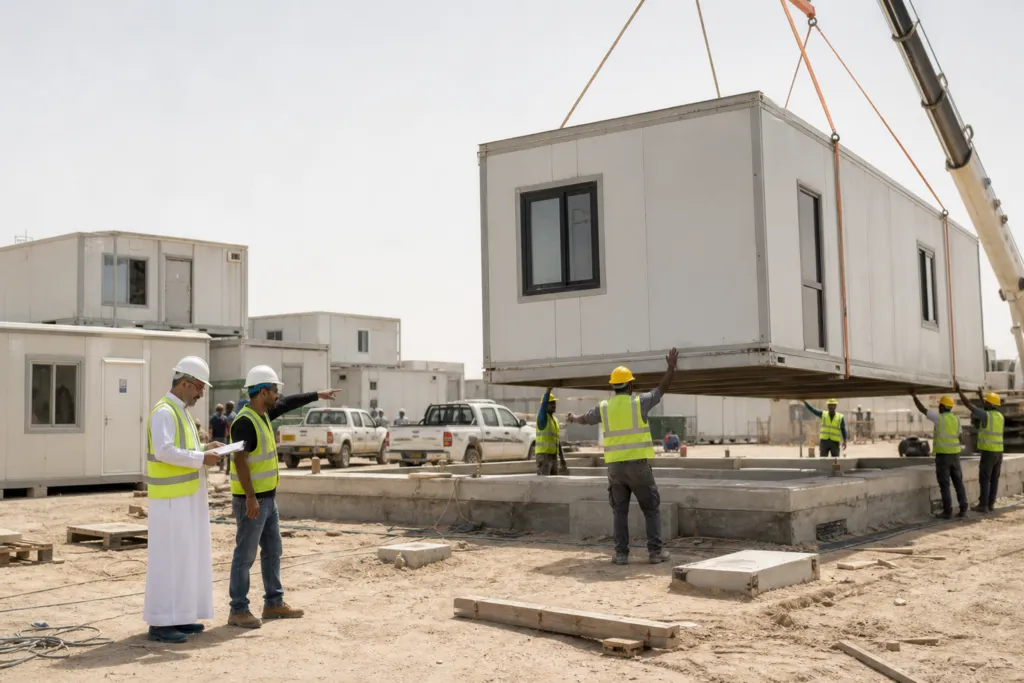
Speed is a core driver. A press release describing modular delivery for the Saudi NEOM project highlights the need to mobilize large volumes of housing in short timeframes. It also describes a manufacturing approach that shifts more than 90% of the building process from the construction site to a controlled factory setting. The stated benefit is risk reduction versus traditional building, especially when schedules are tight and site variables can disrupt progress. Even when a market’s pace becomes volatile, faster delivery methods can remain attractive for critical accommodation and infrastructure packages.
Why Heat and Reliability Are Becoming Design Constraints
Extreme climate performance is another adoption trigger, especially for worker housing and project support buildings. The same NEOM-related source frames the challenge as the need to withstand “extreme desert climates,” and says the delivered modules offered superior thermal insulation and structural durability. In parallel, a separate Saudi-focused report on cooling investment states that giga-projects are driving “unprecedented demand for energy-efficient infrastructure,” and that cooling and decarbonization are “no longer optional extras but core design constraints.” It also notes that equipment can be tuned for “extreme heat and humidity,” and that local production can reduce lead times.
Industrialization in construction works best when design, manufacturing, and compliance are connected. A modular analysis referencing a McKinsey report based on 700 firms in 50 countries says margins are not tied to whether modules are 2D panels or 3D volumetric units. Instead, the difference is whether the modularization process is tied into a closed loop that enables repetition and refinement. The same report warns about overexpansion, citing cases where firms invested in fully automated factories before securing demand, leading to low capacity and fragile balance sheets.
On-site precision still matters, because modular builds are not fully off-site. A report on prefabricated construction emphasizes that fitting modular portions to the on-site structure is critical, and any deviation from tolerance can create costly delays. It describes how terrestrial laser scanning can provide as-built updates so prefabricated parts fit before leaving the factory, and how frequent 3D data can align with BIM processes. For Saudi Arabia modular construction, this kind of verification supports speed goals while protecting quality when site conditions are challenging.
Saudi Arabia’s broader industrial shift supports this construction transition. One source says the range of manufactured goods expanded to 612 in 2024, which is 54 more than in 2020, and that complex, knowledge-intensive products increased from 100 in 2020 to 123 in 2024. This movement toward higher sophistication helps explain why factory-led construction methods can gain ground. When schedule pressure meets extreme heat, modular and precast approaches offer a practical path: more factory control, fewer site risks, and components designed to perform reliably in harsh environments.
What is driving Saudi Arabia modular construction adoption?
How does extreme heat influence modular choices in Saudi projects?
Is modular construction completely off-site?
What do reports say about modular business performance?