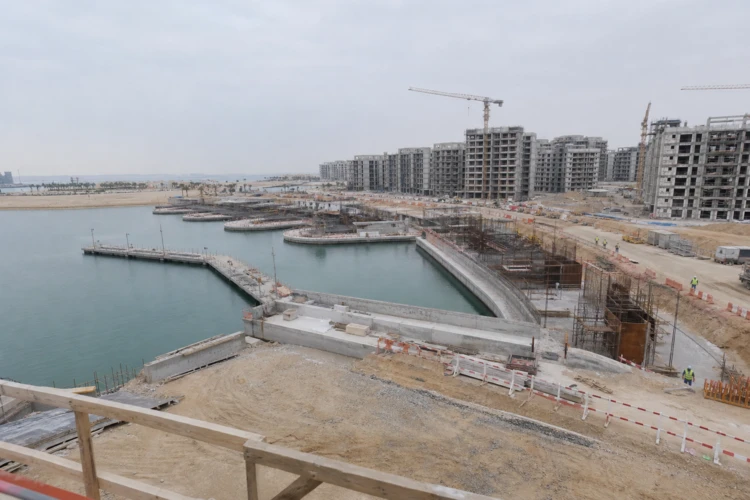
Saudi second-phase industrial incentives are increasingly defined by targeted, advanced-manufacturing support rather than broad, one-size policies. In January 2025, the Ministry of Industry and Mineral Resources announced enhanced industrial incentives for advanced manufacturing facilities, offering land subsidies and utility discounts to metal powder producers establishing operations in Jubail and Yanbu industrial cities. This focus aligns with the wider Vision 2030 push toward industrial diversification and more complex manufacturing. It also supports localization initiatives designed to reduce import dependency for critical materials such as aluminum and copper powders, while building investor-ready industrial clusters with clearer operating economics.
For foreign investors looking for scale signals, recent industrial activity data points to accelerating momentum. The National Industrial Development and Logistics Program issued 1,365 new industrial licenses in 2023, marking a 35% increase from the previous year. Meanwhile, by the third quarter of 2025, non-oil business activity rose 48% year-on-year. Together, these indicators suggest a faster-growing base of industrial projects and a broader private sector. For advanced manufacturers, this expansion matters because it increases the pool of potential suppliers, customers, and service partners that make high-value FDI easier to execute and sustain.
Why Advanced Manufacturing FDI Is Being Pulled Toward Powders, Automation, and Processing
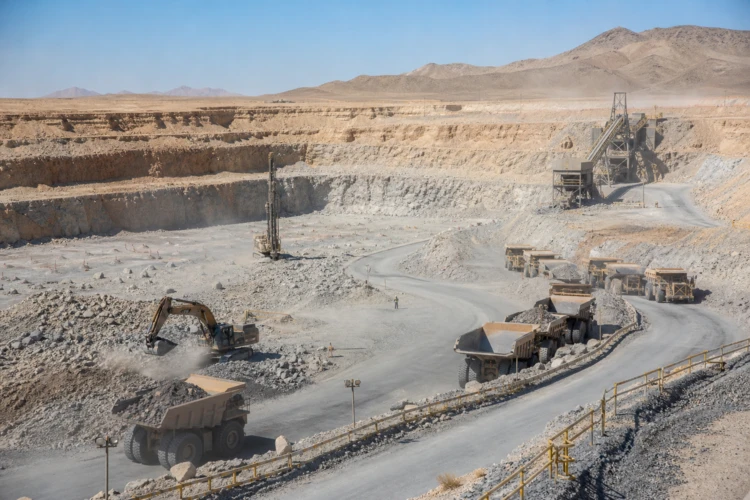
Advanced manufacturing incentives are also being reinforced by capital and capability. In June 2025, the Saudi Industrial Development Fund approved a SAR 850 million financing package for metal powder metallurgy projects, supporting small and medium enterprises investing in pressing, sintering, and additive manufacturing equipment and capabilities. In March 2025, Ma’aden Aluminum Company disclosed expansion plans for aluminum powder production capacity, targeting automotive and aerospace applications with investments in gas atomization technology. These signals matter for high-value FDI because they suggest the ecosystem is being built around specialized inputs and processes, not only assembly.
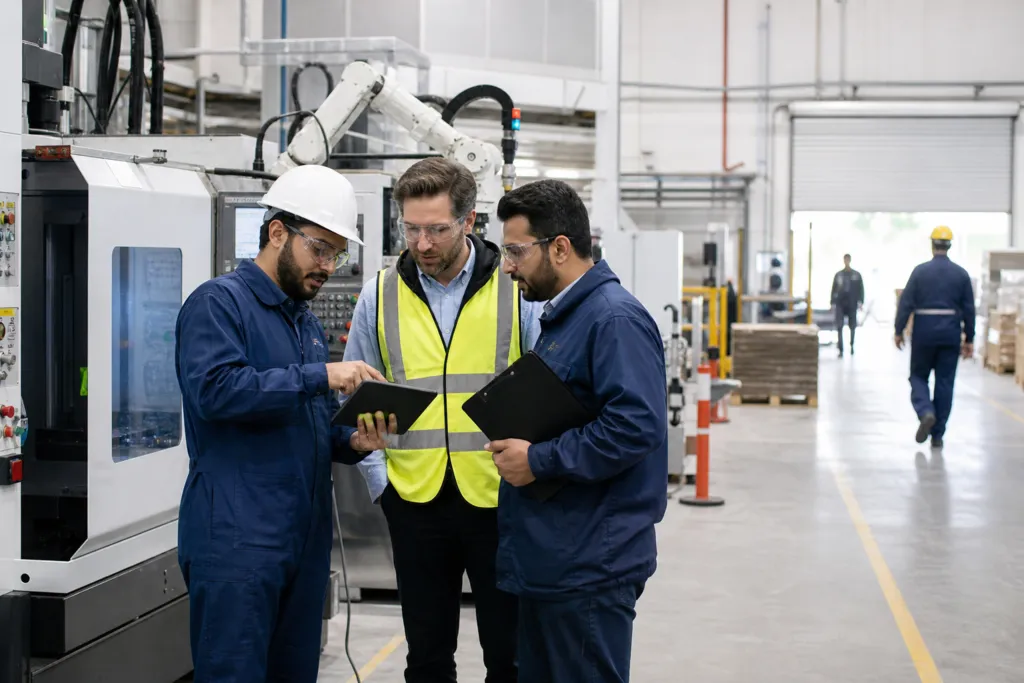
On the factory floor, Saudi Arabia is also funding and organizing adoption of Industry 4.0 tools. In 2022, the Ministry launched the Future Factories Program to support the transformation of 4,000 factories across the Kingdom, shifting from low-skilled, low-wage labor to automation and manufacturing efficiency. The program supports integration of AI, robotics, and automation, and includes financial support programs that cover a significant portion of automation costs. Examples highlighted include Maram Feed Mill Factory automating packaging lines, reducing dependency on unskilled labor by 96% and increasing profit margins by 25%.
High-value FDI also depends on skills, innovation, and pathways into complex exports. A Ministry partnership with KAUST launched “Technologies for Exceptional Transformation” to speed adoption of advanced manufacturing technologies and applied research in day-to-day operations, aiming to improve productivity, competitiveness, sustainability, and quality in sectors prioritized by the National Industrial Strategy. In parallel, Saudi Arabia’s manufactured goods range expanded to 612 in 2024, which is 54 more than in 2020, while complex, knowledge-intensive products increased from 100 in 2020 to 123 in 2024. These shifts reinforce why the incentive stack is becoming more selective and more advanced-manufacturing oriented.
What are Saudi second-phase industrial incentives focused on?
What financing supports advanced manufacturing projects in this phase?
How is Saudi Arabia supporting factory automation and productivity gains?
What proof points show industrial activity is accelerating?