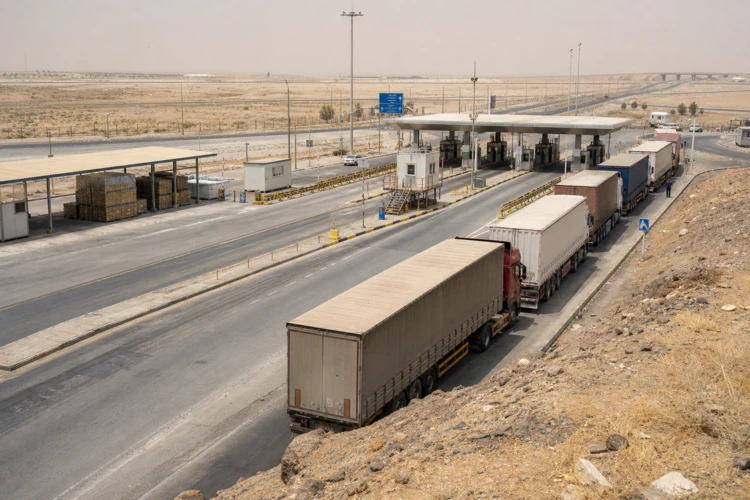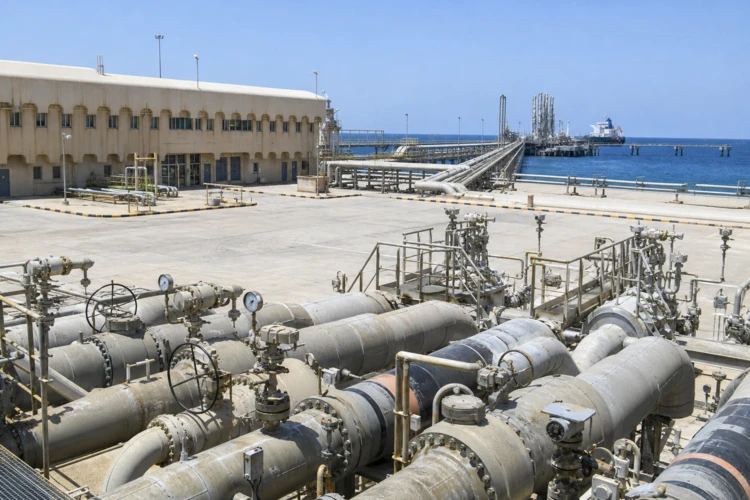
Saudi importers are navigating a fast-changing logistics map as key chokepoints on both sides of the Kingdom become less reliable. The Yemeni Houthi militia have closed the Bab al-Mandab strait, the southern entrance to the Red Sea that connects Saudi Arabia’s west coast to Asian markets, according to AGBI. At the same time, shipping is already disrupted on Saudi Arabia’s east coast because of Iran’s effective closure of the Strait of Hormuz. The combined effect is a squeeze on routing options and timing, with cost pressure building into trade flows and procurement plans.
The clearest signal is pricing into Jeddah. The price of shipping a 40-foot equivalent unit (FEU) container from China to Jeddah has more than tripled since the US-Israeli war with Iran started at the end of February, and it topped $10,000 for the first time in August, according to freight analytics company Xeneta. For import managers tracking Saudi Arabia container shipping costs, that jump matters because it can land directly in unit economics for everything from bulky goods to higher-value discretionary items. AGBI reported preliminary data from August suggesting a drop in imports, particularly among bulky and luxury goods.
Why the Red Sea Route Shock Is Changing the Math
With the Bab al-Mandab blocked and Hormuz disrupted, Saudi-destined ships coming from Asia must take a longer and more expensive route around Africa and through the Suez Canal, according to AGBI. Monica Malik, chief economist at Abu Dhabi Commercial Bank, said higher insurance and fuel prices and longer routes are adding to import costs and will add to inflationary pressures for goods. The challenge is amplified by the Kingdom’s reliance on imports for basic goods, including food products, at a moment when route choice is becoming a strategic constraint rather than a simple operational decision.
Traffic data illustrates how abruptly conditions changed after the blockade announcement. Lloyd’s List reported that vessel traffic through the Bab el Mandeb Strait fell by almost a quarter following the Houthis’ blockade. Lloyd’s List Intelligence data showed 269 vessels transited the chokepoint during the week beginning July 20, down 24% from 354 the week before the blockade was announced. Preliminary tracking for July 27 to August 2 recorded 266 transits, suggesting traffic stabilised at levels last seen in early 2026. For importers, stabilisation does not necessarily mean lower costs if longer routings and risk pricing remain embedded.
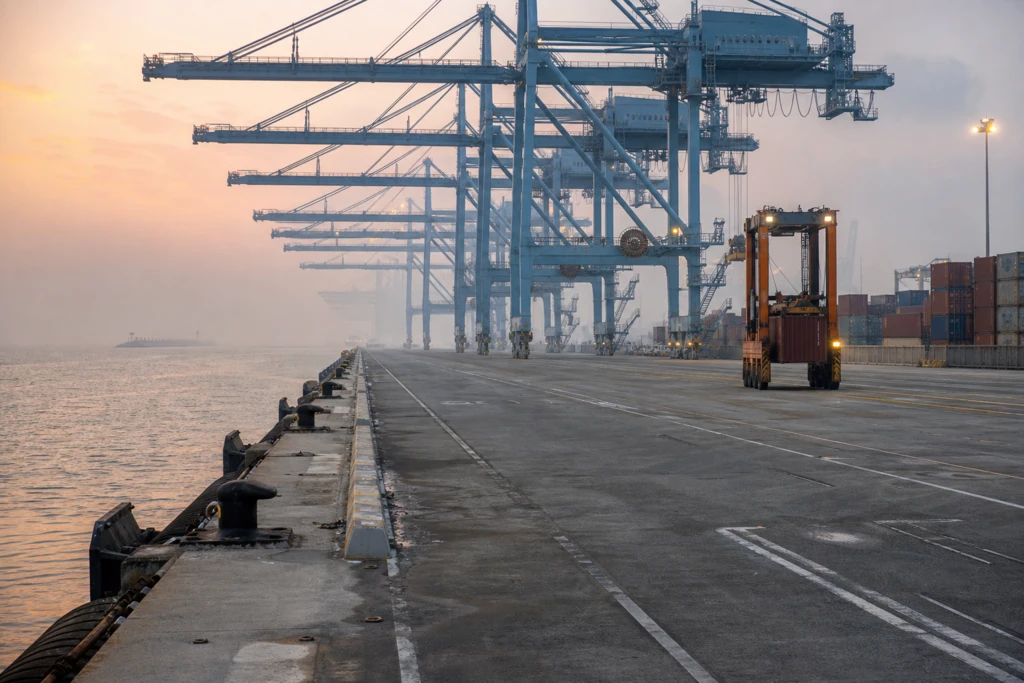
Saudi trade volumes and consumer outcomes are now the key watchpoints. Last year, the equivalent of 1.65 million FEU containers arrived at Saudi ports, according to the Saudi Ports Authority, and AGBI said that number is likely to be lower this year. Yet official statistics suggest price hikes in basic goods have not yet been passed on to consumers, with annual inflation stable since the start of the conflict at about 1.8%, according to AGBI. At a global level, container demand has shown resilience: Container Trades Statistics said global container volumes reached 98.4m teu in the first six months of 2026, up 5.2% year on year, while its Global Price Index climbed 13 points in June to 108, up 26% year on year.
What is happening to container freight rates from China to Jeddah?
How has the Houthi blockade affected Bab el Mandeb traffic?
Why are Saudi imports facing pressure from both coasts?
What do we know about Saudi Arabia container shipping costs and inflation so far?
Are there signs of changing import volumes into Saudi ports?