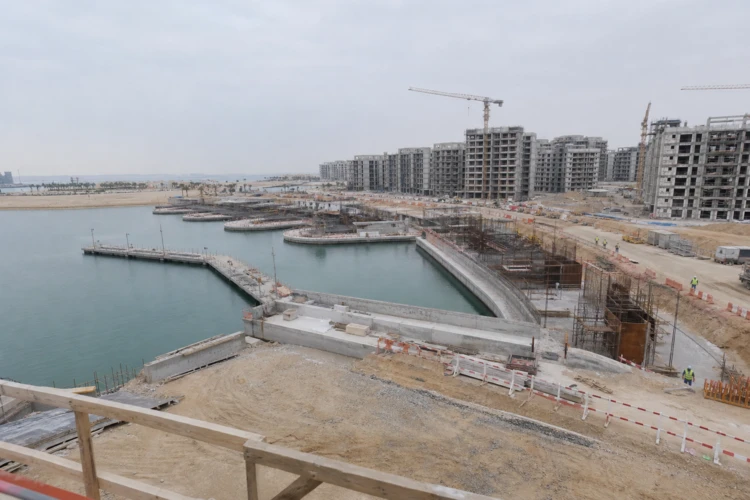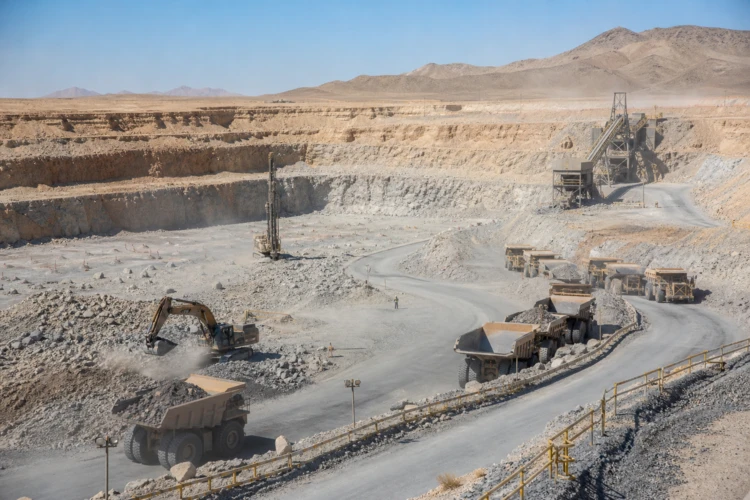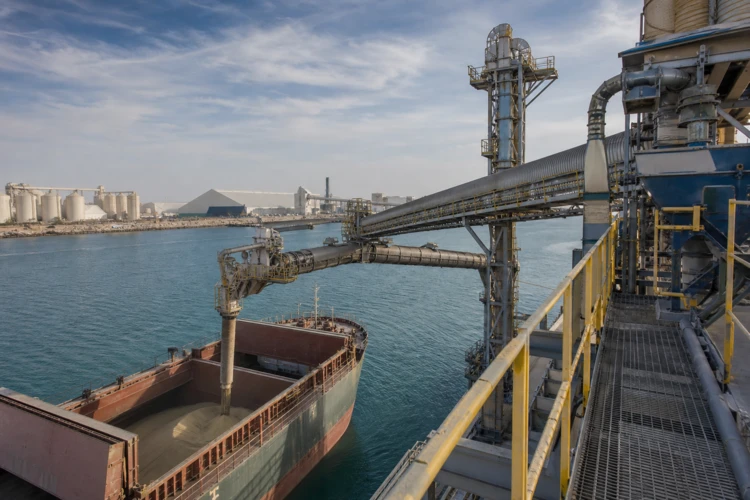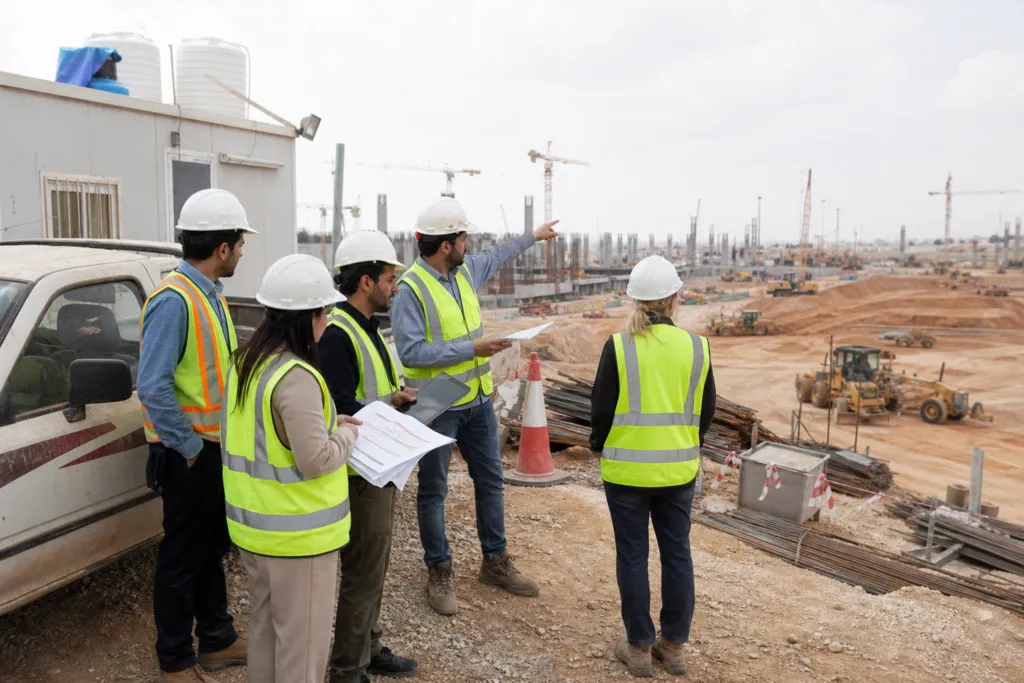
Any honest read of Saudi Arabia’s giga-projects in mid-2026 starts with scale. A 2026 catalog of Vision 2030 giga projects puts the combined estimated investment at USD 1.1–1.3 trillion and describes over 12 giga projects under the programme. In that same view, NEOM (USD 500B+) is positioned as the umbrella development, with major sub-projects including The Line (USD 200B+), Trojena, Oxagon, and Sindalah. In parallel, a benchmarking overview states the portfolio’s combined investment is estimated to exceed one trillion dollars, and frames the execution challenge as multiple mega-developments delivered on a compressed timeline.
The construction-market pulse also shows why the “status” conversation is not only about masterplans. One market outlook states that contract awards reached USD 196 billion in 2025, up 20% year-over-year, and that USD 120 billion had already been deployed across giga-projects. It also claims the PIF alone is directing USD 40 billion into NEOM, Red Sea, and Qiddiya between 2024–2026. Separately, a MEED programme update describes the market entering “a new phase” after more than USD 120bn of investment, with entities refining delivery schedules, reviewing budgets, and prioritising developments that can generate near-term economic impact.
Where the Scorecard Shows Momentum vs. Re-Phasing
Mid-2026 momentum is most visible where an operational milestone exists. The benchmarking source calls The Red Sea the most commercially conventional project and says phase one has become operational, with the first hotels receiving guests. That matters because it provides a proof point for the Kingdom’s luxury tourism proposition using real openings rather than only future projections. At the same time, multiple sources emphasize that delivery realism is part of the story: one tracker notes a “clear focus” on delivering value under Vision 2030, while also arguing investor confidence may be boosted if “more realistic versions” of projects replace earlier aspirational concepts.
On headline concepts, the most concrete “what it is” detail remains The Line’s stated physical vision rather than a confirmed completion date. A 2025–2026 overview describes The Line as a city stretching 170 kilometers, enclosed within a mirrored structure rising 500 meters into the sky. For risk context, the benchmarking page also cites studies that large infrastructure projects experience average cost overruns of 50% or more, plus significant timeline extensions; it adds that executing multiple giga-projects simultaneously amplifies execution risk and the potential impact of delays or cost escalation on the national budget and PIF resources.
Stepping back, a practical mid-2026 scorecard is less about declaring winners and more about understanding prioritisation. MEED’s update lists the programme as spanning tourism, aviation, housing, entertainment, logistics, industry, and infrastructure, and explicitly places NEOM at the centre, supported by major Vision 2030 projects including The Red Sea, Roshn, Qiddiya, New Murabba, Jeddah Central, and King Salman International Airport. It also says sectors such as tourism, aviation, logistics, artificial intelligence, pilgrimage infrastructure, and advanced manufacturing are receiving increased focus. In other words, the Saudi Arabia giga-projects status mid-2026 is best read as a shift toward sequencing and near-term impact, anchored by capital already deployed and early operational proof where it exists.
What does the Saudi Arabia giga-projects status in mid-2026 show at a high level?
How much contract activity and capital deployment is cited for 2025?
Which giga-project has an operational milestone confirmed in the sources?
What is the stated physical concept for The Line in the 2025–2026 overview?
What execution-risk benchmark is cited for large infrastructure projects?